5 Situations Where You May Need to Be Careful With Ginger
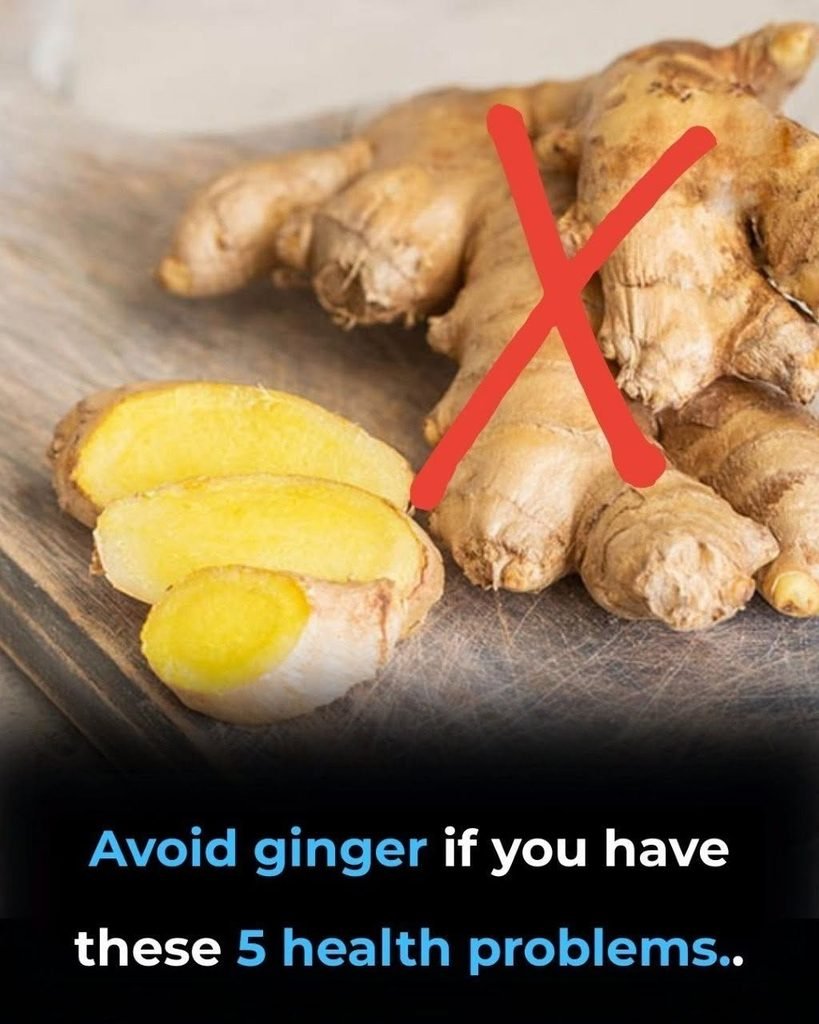
Ginger has been used for centuries as a food, spice, and traditional remedy. It is commonly added to tea, soups, sauces, smoothies, and meals, and many people use it because they enjoy its distinctive flavor or believe it helps with digestion and nausea.
However, the viral claim that everyone with certain health problems should completely avoid ginger is too broad. Ginger is generally well tolerated when consumed as a food, but concentrated ginger supplements or large amounts may not be appropriate for everyone.
If you have a medical condition or take prescription medication, it is important to consider how ginger may interact with your individual situation.
Here are five situations where extra caution may be appropriate.
1. If You Take Blood-Thinning Medication
One of the most important reasons to discuss ginger with a healthcare professional is if you take medication that affects blood clotting.
Ginger may have mild effects on platelet activity, and concentrated amounts could potentially add to the effects of certain medications that already reduce blood clotting.
This does not mean that someone taking a blood thinner can never eat ginger.
Using a small amount of fresh ginger in cooking is very different from taking concentrated ginger capsules, extracts, or large quantities every day.
If you take medication such as warfarin or another anticoagulant, don’t start a high-dose ginger supplement without discussing it with your healthcare professional.
2. If You Have a Bleeding Disorder
People who already have problems with blood clotting should also be cautious with concentrated ginger products.
The concern is mainly about situations in which the body already has difficulty forming clots or when a person is taking medication that affects clotting.
Again, ordinary culinary amounts are not necessarily equivalent to large supplemental doses.
If you have been diagnosed with a bleeding disorder, ask your healthcare professional before using ginger supplements regularly.
3. If You Are Having Surgery Soon
People preparing for surgery are often advised to tell their medical team about everything they take, including vitamins, herbs, and dietary supplements.
This is important because some supplements can interact with medications used around the time of surgery or potentially affect bleeding.
If you regularly take concentrated ginger supplements and have an upcoming procedure, tell your surgeon or medical team.
They can determine whether you should temporarily stop the supplement and when it is appropriate to resume it.
Do not make changes to prescribed medication on your own.
4. If You Have Gallstones
Ginger can affect digestion and may influence bile-related processes.
People with gallstones or certain gallbladder problems should therefore be cautious about using large amounts of ginger as a supplement.
This does not mean that eating a small amount of ginger in normal food will automatically cause a problem.
However, if ginger consistently causes abdominal pain, nausea, or discomfort, particularly if you already have a diagnosed gallbladder condition, it is worth discussing the symptoms with a healthcare professional.
Severe or persistent pain should not simply be attributed to ginger.
5. If Ginger Causes You Digestive Problems
Although ginger is often used because it may help with nausea and digestive discomfort, more is not always better.
Large amounts can cause symptoms such as:
Heartburn
Stomach discomfort
Diarrhea
Abdominal irritation
A burning sensation in the mouth or stomach
People who already experience frequent acid reflux may notice that concentrated ginger products aggravate their symptoms.
If you notice that ginger repeatedly makes you feel worse, reducing the amount or avoiding concentrated preparations may be reasonable.
What About Diabetes?
Diabetes is sometimes included on viral lists claiming that ginger should be avoided.
The situation is more complicated.
Ginger may influence blood glucose, which means people taking medication that lowers blood sugar should be cautious about adding large amounts of ginger supplements to their routine.
However, this does not mean that people with diabetes must eliminate ginger from their diet.
A small amount used to flavor food is very different from taking a concentrated supplement.
If you have diabetes and want to use ginger regularly as a supplement, discuss it with your healthcare professional so that your medication and blood glucose levels can be considered.