Amlodipine users warned ‘call 111’ for serious side effect
Amlodipine is a widely prescribed medication used to treat high blood pressure and certain types of chest pain, including angina. By relaxing blood vessels, it helps blood flow more easily and reduces the workload on the heart.
For many people, amlodipine is an effective long-term treatment. However, like all medications, it can cause side effects. Some are relatively common and manageable, while others require prompt medical attention.
Headlines warning amlodipine users to call an emergency or medical helpline can sound alarming. The important thing is to understand which symptoms require urgent attention, which side effects can be discussed at a routine appointment, and why you should never stop taking prescribed blood pressure medication without medical advice.
What Is Amlodipine?
Amlodipine belongs to a group of medicines called calcium channel blockers.
It works by relaxing the muscles in the walls of blood vessels, allowing them to widen. This helps lower blood pressure and can improve blood flow to the heart.
Doctors commonly prescribe it for:
High blood pressure.
Certain types of angina, which causes chest pain due to reduced blood flow to the heart.
Some other conditions involving coronary artery spasms.
Amlodipine is usually taken once daily, and its effects last a long time. It may take several days to achieve much of its blood-pressure-lowering effect, and the full benefit of a prescribed treatment plan may take longer to assess.
Although many people tolerate it well, knowing the possible side effects can help you recognize when something needs attention.
1. Swelling in the Ankles and Feet
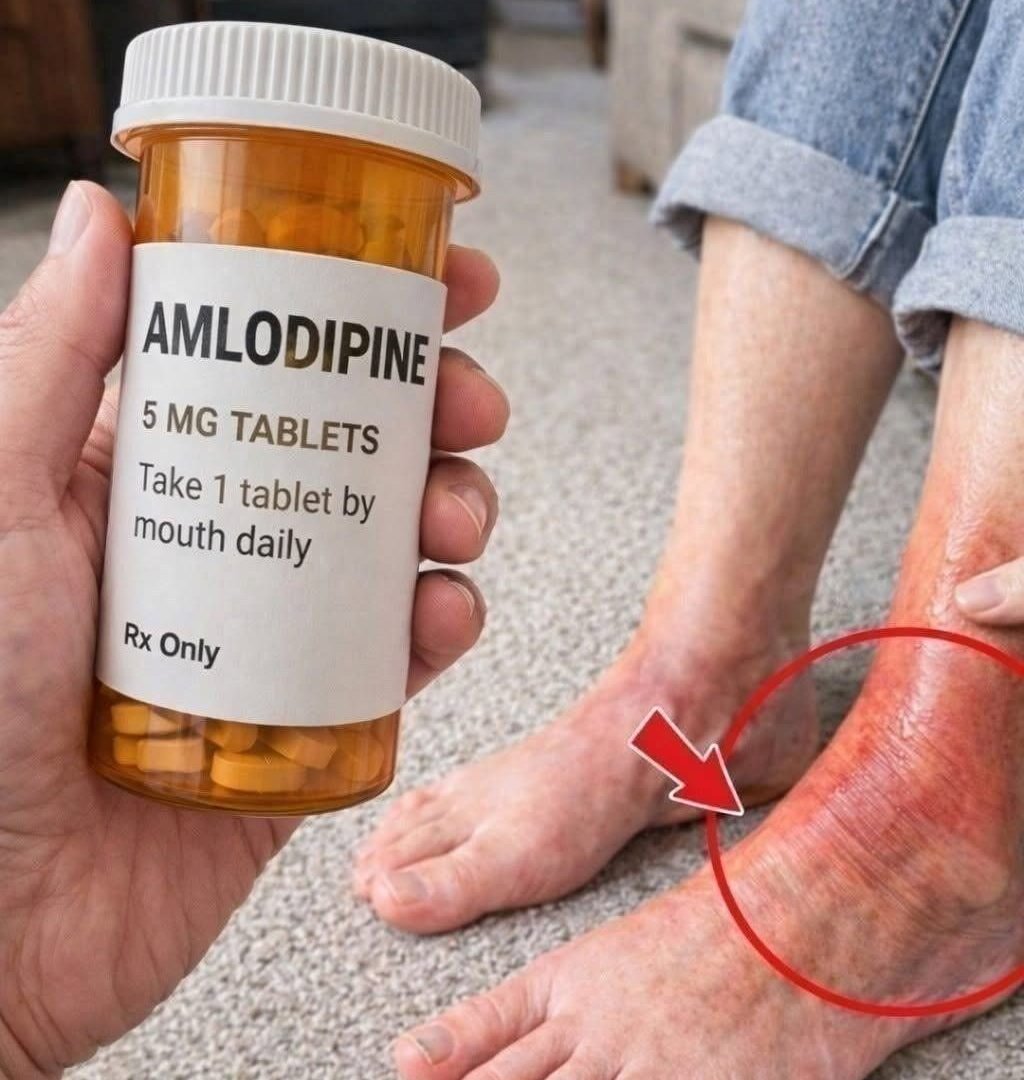
One of the most common side effects of amlodipine is swelling around the ankles and feet.
This happens because the medication relaxes small arteries, changing the pressure within the body’s small blood vessels. Fluid can then move into surrounding tissues, particularly in the lower legs.
You may notice:
Puffy ankles.
Swelling around the feet.
Sock marks that remain visible on the skin.
Shoes feeling tighter than usual.
Swelling that becomes more noticeable later in the day.
This side effect is more likely at higher doses, although it can occur at lower doses as well.
What Should You Do?
If you develop new or persistent ankle swelling, contact your healthcare professional. They may consider adjusting the dose or choosing another treatment.
Do not stop amlodipine on your own.
Seek urgent medical attention if swelling occurs with sudden shortness of breath, chest pain, or fainting. These symptoms may indicate a serious problem that should not automatically be attributed to amlodipine.