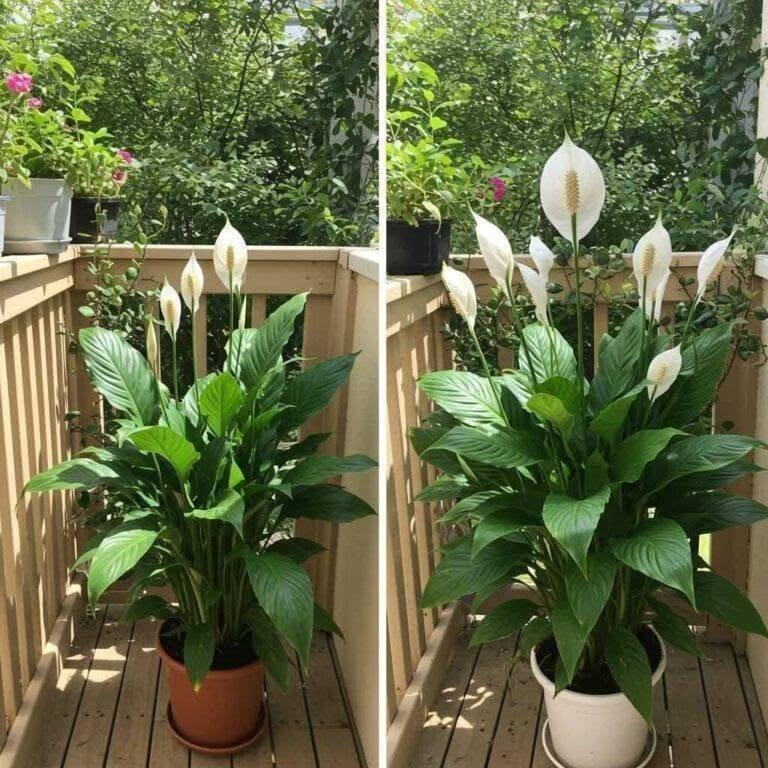
Very Leafy Orchid? The Simple Homemade Fertilizer Trick That Can Help Your Orchid Thrive
Orchids are among the most beautiful houseplants, admired for their elegant flowers, graceful stems, and glossy green leaves. When an orchid is healthy, it can brighten a room for months with its delicate blooms. However, keeping these plants healthy can sometimes feel challenging, especially when their leaves look dull, their roots begin to deteriorate, or their flowers refuse to return.
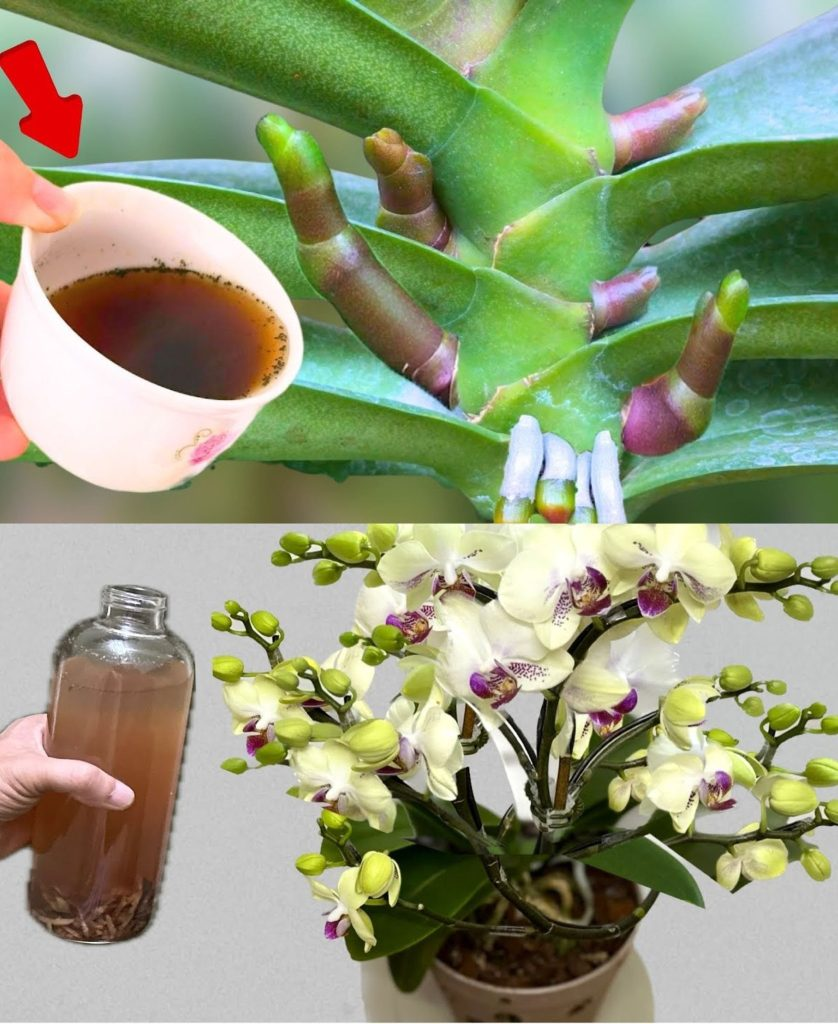
Many plant lovers search for homemade solutions that promise stronger roots, greener leaves, and more abundant flowers. One popular gardening tip involves using a homemade liquid made from ingredients commonly found in the kitchen.
Although some household ingredients can provide nutrients under certain conditions, orchids have specific growing requirements. A homemade liquid is not automatically a fertilizer, and using the wrong mixture can do more harm than good.
The good news is that you do not need an expensive collection of products to help an orchid thrive. Understanding how to water, feed, and care for your plant is usually much more important than relying on a miracle mixture.
Here is how to care for your orchid, what to know about homemade fertilizers, and which simple habits can help encourage healthy growth and beautiful blooms.
1. Why Orchids Need Special Care
Many popular indoor orchids belong to the Phalaenopsis group, commonly known as moth orchids.
In nature, these orchids often grow attached to trees rather than rooted in ordinary garden soil. Their roots are adapted to receive moisture and air from their surroundings.
This explains why they generally do best in a loose, airy growing medium rather than dense soil.
When an orchid is planted in ordinary garden soil or kept constantly wet, its roots may receive insufficient oxygen. This can cause root damage and interfere with the plant’s ability to absorb water and nutrients.
Healthy orchid roots are essential because they support the plant’s growth, help absorb moisture, and contribute to the development of leaves and flowers.
Before trying a homemade fertilizer, make sure your orchid has suitable growing conditions.
Even the best fertilizer cannot compensate for damaged roots, inadequate light, or poor watering practices.
2. Can Homemade Liquid Fertilizer Really Help Orchids?
Homemade plant feeds are popular because they appear inexpensive and easy to prepare.
Some recipes use ingredients such as rice water, banana peels, coffee grounds, tea, or other kitchen leftovers.
These ingredients may contain small amounts of nutrients or organic compounds, but their nutrient content varies considerably. The amount available to a plant also depends on how the material is prepared and how it interacts with the growing medium.
For orchids, this uncertainty can be a problem.
A homemade liquid may contain too little of an essential nutrient to make a meaningful difference. Alternatively, it may introduce organic material that decomposes in the pot, encourages microbial growth, or contributes to unwanted salt and residue accumulation.
There is also no reliable basis for claiming that a particular homemade mixture will make an orchid ten times more beautiful.
The safest approach is to provide appropriate light, watering, and a balanced orchid fertilizer used according to its label.
Homemade mixtures should not replace these fundamentals.