3 Baking Soda Recipes to Burn Belly Fat: What You Should Know Before Trying Them
Belly fat is one of the most common concerns for people trying to improve their health, feel more comfortable in their clothes, and maintain a healthy weight. Many people look for simple solutions they can prepare at home, hoping to achieve results without expensive supplements, restrictive diets, or complicated exercise routines.
One ingredient that frequently appears in online weight-loss advice is baking soda. Also known as sodium bicarbonate, this inexpensive household product is commonly used in baking, cleaning, and certain medical applications.
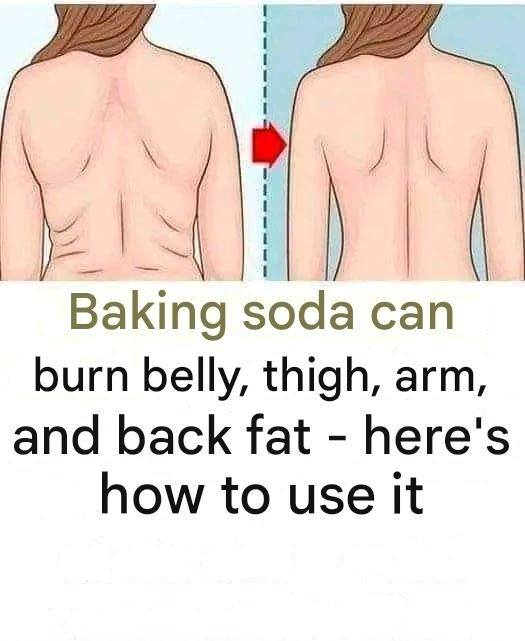
Some online claims suggest that drinking baking soda mixed with water, lemon juice, or apple cider vinegar can burn belly fat, flatten the stomach, or help remove fat from the thighs, arms, and back.
But is there scientific evidence that these mixtures work?
The short answer is no. Baking soda has not been shown to burn body fat, target belly fat, or produce meaningful weight loss. Although it has legitimate uses, drinking homemade baking soda mixtures for weight loss can cause unwanted side effects and may be dangerous in excessive amounts.
The good news is that there are safer, practical ways to support weight management without relying on unproven remedies.
In this article, we will examine three popular baking soda recipes, explain why they do not burn fat, discuss potential risks, and explore habits that can help you work toward a healthier body composition.
Understanding Belly Fat: Why Does It Accumulate?
Before discussing baking soda, it helps to understand what belly fat actually is.
Body fat serves several important purposes. It stores energy, protects organs, helps regulate temperature, and supports normal bodily functions.
However, excess body fat can accumulate when the body consistently stores more energy than it uses.
Fat around the abdomen comes in two main forms.
Subcutaneous Fat
Subcutaneous fat lies beneath the skin. It is the softer tissue you can often pinch around the stomach, waist, thighs, and arms.
Although everyone needs some body fat, excessive accumulation can affect body composition and may contribute to certain health concerns.
Visceral Fat
Visceral fat is stored deeper inside the abdominal cavity, surrounding internal organs.
Higher amounts of visceral fat are associated with an increased risk of conditions such as type 2 diabetes and cardiovascular disease.
Unlike subcutaneous fat, visceral fat cannot be directly measured by pinching the skin.
Both types of fat are influenced by a combination of factors, including genetics, age, hormones, physical activity, dietary patterns, sleep, medications, and overall energy balance.
This is why no single drink or household ingredient can reliably eliminate belly fat.