The Vintage Kitchen Tool That Has Everyone Guessing
Have you ever discovered an unusual kitchen utensil in an old family drawer and wondered what it was used for? Vintage kitchens were full of clever tools designed to make everyday cooking easier, and many of them have disappeared from modern homes.
Before electric appliances became common, people relied on simple, durable utensils to prepare meals, preserve food, and handle ingredients by hand. Some tools were designed for one very specific task, while others could be used in several different ways.
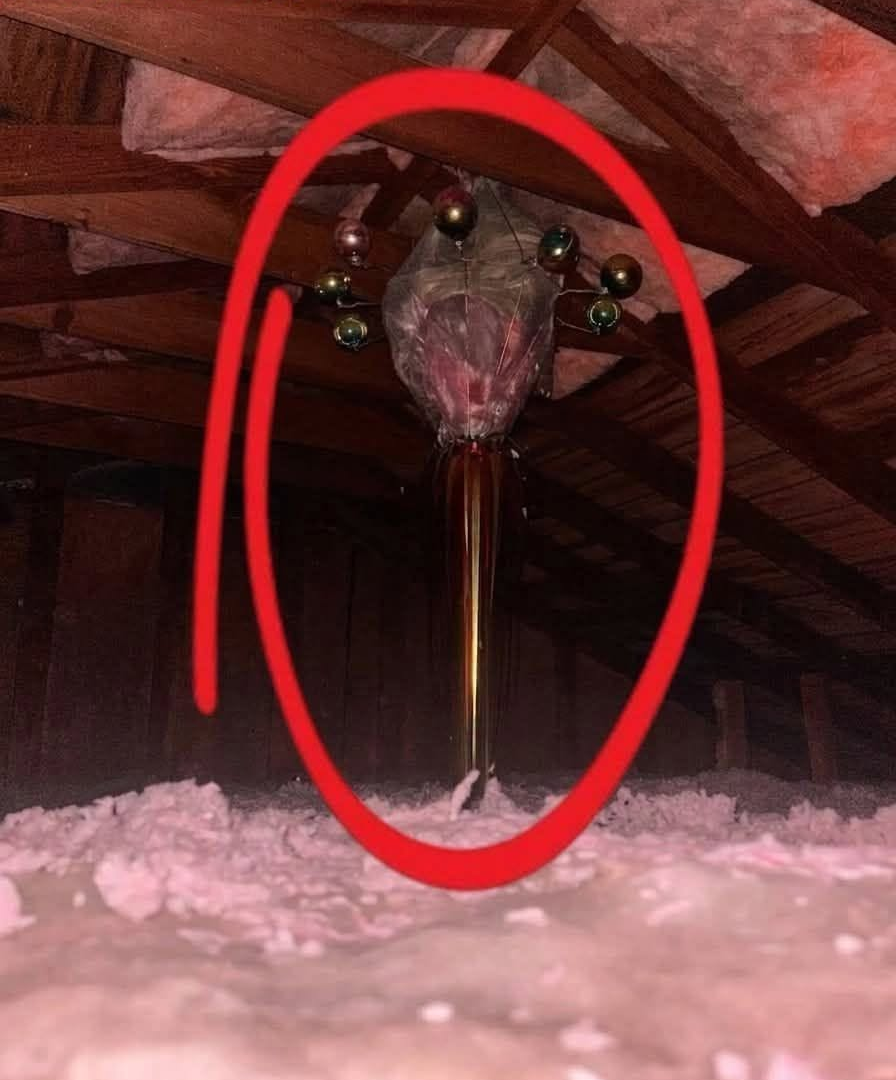
Today, these forgotten kitchen gadgets are attracting renewed attention. Vintage kitchen photographs regularly inspire conversations between generations, with older adults sharing memories of the tools they used while younger people try to identify unfamiliar objects.
Why Old-Fashioned Kitchen Tools Look So Unusual
Many traditional kitchen utensils were designed around practical needs rather than convenience features or modern styling.
A tool might have a wooden handle, a heavy metal body, or a distinctive shape that made sense only when you understood its purpose.
Some utensils were used daily, while others appeared only during particular seasons, such as harvest time, holiday baking, or food preservation.
Because many were built to last, surviving examples can still be found in antique shops, estate sales, and family kitchens.
However, identifying an old utensil from a photograph can be surprisingly difficult. Several tools may have similar shapes but serve entirely different purposes.
Forgotten Tools That Once Filled Kitchen Drawers
Here are several vintage kitchen gadgets that younger generations may not immediately recognize.
1. Manual Egg Beater
Before electric mixers became household staples, a manual egg beater was an essential kitchen tool.
It typically featured two rotating beaters connected to a hand-operated crank. Turning the handle mixed eggs, whipped cream, and other ingredients.
The design was simple, required no electricity, and could be cleaned and stored easily.
2. Potato Ricer
A potato ricer resembles a large metal press. Cooked potatoes are placed inside a chamber and pushed through small holes using a lever.
The result is a fine, fluffy potato texture that works well for mashed potatoes and certain baking recipes.
Although modern food processors can perform similar tasks, many cooks still prefer a traditional ricer because it produces a distinctive texture.