4 Types of People Who Should Be Careful When Eating Cabbage
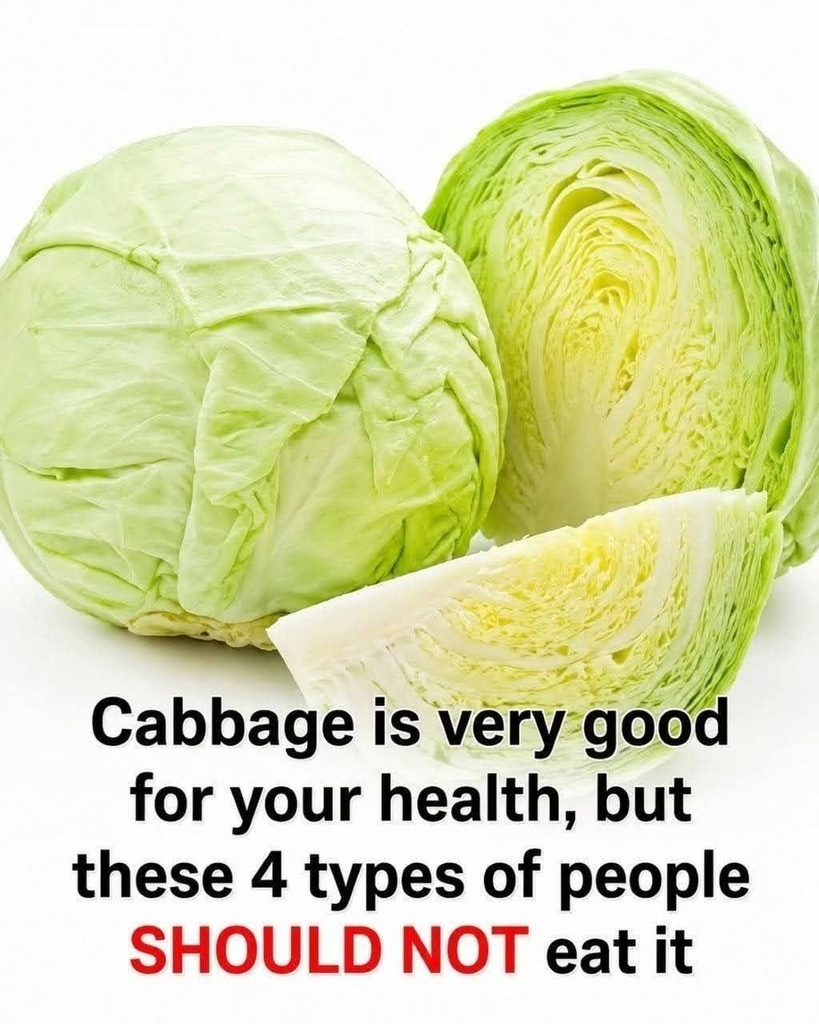
Cabbage is one of the most affordable and versatile vegetables you can add to your diet. Whether eaten raw in salads, cooked in soups, stir-fried with other vegetables, or fermented into sauerkraut, cabbage provides valuable nutrients that support overall health.
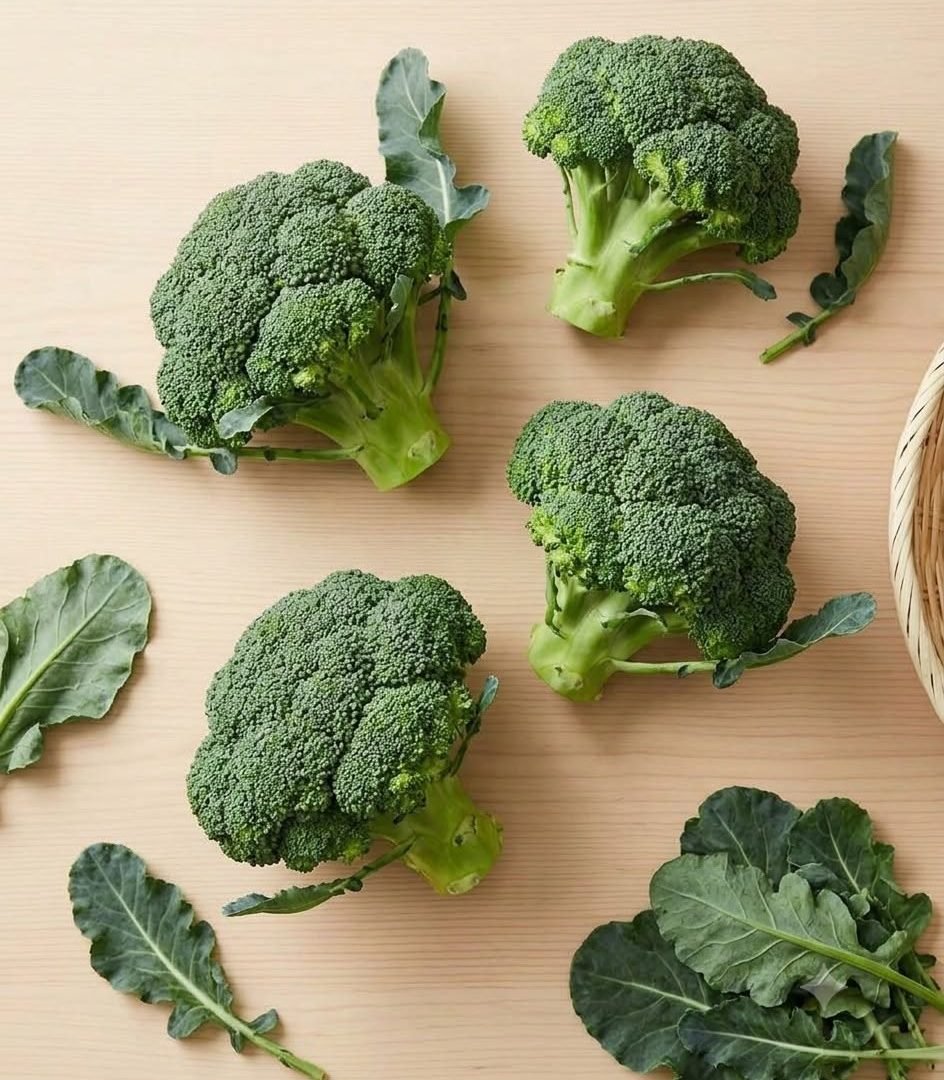
It belongs to the cruciferous vegetable family, alongside broccoli, cauliflower, Brussels sprouts, and kale. These vegetables contain fiber, vitamins, minerals, and naturally occurring plant compounds that make them useful components of a balanced diet.
Cabbage is particularly well known for its vitamin C and vitamin K content. It also provides folate and fiber while being relatively low in calories.
Despite these benefits, cabbage may not agree with everyone. Certain people may experience digestive discomfort after eating it, while others may need to consider their medication use or individual medical circumstances.
However, the claim that four specific groups of people must never eat cabbage is misleading. Most people can safely enjoy cabbage, and only certain conditions require particular precautions.
Here are four groups who may need to be more careful when including cabbage in their diets.
1. People With Irritable Bowel Syndrome or Sensitive Digestion
Cabbage can be a nutritious choice, but it may cause digestive discomfort in people who are sensitive to certain fermentable carbohydrates.
Some varieties of cabbage contain carbohydrates that can be fermented by bacteria in the large intestine. During this process, gas is produced, potentially causing bloating, abdominal discomfort, or excessive flatulence.
People with irritable bowel syndrome (IBS) may be particularly sensitive to these effects.
Symptoms vary from person to person. One individual may eat cabbage without any problems, while another may experience uncomfortable bloating after a relatively small serving.