They call it natural morphine because it removes muscle, joint, rheumatic pain. Recipe is in commentTo keep getting my recipes, you just have to say… Thank youThey call it natural morphine because it removes muscle, joint, rheumatic pain. Recipe is in comment
When muscle aches, stiff joints, and everyday discomfort become part of your routine, it is natural to look for simple ways to feel better. Many people turn to traditional homemade meals, warm soups, and nutrient-rich vegetables for comfort and nourishment.
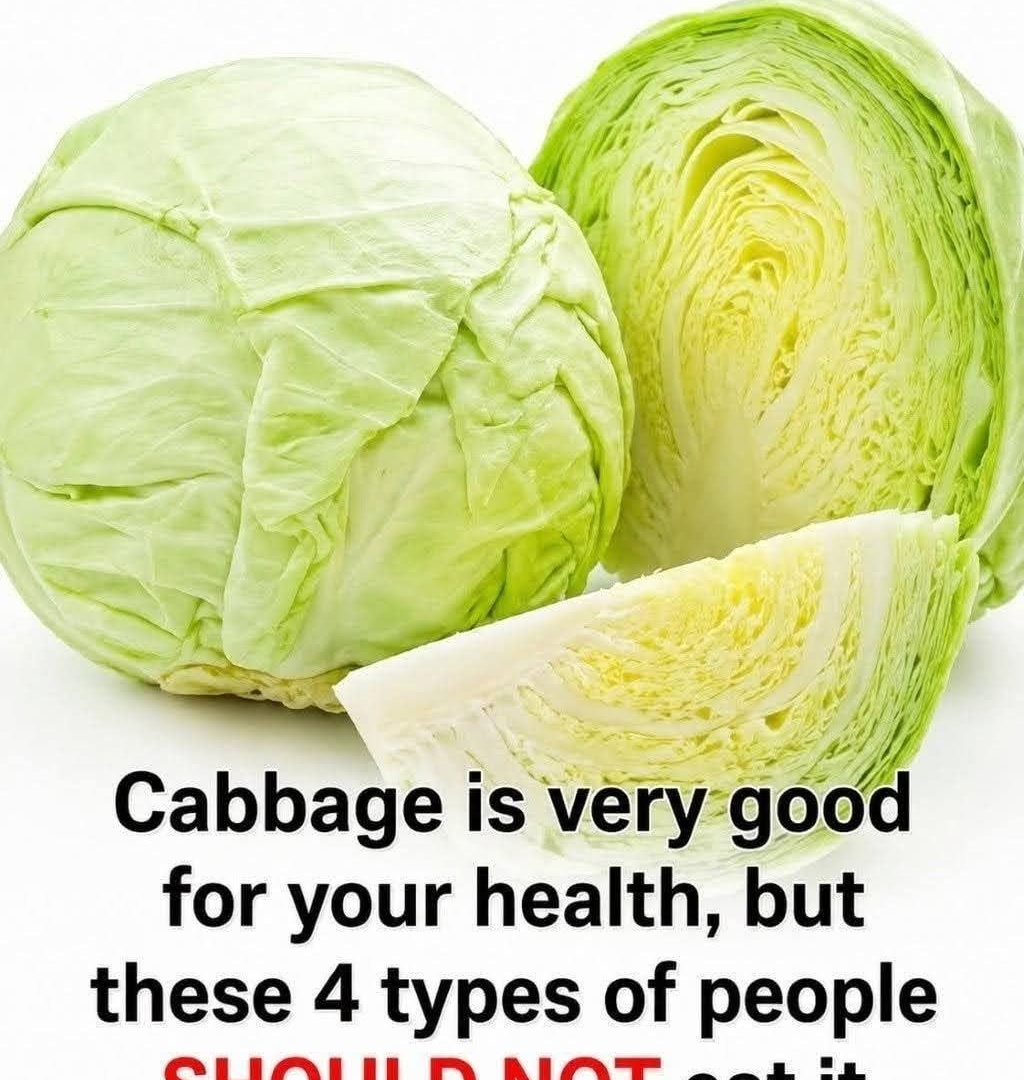
One recipe that has attracted attention is a hearty cabbage soup made with ground meat, carrots, onions, and a flavorful broth. Some people affectionately call it “natural morphine” because they believe it helps relieve muscle pain, joint discomfort, and rheumatic symptoms.
But is cabbage really a natural painkiller?
Although cabbage contains several beneficial nutrients and plant compounds, there is no scientific evidence that eating cabbage soup works like morphine or eliminates arthritis and rheumatic pain. Nevertheless, this comforting homemade soup can be a nutritious addition to a balanced diet.
It provides vegetables, protein, hydration, and warmth in one satisfying meal. It is also affordable, easy to prepare, and suitable for family dinners.
Let’s explore the nutritional benefits of cabbage and discover how to prepare this delicious homemade soup.
Why Is Cabbage Considered Such a Healthy Vegetable?
Cabbage is one of the most affordable and versatile vegetables available. It belongs to the cruciferous vegetable family, alongside broccoli, cauliflower, Brussels sprouts, and kale.
Despite its simple appearance, cabbage contains several nutrients that contribute to normal bodily functions.
Some of its nutritional components include:
Vitamin C.
Vitamin K.
Folate.
Vitamin B6.
Dietary fiber.
Potassium.
Small amounts of calcium and magnesium.
Naturally occurring antioxidant compounds.
Vitamin C supports normal immune function and collagen production. Collagen is an important structural protein found in cartilage, skin, bones, and connective tissues.
Vitamin K contributes to normal blood clotting and bone health.
Dietary fiber supports digestion and helps maintain regular bowel movements.
Cabbage also contains glucosinolates, natural plant compounds that have been investigated for their potential biological effects.
These nutrients make cabbage a valuable part of a varied diet, but they do not make it a medication for pain.
1. Cabbage Contains Compounds That Support a Healthy Diet