10 Early Signs of Dementia You Should Never Ignore
A subtle change that families sometimes overlook is losing interest in activities that previously mattered.
Someone who loved gardening may stop gardening.
A person who enjoyed meeting friends may begin avoiding social gatherings.
Someone who regularly cooked may suddenly stop preparing meals.
This isn’t automatically dementia.
Depression, grief, chronic pain, fatigue, sleep problems, loneliness, medication side effects, and other health conditions can all cause withdrawal.
However, when loss of interest occurs alongside memory problems, confusion, communication difficulties, or changes in judgment, it deserves further evaluation.
What About Sleeping Problems?
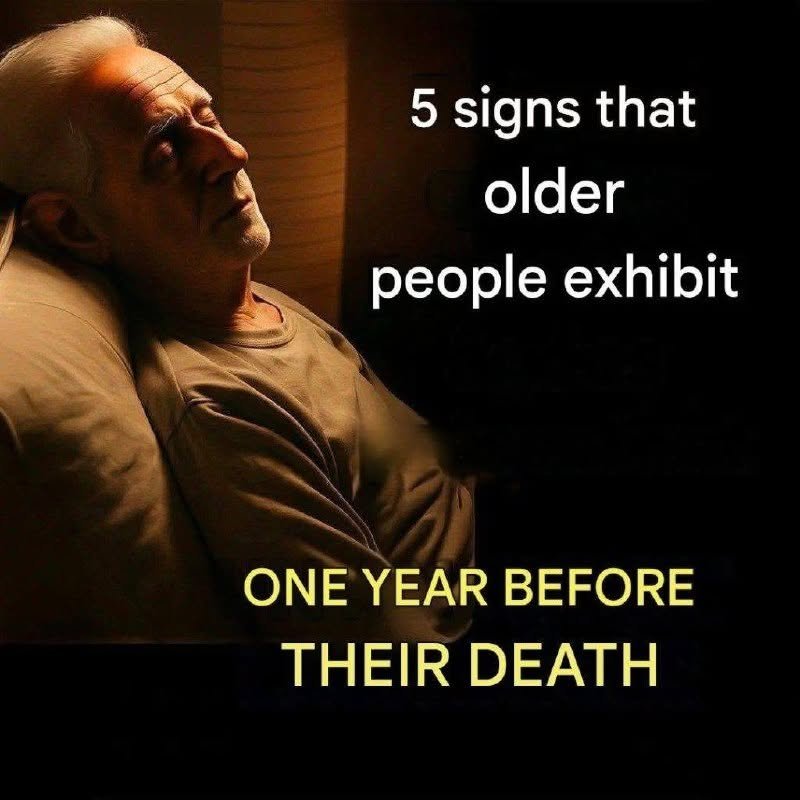
The image accompanying the viral claim shows a person sleeping, which may suggest that sleeping with an arm in a certain position is an early sign of dementia.
That interpretation should be treated cautiously.
Sleeping in an unusual position, waking during the night, occasionally forgetting something after poor sleep, or feeling tired during the day does not by itself mean dementia.
Sleep problems are extremely common and can themselves affect concentration and memory.
Poor sleep can make someone temporarily more forgetful, distracted, irritable, or mentally slow.
Some sleep disorders can also affect cognitive function.
Therefore, if someone develops persistent sleep problems together with memory or thinking difficulties, both issues should be discussed with a healthcare professional.
What About Headaches or Stomach Problems?
The image also shows an illustration of the head and a person holding her abdomen.
Neither a headache nor ordinary stomach discomfort is, by itself, a reliable early sign of dementia.
Headaches have an enormous number of possible causes.
So do abdominal symptoms.
They should not be used as a home test for dementia.
If a person has a new, severe, or unusual headache—particularly one that begins suddenly or occurs with weakness, confusion, vision problems, difficulty speaking, or loss of consciousness—that is a different situation and requires urgent medical attention.
Likewise, persistent or severe abdominal pain deserves appropriate medical evaluation rather than being attributed to dementia.
What About Tingling or Changes in the Arms?
The lower-right image shows changes on the arm.
Tingling, numbness, pain, or changes in skin appearance aren’t automatically signs of dementia.
They can occur because of nerve compression, circulation problems, vitamin deficiencies, diabetes, medications, injuries, or many other conditions.
However, sudden weakness or numbness of an arm, especially on one side of the body, can be a warning sign of stroke.
If that happens suddenly—particularly together with facial drooping, difficulty speaking, confusion, vision problems, or trouble walking—emergency medical attention is required.
This is an important distinction: dementia generally develops gradually, whereas stroke symptoms can appear suddenly.
Dementia Is Not a Normal Part of Aging
One of the most important points to understand is that dementia should not simply be dismissed as “getting old.”
Normal aging can include occasional forgetfulness.
You might forget someone’s name and remember it later.
You might misplace your glasses.
You might walk into a room and temporarily forget why you went there.
These experiences can happen without dementia.
The difference is that dementia causes cognitive difficulties significant enough to interfere with everyday functioning.
A person may gradually lose the ability to manage finances, cook familiar meals, navigate familiar locations, communicate effectively, or perform other activities they previously handled independently.
Many Conditions Can Look Like Dementia
Another reason not to diagnose dementia based on a social-media checklist is that cognitive problems have many possible causes.
Memory and concentration can be affected by:
Depression
Poor sleep
Certain medications
Alcohol
Vitamin deficiencies
Thyroid problems
Infections
Metabolic problems
Hearing or vision problems
Stroke
Other neurological disorders
Severe stress
Certain medical conditions
Some of these problems may improve when the underlying cause is treated.
That’s why a medical evaluation is much more useful than trying to diagnose someone from an online image.
When Should You Talk to a Doctor?
Consider arranging a medical appointment if you notice a persistent change in yourself or someone close to you, especially if the change affects daily life.
Examples include:
Repeatedly asking the same questions
Frequently forgetting recent conversations
Getting lost in familiar places
Difficulty managing money
Increasing trouble preparing meals
Problems following familiar instructions
Significant changes in language
Noticeable personality changes
Difficulty performing familiar tasks
Increasing confusion about dates or locations
It’s helpful to write down what you’ve noticed.
Include:
When did it begin?
How often does it happen?
Is it becoming more frequent?
Does it interfere with everyday activities?
Were there any medication changes or illnesses around the same time?
This information can help a healthcare professional understand the pattern.
What Happens During an Evaluation?
A doctor may ask about memory, thinking, mood, medications, sleep, medical history, and changes in daily functioning.
Depending on the situation, the evaluation may include cognitive testing, a physical or neurological examination, and laboratory tests.
Sometimes brain imaging or referral to a specialist is appropriate.
The purpose isn’t simply to give someone a dementia label.
The goal is to determine what is actually causing the symptoms.
Early evaluation can also help families understand what support may be needed and whether there are treatable contributors to the symptoms.
Don’t Wait for Severe Symptoms
One common mistake is waiting until someone can no longer take care of themselves.
Early changes deserve attention precisely because they may provide an opportunity to investigate the cause while the person can still describe what’s happening and participate in decisions.
If you notice a gradual pattern of cognitive change, don’t panic—but don’t automatically dismiss it either.
A conversation with a healthcare professional is a much better next step than relying on a viral checklist.
Final Takeaway
There is no single symptom that proves a person has dementia.
The most meaningful warning signs tend to involve persistent changes in memory, thinking, language, judgment, behavior, orientation, and the ability to perform familiar everyday activities.
Occasional forgetfulness is normal.
Progressive difficulty functioning is different.
And symptoms such as sleeping in a particular position, an ordinary headache, stomach discomfort, or arm discomfort should not be presented as definitive signs of dementia simply because they appear in a viral graphic.
If you or someone you love is experiencing noticeable changes in memory or thinking, the safest approach is to have those changes evaluated. Dementia is not a normal part of aging, and cognitive problems can have many possible causes—including some that can be treated.
Most importantly, don’t let an alarming headline frighten you into diagnosing yourself or someone else. Look for persistent patterns, changes from a person’s usual abilities, and interference with everyday life—and seek appropriate medical advice when those changes appear.