Constipation: 3 Natural Remedies That May Help Make Bowel Movements Easier
Constipation is one of the most common digestive problems. It can leave you feeling bloated, uncomfortable, heavy, and frustrated, especially when bowel movements become difficult or happen less often than usual.
Fortunately, many mild cases of constipation can improve with simple changes to your diet, hydration, and daily routine.
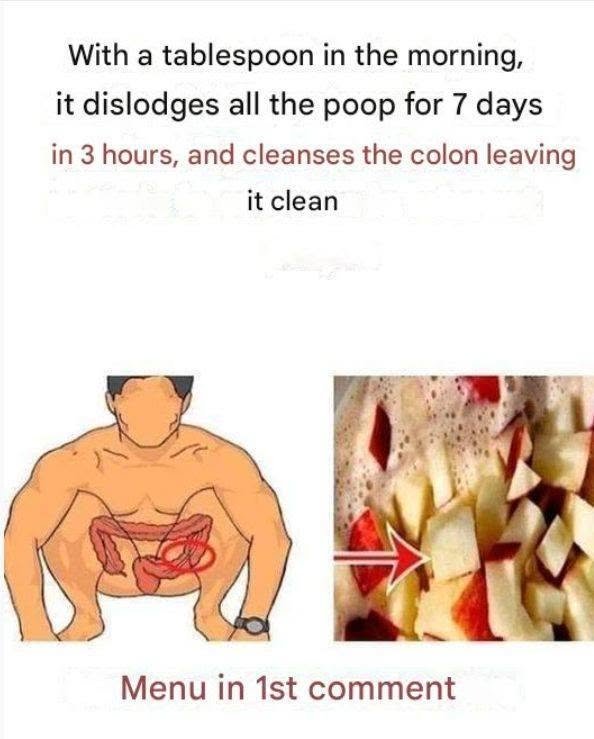
However, there is an important point to understand: your colon does not need to be “cleansed” of seven days of old stool with one tablespoon of a special ingredient. The digestive system naturally moves waste through the intestines, and dramatic claims about completely cleaning the colon within a few hours are not medically realistic.
Instead of looking for a powerful “detox,” focus on habits that help your digestive system work normally.
Here are three natural approaches that can help.
1. Increase Your Fiber Gradually
Fiber is one of the most important nutrients for maintaining regular bowel movements.
There are two main types of dietary fiber: soluble and insoluble.
Soluble fiber absorbs water and forms a softer, gel-like material in the digestive tract. Insoluble fiber adds bulk to stool and helps food move through the digestive system.
Good sources include:
Oats
Beans
Lentils
Apples
Pears
Berries
Vegetables
Whole-grain bread
Brown rice
Chia seeds
Flaxseeds
Nuts
If your current diet contains very little fiber, don’t suddenly add huge amounts.
Increasing fiber too quickly can cause gas, bloating, and abdominal discomfort.
Instead, increase it gradually over several days while drinking enough fluids.
Why Fiber Helps
When stool becomes hard and dry, passing it can become difficult.
Fiber can help increase stool bulk and, depending on the type, retain water in the digestive tract.
This can make stools softer and easier to pass.
But fiber works best when you also consume adequate fluids.
A person who dramatically increases fiber while drinking very little may actually feel more bloated or uncomfortable.
2. Drink Enough Fluids
Water plays an important role in normal digestion.
If you are dehydrated, your stool can become harder and more difficult to pass.
Drinking enough fluid throughout the day can help support normal bowel function, particularly when combined with a fiber-rich diet.
Water doesn’t need to be consumed all at once.
Instead, drink regularly throughout the day according to your thirst and individual needs.
Some people enjoy warm water in the morning because it becomes part of their morning routine. The warmth itself isn’t a magical colon cleanser, but establishing a consistent hydration habit can be useful.
You can also obtain some fluid from foods such as:
Cucumbers
Watermelon
Oranges
Soups
Tomatoes
Melons
Other fruits and vegetables
People who have been medically advised to restrict fluids should follow their healthcare professional’s instructions rather than deliberately increasing their fluid intake.
3. Eat Foods That Naturally Support Regularity
Certain foods are particularly useful when constipation is a problem.
One well-known example is prunes.
Prunes contain fiber and naturally occurring compounds that can help promote bowel movements. Prune juice may also help some people.
Other foods that may support regularity include kiwi, pears, apples, berries, oats, beans, lentils, and vegetables.
Try a Simple Breakfast
A constipation-friendly breakfast could include:
Oatmeal
Chopped fruit
A small amount of ground flaxseed
Plain yogurt
Water
This provides a combination of fiber, fluids, and other nutrients.
Another simple option is whole-grain toast with fruit and a glass of water.
The goal isn’t to find one magical food.
The goal is to create a diet that consistently provides enough fiber and fluids.
What About the “One Tablespoon” Trick?
The image associated with this topic claims that taking a tablespoon of a particular mixture can remove several days of stool within a few hours and completely clean the colon.
Claims like this should be approached carefully.
The digestive system does not normally store a layer of waste that needs to be scraped or washed away.
Your intestines are constantly moving digestive contents forward.
If you are constipated, the goal is to restore normal bowel function—not to aggressively “clean” the colon.
Very strong laxative effects can cause diarrhea, abdominal cramps, dehydration, and electrolyte disturbances.
A natural ingredient can still have powerful effects, and “natural” does not automatically mean harmless.
Movement Can Also Help
Your digestive system responds to your overall physical activity.
Long periods of sitting can contribute to sluggish bowel habits in some people.
Regular movement can help support normal intestinal activity.
You don’t necessarily need an intense workout.
Simple activities can include:
Walking
Gentle stretching
Cycling
Light exercise
Household activities
Taking regular breaks from sitting
A short walk after a meal can be an easy habit to incorporate into your routine.
Don’t Ignore the Urge to Go
Another simple habit is responding to your body’s natural signals.