The Five Drinks That Can Be Most Harmful to Your Bones, According to Health Experts
Your bones may seem strong and unchanging, but they are living tissue that is constantly being broken down and rebuilt. Throughout life, your body continuously replaces old bone with new bone. Maintaining this balance requires adequate calcium, vitamin D, protein, magnesium, and other nutrients, along with regular physical activity.
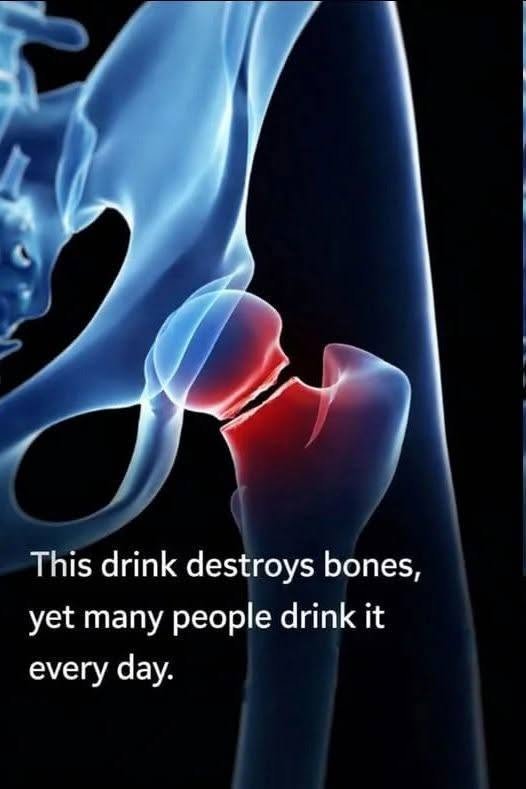
What you drink can also influence your bone health. Some beverages provide valuable nutrients, while others can contribute to habits that make it more difficult for the body to maintain strong bones. However, it is important to understand that a single drink does not simply “destroy” your bones. Bone health is affected by your overall diet, lifestyle, age, hormones, physical activity, genetics, smoking, alcohol consumption, and nutrient intake.
Here are five types of drinks that deserve particular attention if you want to protect your bones as you get older.
1. Sugary Soft Drinks and Sodas
Regular soft drinks are among the beverages that deserve the most attention when it comes to long-term bone health.
Colas and other sweetened sodas can contain large amounts of added sugar while providing very little calcium, vitamin D, protein, or other nutrients that support healthy bones. Drinking them frequently can make it easier to replace more nutritious beverages with drinks that provide calories without many essential nutrients.
The concern becomes greater when someone regularly chooses soda instead of milk, fortified plant-based beverages, or water and also has a diet that is low in calcium and vitamin D.
There has also been considerable discussion about phosphoric acid in cola drinks and whether it directly weakens bones. The relationship is more complicated than social media posts often suggest. Research does not support the simple claim that drinking cola automatically “dissolves” or destroys bones. Instead, frequent soda consumption may be associated with lower bone health for several reasons, including overall dietary patterns and the fact that people consuming large amounts of soda may consume fewer nutrient-rich foods and beverages.
Another concern is sugar.
A diet consistently high in added sugars can contribute to weight gain and other metabolic problems. Excess body weight does not automatically mean weak bones, but poor overall diet quality can make it harder to obtain the nutrients required for maintaining the skeleton.
If you enjoy soda occasionally, there is no reason to panic. The bigger concern is making sugary soft drinks a daily habit and allowing them to replace healthier choices.