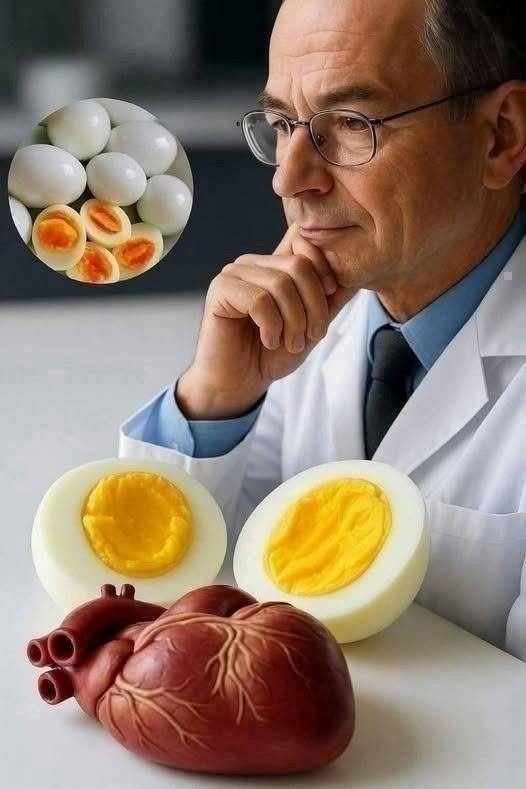
What Happens When You Eat Eggs in the Morning? The Real Effects of a Breakfast Staple
Eggs have been part of breakfast traditions for generations, yet social media frequently presents them with dramatic warnings. Headlines such as “Doctors reveal that eating eggs in the morning causes…” can make a simple breakfast seem dangerous.
The reality is more balanced.
For most healthy people, eating eggs in the morning can be part of a nutritious diet. Eggs provide high-quality protein, several vitamins and minerals, and useful nutrients such as choline. At the same time, the way eggs are prepared, the amount eaten, and the rest of the diet all matter.
Eggs are not automatically harmful because they are eaten in the morning, and there is no general rule saying that people should avoid eggs at breakfast.
Eggs Are a Nutrient-Dense Food
A whole egg contains a combination of protein, fat, vitamins, minerals, and other compounds.
The egg white is particularly rich in protein, while the yolk contains many of the egg’s vitamins, minerals, fats, and choline.
Eggs provide nutrients including:
Protein
Vitamin B12
Riboflavin
Selenium
Choline
Iodine
Vitamin A
Vitamin D in smaller amounts
Folate
Phosphorus
The exact nutritional content varies depending on the size of the egg and other factors.
Because eggs contain several nutrients in a relatively small package, they can be a convenient component of breakfast.
Eating Eggs in the Morning Does Not Automatically Cause Heart Disease
One of the most common claims about eggs is that eating them causes heart disease because of their cholesterol content.
Egg yolks do contain dietary cholesterol.
However, the relationship between dietary cholesterol, blood cholesterol, and cardiovascular disease is more complicated than the old idea that “eating cholesterol directly raises your blood cholesterol by the same amount.”
For many people, the overall dietary pattern matters more than one individual food.
Saturated fat intake, overall calorie intake, body weight, physical activity, smoking, blood pressure, diabetes, genetics, and other factors can influence cardiovascular risk.
This doesn’t mean people with high cholesterol should automatically eat unlimited eggs.
It means eggs need to be considered within the context of the person’s entire diet and health situation.
The Way You Cook Eggs Matters
An egg itself is only one part of the breakfast.
Consider the difference between:
Boiled eggs with vegetables and whole-grain toast
and
Eggs fried in a large amount of butter with processed meat and a high-sodium side dish.
Both meals contain eggs, but their overall nutritional profiles can be very different.
Eggs can be prepared in many ways:
Boiled
Poached
Scrambled
Baked
Steamed
Fried
Used in an omelet
The additional ingredients can substantially change the amount of calories, saturated fat, sodium, and other nutrients in the meal.
Eggs Can Help You Feel Full
Protein is one of the nutrients that can contribute to feelings of fullness after eating.
Because eggs provide high-quality protein, including them in breakfast may help some people feel satisfied for longer.
This can be useful for people who find themselves hungry soon after eating a breakfast based mainly on refined carbohydrates.
For example, a breakfast containing eggs, vegetables, and whole grains may be more filling than a breakfast consisting primarily of a sugary pastry.
However, eggs are not a magical weight-loss food.
Eating eggs doesn’t automatically cause body fat to disappear.
Weight management depends on the overall balance of food intake, physical activity, metabolism, sleep, medications, health conditions, and other factors.
Eggs Provide High-Quality Protein
Protein is important for maintaining muscles, repairing tissues, producing enzymes and hormones, and supporting many other functions.
This becomes particularly important as people get older because maintaining muscle mass can become more challenging.
Including protein-rich foods throughout the day can help support an adequate protein intake.
Eggs are one convenient source.
They can be combined with other protein-containing foods such as yogurt, beans, fish, poultry, or legumes depending on individual dietary preferences.
Eggs Contain Choline
One nutrient that doesn’t receive as much attention as protein is choline.
Choline is an essential nutrient involved in several important processes in the body.
It contributes to normal cell structure and function and is involved in the production of acetylcholine, a neurotransmitter.
The liver also uses choline in normal lipid transport and metabolism.
Egg yolks are one of the more concentrated dietary sources of choline.
This is one reason why eating the whole egg can provide nutritional advantages compared with eating only the egg white.
What About the Egg Yolk?
Some people remove the yolk because they believe it is unhealthy.
The yolk does contain most of the egg’s dietary cholesterol and a substantial portion of its fat.
But it also contains many of the egg’s nutrients.
The yolk provides choline and several vitamins and minerals that are present in much smaller quantities in the white.
For many healthy people, there is no nutritional requirement to eliminate egg yolks entirely.
People with specific medical conditions or individualized dietary recommendations may have different needs.
Eggs and Blood Sugar
Plain eggs contain very little carbohydrate.
This means they generally have little direct effect on blood glucose compared with carbohydrate-rich breakfast foods.
However, what you eat alongside the eggs matters.
An egg served with vegetables and a high-fiber whole-grain food is different from eggs served with large quantities of refined carbohydrates and sugary foods.
For people managing diabetes, the entire meal and overall dietary pattern are important.
Eggs can fit into many diabetes-friendly meal patterns, but they don’t replace appropriate diabetes treatment.
Eggs Don’t “Clean” the Arteries
Another exaggerated claim sometimes associated with eggs is that certain preparations can clean or unclog arteries.
That’s not how cardiovascular disease works.
Atherosclerosis involves complex changes within blood vessel walls, including the accumulation of cholesterol-containing material and inflammatory processes.
No breakfast food can simply scrub plaque out of arteries.
A heart-healthy eating pattern can help manage cardiovascular risk, but it works as part of a broader lifestyle rather than through one special food.
What About Eating Eggs Every Day?
Whether someone should eat eggs every day depends on their overall diet and individual health circumstances.
For many healthy people, eggs can be included regularly as part of a varied diet.
But eating eggs every day doesn’t mean that the rest of the diet becomes irrelevant.
If someone eats eggs while also consuming large amounts of processed meats, butter, fried foods, refined carbohydrates, and highly processed snacks, the eggs aren’t the only factor worth considering.
On the other hand, eggs paired with vegetables, whole grains, legumes, fruit, and other minimally processed foods can fit comfortably into a nutritious diet.