Doctors Explain What Happens When You Eat Hard-Boiled Eggs Regularly
Hard-boiled eggs are one of the simplest foods you can prepare. They require only a few minutes of cooking, are easy to store, and can be added to breakfast, salads, sandwiches, or eaten as a quick snack.
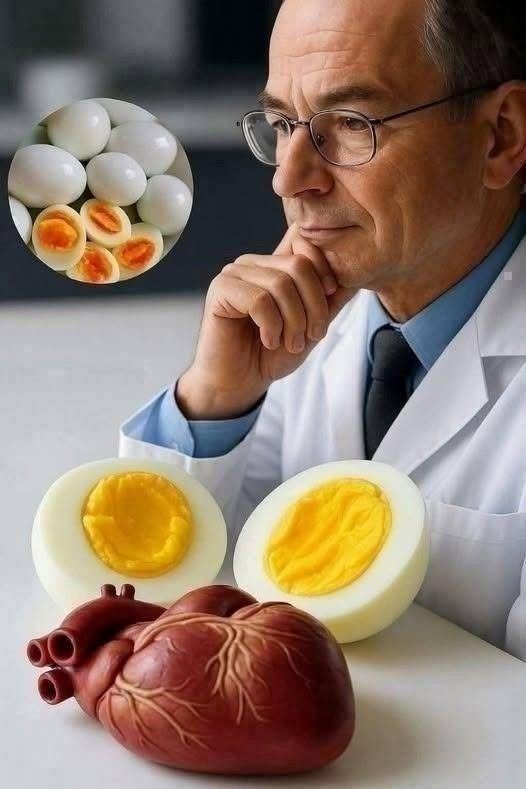
For years, eggs were surrounded by controversy because of their cholesterol content. Many people were told that eating eggs could automatically increase cholesterol and damage the heart. Today, the picture is more complicated. Research suggests that moderate egg consumption can fit into a healthy eating pattern for many healthy adults, while people with certain conditions may need more individualized dietary advice. (professional.heart.org)
So what actually happens when you include hard-boiled eggs in your diet?
The answer has less to do with a magical effect from boiling eggs and more to do with the nutrients eggs provide and the overall diet in which they are eaten.
What Is a Hard-Boiled Egg?
A hard-boiled egg is simply an egg cooked in its shell until both the white and yolk are firm.
Unlike fried eggs, hard-boiled eggs don’t require butter or cooking oil. That makes them a convenient option when you want a simple source of protein without adding extra cooking fats.
A typical large egg provides protein and several important nutrients, including choline, vitamin B12, vitamin A, biotin, and other micronutrients. Egg yolks also contain lutein and zeaxanthin, compounds associated with eye health. (The Nutrition Source)
The yolk also contains most of the egg’s cholesterol.
That is where much of the confusion about eggs comes from.
1. Eggs Provide High-Quality Protein
One of the biggest nutritional advantages of eggs is their protein content.
Protein is needed for many functions throughout the body, including maintaining and repairing tissues.
A hard-boiled egg can therefore be a convenient addition to a meal when you want to increase your protein intake.
For breakfast, you could combine eggs with:
Whole-grain toast
Tomatoes
Cucumber
Avocado
Fruit
Plain yogurt
Oatmeal
Instead of thinking about one food as a complete meal, it’s generally more useful to consider how different foods work together.
2. Eggs Contain Choline
Eggs are a useful dietary source of choline, an essential nutrient involved in several important functions in the body.
Choline is involved in cell structure, nervous-system function, and other biological processes.
Because eggs are easy to prepare and widely available, they can be a practical way to include choline in the diet.
The amount of choline you need depends on factors such as age and sex, so individual nutritional requirements vary.
3. Eggs Contain Important Vitamins and Minerals
Eggs aren’t simply protein and cholesterol.
They also provide a variety of vitamins and minerals.
Depending on the egg and the hen’s diet, eggs can provide nutrients such as:
Vitamin A
Vitamin B12
Riboflavin
Biotin
Selenium
Choline
Protein
The nutritional profile makes eggs a versatile food that can fit into many different eating patterns. (The Nutrition Source)
4. Eggs and Eye Health
The egg yolk contains lutein and zeaxanthin, two carotenoids that are concentrated in the retina of the eye.
These compounds are naturally present in several foods, including leafy green vegetables and eggs.
This doesn’t mean that eating eggs can cure vision problems or prevent every eye disease.
However, including foods containing these nutrients as part of a varied diet can contribute to overall nutritional intake.
5. What About the Cholesterol in Eggs?
This is probably the most important question.
A large egg contains roughly 200 milligrams of dietary cholesterol, most of it in the yolk. (The Nutrition Source)
That sounds like a lot, but dietary cholesterol and blood cholesterol aren’t exactly the same thing.
Research indicates that, for most people, the types and amounts of fat in the overall diet have a stronger influence on blood cholesterol than dietary cholesterol alone. (The Nutrition Source)
This is one reason nutrition advice about eggs has changed over the years.
The overall diet matters.
For example, an egg eaten with vegetables and whole-grain toast is very different nutritionally from a breakfast consisting of eggs alongside large amounts of processed meat, butter, and other foods high in saturated fat.
6. Can Eggs Be Part of a Heart-Healthy Diet?
For many healthy adults, moderate egg consumption can fit into a heart-conscious eating pattern.
The American Heart Association’s science advisory notes that healthy individuals can include up to about one whole egg per day, with caveats for people with conditions such as dyslipidemia, diabetes, or certain heart-failure risks. (professional.heart.org)
A large BMJ meta-analysis involving more than 1.7 million participants found that an increase of one egg per day was not associated with cardiovascular disease risk overall. (BMJ)
That doesn’t mean eggs are a medicine for the heart.
It means the evidence does not support the simple idea that moderate egg consumption automatically causes heart disease in healthy people.
7. Hard-Boiled Eggs Can Be a Convenient Breakfast
One of the biggest advantages of hard-boiled eggs is convenience.
You can prepare several eggs ahead of time and keep them refrigerated, giving you an easy breakfast or snack when you’re short on time.
You can pair one with:
Whole-grain bread
Fresh fruit
Tomatoes
Spinach
Cucumber
Avocado
Plain yogurt
This creates a more balanced meal than relying on eggs alone.
8. They Can Make a Filling Snack
Because eggs contain protein and fat, they can be more satisfying than many highly processed snack foods.
Instead of reaching for cookies, pastries, or sugary snacks, some people may prefer a hard-boiled egg with vegetables or fruit.
Of course, individual appetite and nutritional needs vary.
The goal isn’t to replace every snack with eggs but to have a variety of nutritious options available.
9. Hard-Boiled vs. Fried Eggs
The egg itself doesn’t dramatically change simply because you cook it differently, but preparation can change the nutritional profile of the meal.
Hard-boiled eggs don’t require added butter or oil.
Fried eggs may be cooked with oil or butter, increasing the total calorie and fat content depending on how much is used.
Scrambled eggs can also become a much heavier meal when combined with large quantities of cheese, butter, processed meat, or cream.
The cooking method isn’t necessarily the most important factor.