Dry Mouth Is Not Just Aging: What Your Body May Be Telling You About Your Saliva
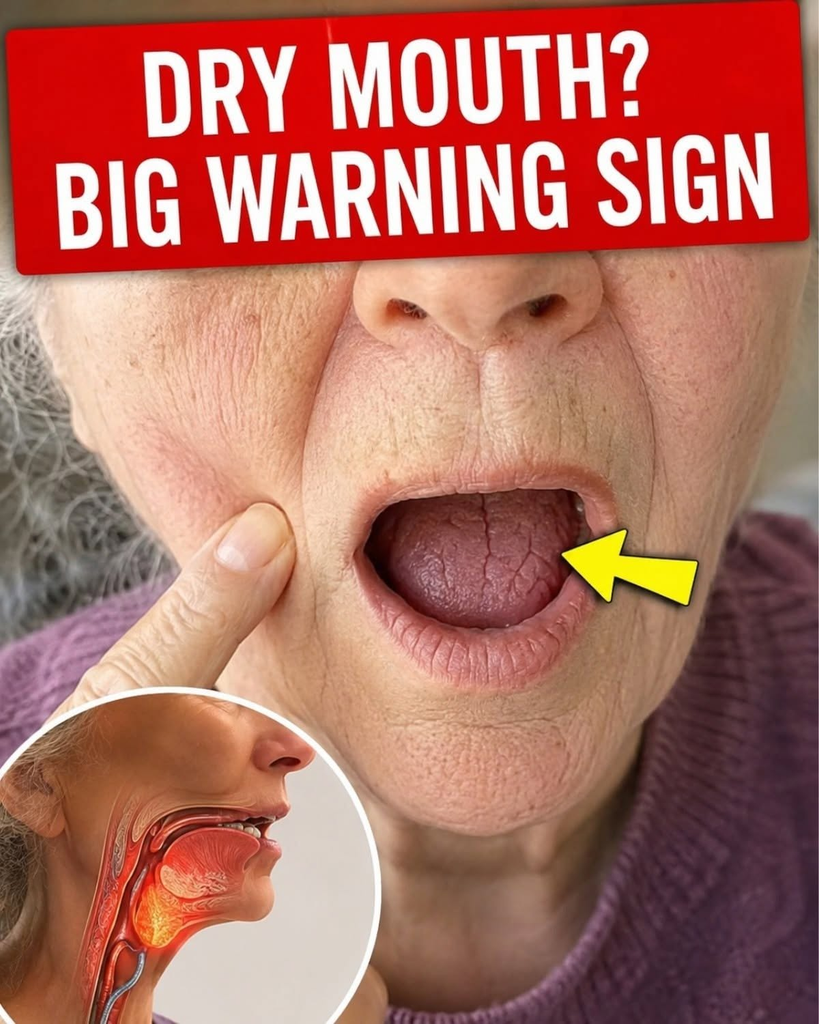
Dry mouth is a common problem that many people experience as they get older, but it should not automatically be dismissed as a normal part of aging. If your mouth frequently feels dry, sticky, or uncomfortable, or if you constantly need water to swallow food, your body may be telling you something important about your saliva production, medications, hydration, or overall health.
Saliva plays a much more important role in everyday health than most people realize. It helps keep the mouth moist, makes chewing and swallowing easier, protects the teeth against decay, supports the sense of taste, and helps maintain a healthy balance of microorganisms inside the mouth. When saliva production decreases or the saliva becomes less effective, several uncomfortable symptoms can develop.
Although occasional dryness is usually harmless, persistent dry mouth deserves attention because it can affect oral health, nutrition, sleep, and quality of life.
Understanding why dry mouth occurs is the first step toward finding the right solution.
What Is Dry Mouth?
Dry mouth, medically known as xerostomia, is the sensation that your mouth does not contain enough moisture. It may occur because the salivary glands produce less saliva than usual or because changes in saliva composition make the mouth feel dry.
Saliva is produced primarily by three pairs of major salivary glands, along with hundreds of smaller glands distributed throughout the mouth and throat.
Under normal circumstances, these glands continuously release saliva to keep oral tissues comfortable and protected. Production increases when you eat, chew, or smell food, while it generally decreases during sleep.
When this system does not function properly, you may notice that your tongue feels rough, your lips become dry, or your mouth becomes uncomfortable when speaking for extended periods.
Some people experience mild dryness only occasionally. Others struggle with symptoms throughout the day and night.
Importantly, dry mouth does not necessarily mean that your salivary glands have stopped working. Saliva production can decrease temporarily, and many different factors can contribute to the problem.
Why Saliva Is Essential for Your Health
Saliva is not simply water. It contains water, electrolytes, enzymes, proteins, and other substances that support several important functions.
1. It Protects Your Teeth
Saliva helps neutralize acids produced by bacteria after you eat or drink. It also supplies minerals, including calcium and phosphate, that help repair early damage to tooth enamel.
When saliva production decreases, the mouth loses part of this natural protective system.
This can increase the risk of cavities, particularly along the gumline and around existing dental restorations.
People with persistent dry mouth may develop dental problems even if they brush regularly because their teeth receive less protection between meals.
2. It Helps Control Oral Bacteria
Your mouth naturally contains many different microorganisms. Saliva helps maintain a healthy oral environment by washing away food particles and containing substances that influence bacterial growth.
When the mouth becomes excessively dry, this balance can change.
Some people develop bad breath, a coated tongue, gum irritation, or a greater tendency toward oral infections.