Can a Bedtime Drink Help You Lose Belly Fat? What Really Works for Lasting Weight Loss
Losing weight is a common goal for people who want to feel healthier, move more comfortably, and reduce their risk of certain chronic diseases. Among the many weight-loss tips shared online, one claim appears repeatedly: drinking a simple homemade beverage before bed can melt belly fat overnight and help you lose dozens of pounds.
The idea sounds appealing. Imagine drinking a glass of something made from everyday ingredients, going to sleep, and waking up with a noticeably smaller waistline.
Unfortunately, the human body does not burn fat that way.
No bedtime drink can remove belly fat in a single night or guarantee that you will lose 70 pounds. However, certain beverages can support a healthy weight-management routine when combined with balanced eating, physical activity, adequate sleep, and consistent habits.
Understanding what actually influences body fat can help you avoid misleading promises and choose an approach that produces meaningful, sustainable results.
1. Can a Bedtime Drink Really Melt Belly Fat Overnight?
The short answer is no.
Body fat accumulates when the body stores more energy than it uses over time. To lose fat, the body generally needs to use more energy than it receives from food and beverages over a sustained period.
This process does not happen simply because someone drinks a particular mixture before sleeping.
Some homemade beverages contain ingredients that contribute to hydration, while others may provide vitamins, minerals, or small amounts of fiber. These benefits can be useful as part of an overall healthy diet, but they do not make a drink a fat-burning treatment.
A beverage may also temporarily change how full your stomach feels or affect fluid balance. Neither effect necessarily represents a reduction in body fat.
For example, someone who weighs less the morning after consuming a drink may have experienced changes in water balance, bowel contents, or other short-term factors.
Actual fat loss occurs gradually and cannot be reliably measured by comparing body weight from one night to the next.
If your goal is to reduce abdominal fat, the most effective approach is to establish habits that support gradual weight loss while preserving muscle and maintaining good nutrition.
2. Why Is Belly Fat So Difficult to Lose?
Abdominal fat is not all the same.
There are two main types of fat commonly discussed when considering the waistline.
Subcutaneous fat lies beneath the skin. It is the softer fat that can often be pinched around the abdomen.
Visceral fat is stored deeper inside the abdominal cavity, surrounding organs such as the liver and intestines.
Excess visceral fat is associated with an increased risk of type 2 diabetes, cardiovascular disease, and other metabolic problems.
Several factors influence how much abdominal fat a person carries, including age, genetics, hormones, sleep, physical activity, diet, and overall body composition.
As people grow older, they may gradually lose muscle and experience changes in fat distribution. This can make the waistline increase even when body weight changes relatively little.
Stress and inadequate sleep can also affect appetite, food choices, and the ability to maintain healthy routines.
One important point is that you cannot choose exactly where your body loses fat first.
Drinking a particular beverage, performing abdominal exercises, or applying a mixture to the stomach will not selectively eliminate fat from that area.
As overall body fat decreases, abdominal fat may also decrease, although the amount and timing vary from person to person.
3. Which Drinks Can Support Healthy Weight Management?
Although no drink can independently eliminate belly fat, choosing suitable beverages can make weight management easier.
The most useful options are generally those that help you stay hydrated without adding excessive calories.
Water
Water is an excellent everyday choice because it provides hydration without added sugar or calories.
Replacing sugary drinks with water can reduce overall calorie intake, particularly for people who regularly consume soda, sweetened tea, energy drinks, or sugary juices.
Drinking water before meals may also help some people feel more satisfied, although the effect varies.
You do not need to force yourself to drink excessive quantities. Fluid needs depend on body size, activity, climate, diet, and medical conditions.
People with heart failure, advanced kidney disease, or prescribed fluid restrictions should follow their healthcare professional’s advice.
Unsweetened Herbal Tea
Herbal teas can provide a warm, comforting beverage in the evening.
Depending on the ingredients, they may also help someone establish a relaxing bedtime routine.
However, herbal tea should not be confused with a fat-burning treatment.
Some herbs can interact with medications or cause side effects, particularly when consumed in concentrated extracts or large quantities.
Choose familiar ingredients, avoid products with exaggerated weight-loss claims, and check with a healthcare professional if you take medication or have a chronic medical condition.
Green Tea
Green tea contains caffeine and naturally occurring compounds called catechins.
Research suggests that green tea may have modest effects on energy expenditure or body weight in some circumstances, but the effects are generally small and inconsistent.
It should not be expected to produce dramatic weight loss.
Because green tea contains caffeine, drinking it close to bedtime may interfere with sleep in people who are sensitive to caffeine.
If better sleep is one of your goals, an unsweetened caffeine-free beverage may be a more suitable evening choice.
Unsweetened Lemon Water
Water flavored with lemon can make hydration more enjoyable for people who dislike plain water.
Lemon provides a small amount of vitamin C, depending on the quantity used, but lemon water does not directly burn abdominal fat.
Its potential weight-management benefit comes mainly from replacing higher-calorie beverages rather than from a special fat-burning property.
You can drink it at any time of day, according to your preference.
4. What About the Orange-Colored Drink Shown in the Image?
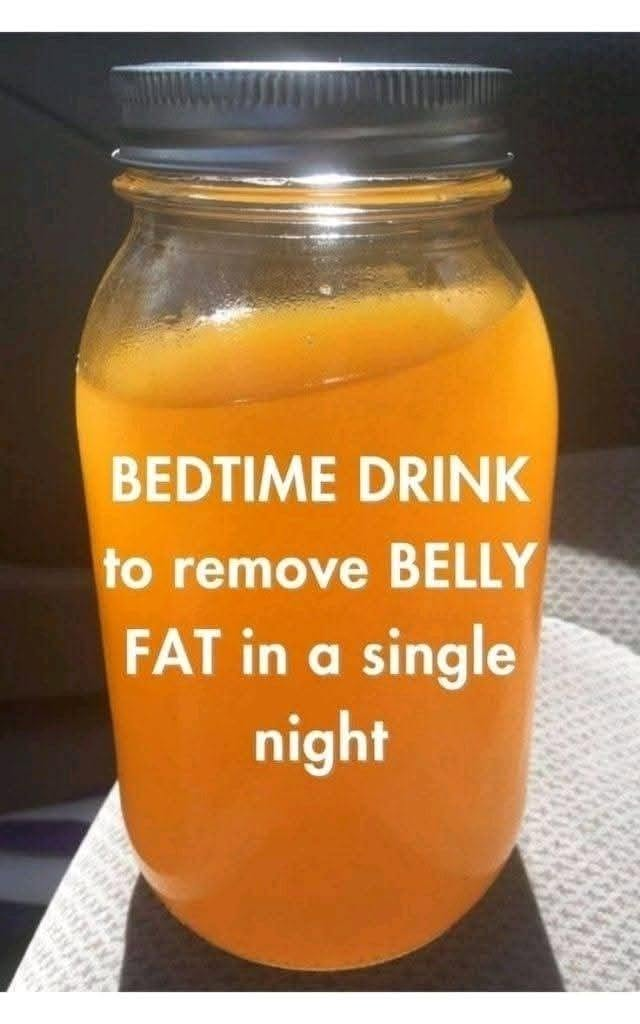
The image shows an orange-colored liquid in a glass jar, but its ingredients are not identified.
It could contain many different things, so it would be misleading to claim that it has a specific effect without knowing its composition.
If the beverage contains fruit juice, honey, or other sweet ingredients, it may contribute a significant amount of sugar and calories depending on the recipe.
If it contains vegetables or whole-food ingredients, its nutritional value will depend on the amounts used and whether the ingredients are blended or strained.
For example, blending whole fruit generally retains more of its fiber than extracting and discarding the pulp. However, even nutritious ingredients can contribute calories, and portion sizes still matter.
Before adopting an online weight-loss drink, consider the following questions:
What are the actual ingredients?
How much sugar does it contain?
Does it provide meaningful nutritional value?
Could any ingredient interact with medication?
Is there credible evidence supporting the claimed benefit?
Does the recipe rely on laxative or diuretic effects?
A drink that causes frequent urination or bowel movements is not necessarily reducing body fat. It may instead cause fluid loss or digestive discomfort.
Avoid products that promise overnight fat removal, dramatic weight loss without dietary changes, or results that supposedly work for everyone.
5. Why Losing 70 Pounds Requires a Different Approach