Drinking Water on an Empty Stomach After Waking Up: What It Can and Cannot Do for Your Heart
Have you ever heard that drinking water immediately after waking up can help protect your heart, clean your arteries, or prevent a heart attack?
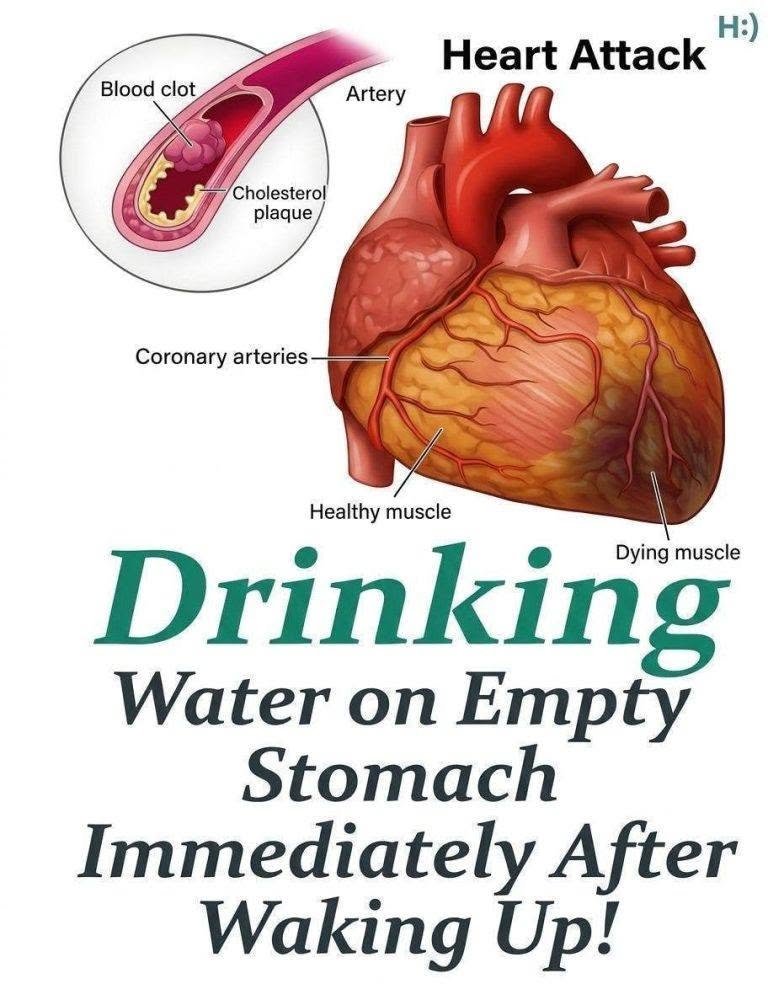
This claim appears frequently on social media, often alongside dramatic pictures showing blocked arteries and cholesterol plaques. The message usually suggests that drinking a glass of water on an empty stomach immediately after waking up can somehow prevent blood clots or remove cholesterol from the arteries.
Drinking water after waking up can certainly be a healthy habit for many people. Your body loses water continuously through breathing, sweating, and urination, including while you sleep. Replacing fluids in the morning can contribute to normal hydration.
However, there is an important difference between saying “morning water helps you stay hydrated” and saying “morning water prevents heart attacks.”
There is no good evidence that simply drinking water on an empty stomach immediately after waking up can dissolve cholesterol plaque, remove a blood clot, or prevent a heart attack.
That doesn’t make drinking water in the morning useless. It simply means we should understand what hydration actually does and what it cannot do.
Why Do People Drink Water in the Morning?
After several hours of sleep without drinking, many people wake up feeling thirsty.
Your body continues to lose water overnight through normal breathing and other processes. The amount varies depending on factors such as room temperature, activity during the previous day, illness, and individual physiology.
Drinking water when you wake up can therefore be a convenient way to start replacing fluids.
For many people, there is nothing wrong with making a glass of water part of their morning routine.
The important thing is not the exact moment you drink it.
Your overall fluid intake throughout the day matters much more than whether you drink water immediately after opening your eyes.
Does Drinking Water Clean Your Arteries?
No.
This is one of the most important misconceptions to correct.
Water travels through your digestive system, is absorbed into the bloodstream, and becomes part of your body’s fluid balance.
It does not act like a pipe cleaner that travels through your arteries and washes cholesterol plaques away.
Atherosclerosis occurs when fatty deposits and other substances accumulate within artery walls over time.
These plaques don’t disappear simply because you drink a glass of water.
Maintaining good hydration is important for normal body function, but it is not a treatment for blocked arteries.
Can Water Dissolve a Blood Clot?
Drinking ordinary water does not dissolve a blood clot.
Blood clots are formed through complex processes involving blood components and the body’s clotting system.
When a dangerous clot occurs, treatment depends on where the clot is located and what caused it.
Some medical situations require medications or procedures designed specifically to treat or remove clots.
Water should never be considered a substitute for emergency medical treatment.
If someone develops symptoms that could indicate a heart attack or another serious cardiovascular emergency, drinking water and waiting for the symptoms to disappear is not appropriate.
What Actually Causes a Heart Attack?
A heart attack generally occurs when blood flow to part of the heart muscle becomes severely reduced or blocked.
One common mechanism involves atherosclerotic plaque within a coronary artery.
A plaque can become unstable and rupture. A blood clot can then form at the site and interfere with blood flow.
When heart muscle doesn’t receive enough oxygen-rich blood, the affected tissue can become damaged.
This is very different from simply being “dehydrated after sleeping.”
There are many factors that influence cardiovascular risk, including:
High blood pressure
High LDL cholesterol
Smoking
Diabetes
Excess body weight
Physical inactivity
Family history
Age
Certain medical conditions
Unhealthy dietary patterns
Hydration is only one small part of overall health.
Can Dehydration Affect the Cardiovascular System?
Severe dehydration can affect the body in significant ways.
When you lose substantial amounts of fluid, your blood volume can decrease. This can affect blood pressure and circulation.
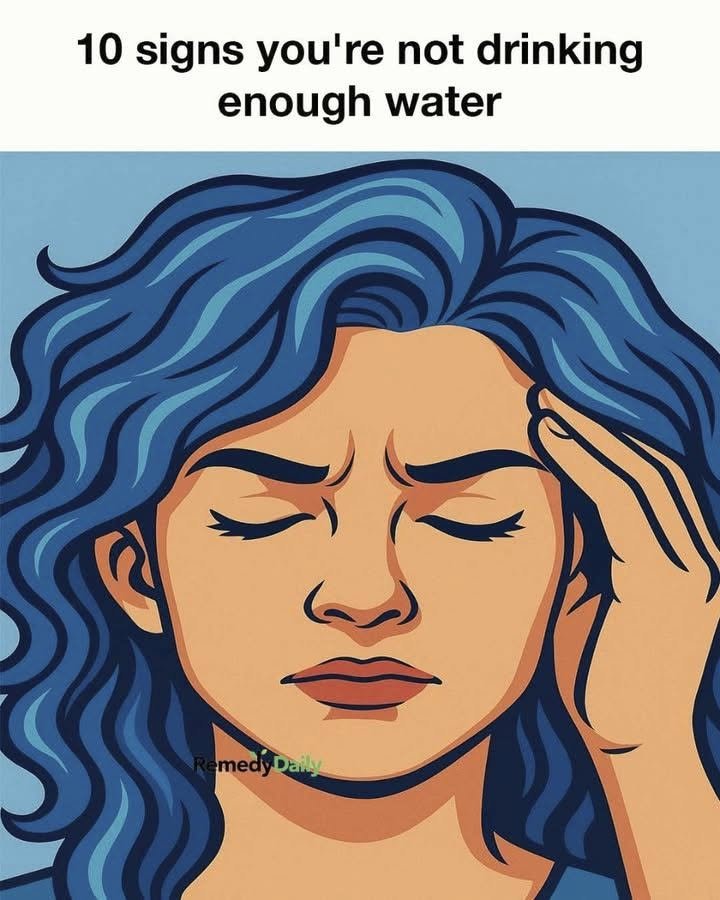
Severe dehydration may cause symptoms such as:
Strong thirst
Dry mouth
Dizziness
Weakness
Headache
Dark urine
Reduced urination
Confusion in severe cases
People can become dehydrated because of heavy sweating, vomiting, diarrhea, fever, prolonged heat exposure, or inadequate fluid intake.
Maintaining appropriate hydration is therefore important.
But this should not be confused with the claim that drinking water every morning specifically prevents cholesterol plaques or heart attacks.
Does Drinking Water Lower Cholesterol?
Drinking water is not a cholesterol-lowering treatment.
If you have elevated cholesterol, the appropriate approach depends on your individual cardiovascular risk and may involve changes to diet, physical activity, weight management, and sometimes medication.
Water contains no special ingredient that removes LDL cholesterol from artery walls.
Replacing sugary drinks with water can indirectly support a healthier diet because it reduces consumption of added sugars and excess calories.
That’s a genuine benefit, but it is different from water directly lowering cholesterol.
What Is LDL Cholesterol?
LDL is often described as “bad cholesterol” because elevated LDL cholesterol is associated with an increased risk of atherosclerotic cardiovascular disease.
Cholesterol itself isn’t inherently bad.
Your body needs cholesterol for important functions, including producing hormones and maintaining cell membranes.
The problem is that persistently elevated levels of certain blood lipids can contribute to plaque formation in arteries.
This is why managing cholesterol can be an important part of protecting cardiovascular health.
A glass of water cannot replace appropriate cholesterol management.
What About Drinking Water Before Breakfast?
There is nothing inherently wrong with drinking water before eating breakfast.
Some people find that it helps them feel refreshed.
Others simply prefer drinking water with or after their meal.
There is no requirement that you drink water on an empty stomach to obtain the basic benefits of hydration.
If drinking a glass of water when you wake up helps you maintain good hydration throughout the day, it can be a perfectly reasonable habit.