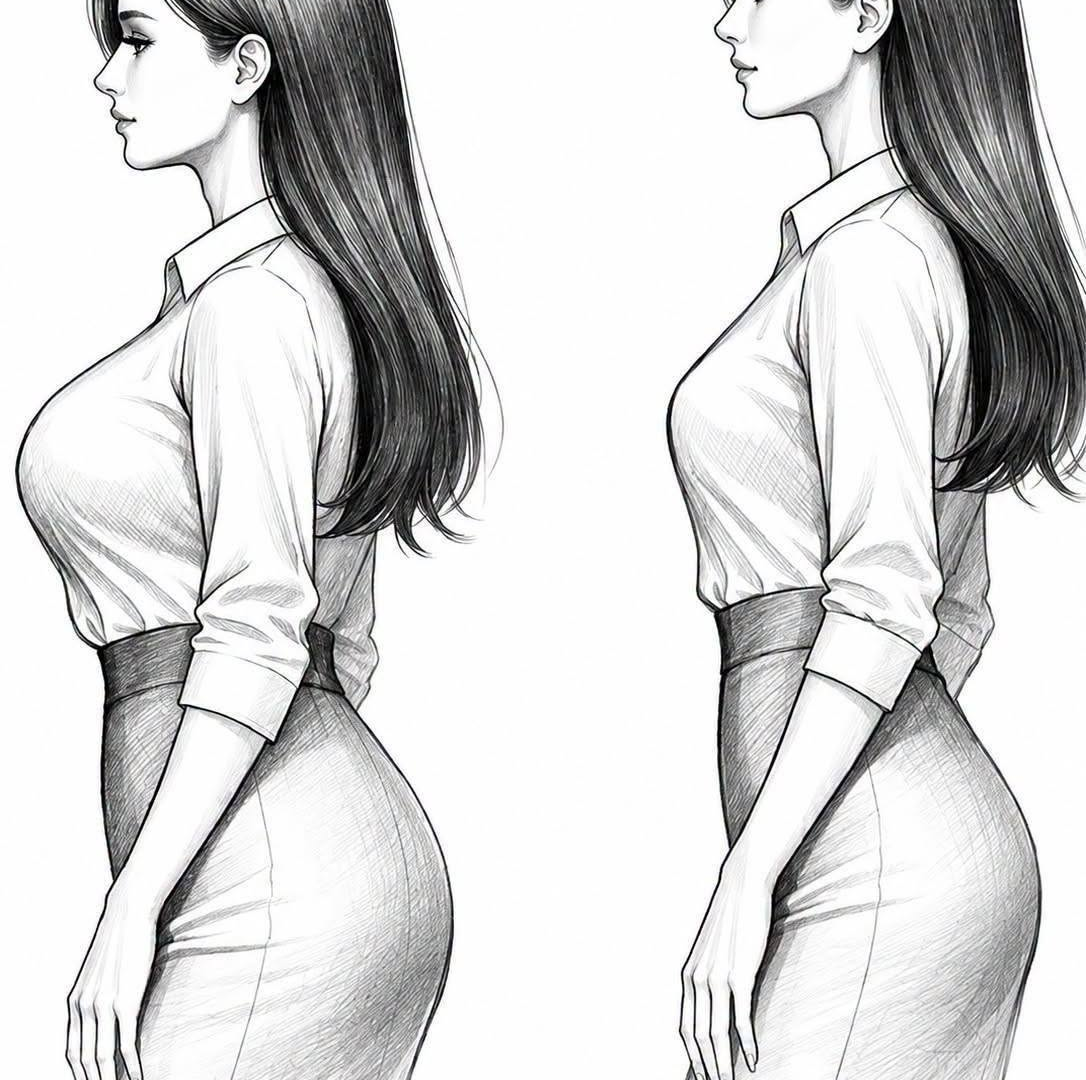
Body Types: Are You an Ectomorph, Mesomorph, or Endomorph? Understanding Your Natural Body Shape
Have you ever wondered why some people seem to gain weight easily while others can eat large meals without noticing much change in their bodies? Or why certain individuals naturally have a slim appearance, while others develop muscular physiques with relatively little strength training?
The answer may involve a combination of genetics, metabolism, hormones, lifestyle, physical activity, and body composition. One popular way of describing these differences is through three traditional body categories: ectomorph, mesomorph, and endomorph.
You may have seen illustrations on social media suggesting that you can identify your body type simply by looking at your wrist or wrapping your fingers around it. Although this method is popular, it is important to understand what it can and cannot tell you.
Let’s explore the three traditional body types, their characteristics, how the wrist test works, and what science actually says about individual differences in body shape and metabolism.
What Are Ectomorph, Mesomorph, and Endomorph Body Types?
The terms ectomorph, mesomorph, and endomorph come from a classification system developed by psychologist William Herbert Sheldon in the 1940s.
Sheldon proposed that people could be described according to three broad physical categories. These categories were based on general body structure and appearance rather than precise measurements of health or metabolism.
Although this classification is still widely discussed in fitness communities, modern science recognizes that human bodies are much more complex. Most people do not fit perfectly into one category.
Nevertheless, understanding these traditional descriptions can help explain why people have different natural physical characteristics.
1. Ectomorph: The Naturally Slim Body Type
The ectomorph body type traditionally describes people with a naturally slender appearance, relatively narrow shoulders, and a smaller bone structure.
People who identify with this category often describe themselves as having difficulty gaining weight or building noticeable muscle mass.
Common Characteristics
Some commonly associated characteristics include:
Naturally slim body proportions.
Relatively narrow shoulders and hips.
Smaller-looking joints and wrists.
Longer-looking arms and legs in proportion to the torso.
Less visible body fat in some individuals.
Difficulty gaining weight for certain people.
A naturally lean appearance.
However, these characteristics are not universal. A slim person can still have considerable muscle mass, and someone with a smaller frame can become very strong through appropriate training.
Why Might Some People Have Difficulty Gaining Weight?
Weight gain depends on several factors, including genetics, appetite, food intake, physical activity, and energy expenditure.
Some individuals naturally have smaller appetites or unconsciously move more throughout the day. Others may burn more calories through regular physical activity.
For someone who wants to gain weight in a healthy way, eating consistently and incorporating resistance training can be helpful.
Practical recommendations include:
Eating balanced meals regularly.
Including protein-rich foods such as eggs, fish, chicken, beans, and yogurt.
Adding healthy calorie sources such as nuts, olive oil, and avocados.
Performing strength-training exercises.
Getting sufficient sleep.
Allowing muscles enough time to recover.
The goal should be gradual improvements in strength and muscle development rather than simply gaining weight as quickly as possible.
2. Mesomorph: The Naturally Athletic Body Type
The mesomorph category traditionally describes individuals with a naturally athletic or muscular appearance.
People associated with this body type are often described as having broader shoulders, a relatively narrow waist, and a more developed muscular structure.
Some people may find it easier to develop visible muscles through regular resistance training, although individual results vary considerably.
Common Characteristics
Traditional mesomorph characteristics include:
A naturally athletic-looking appearance.
Relatively broad shoulders.
A medium-sized bone structure.
Noticeable muscular development.
A proportionally balanced upper and lower body.
The ability to gain muscle with appropriate training.
It is important to remember that these are general descriptions, not scientific rules.
Not everyone with an athletic appearance is genetically destined to be muscular. Training experience, nutrition, physical activity, age, and genetics all contribute to how the body develops.
How Can Someone With an Athletic Build Maintain Their Physique?
People with naturally athletic proportions still need consistent habits to maintain strength and overall health.
A balanced approach may include:
Strength training: Exercises such as squats, push-ups, lunges, rows, and weightlifting help develop and maintain muscle.
Cardiovascular exercise: Walking, swimming, cycling, and jogging support cardiovascular fitness.
Balanced nutrition: A combination of protein, carbohydrates, healthy fats, vitamins, and minerals helps support normal body functions.
Recovery: Muscles need sufficient rest between demanding training sessions.
Consistency: Sustainable exercise habits are generally more useful than extreme workout routines.
Having an athletic-looking body does not automatically mean someone is healthier than a person with a different body shape. Fitness and health cannot be determined by appearance alone.