Dark Underarms: What Causes Them and What Your Skin May Be Telling You
One important medical condition associated with dark underarms is acanthosis nigricans.
This condition causes areas of skin to become darker, thicker, and sometimes velvety.
It commonly appears in skin folds, including:
The armpits.
The back of the neck.
The groin.
Under the breasts.
Other areas where skin folds naturally occur.
Unlike simple discoloration caused by shaving or friction, acanthosis nigricans often produces a noticeable change in skin texture.
The affected skin may feel thicker than normal and develop a soft, velvety appearance.
Acanthosis nigricans is frequently associated with insulin resistance, a condition in which the body’s cells do not respond effectively to insulin.
Insulin resistance can occur in people with higher body weight, but it is not limited to them. Genetic factors, hormonal conditions, certain medications, and other medical issues may also contribute.
In some cases, acanthosis nigricans can be associated with type 2 diabetes or prediabetes.
When should you be concerned?
If darkening appears in several skin folds, particularly when the skin becomes thicker or velvety, arrange a medical assessment.
A healthcare professional may review your medical history and consider checking blood glucose or other relevant markers.
Acanthosis nigricans does not automatically mean someone has diabetes, but it can be an important reason to investigate metabolic health.
Rarely, sudden and extensive acanthosis nigricans in an adult may be associated with an underlying internal disease, including certain cancers. This is uncommon, but rapidly developing or widespread changes deserve prompt medical evaluation, especially when accompanied by unexplained weight loss or other unusual symptoms.
5. Hormonal Changes and Certain Medical Conditions
Hormones influence several processes in the body, including skin function and pigmentation.
Certain hormonal conditions can contribute to changes in the skin.
For example, polycystic ovary syndrome (PCOS) is associated with insulin resistance in some people. Because insulin resistance can contribute to acanthosis nigricans, some individuals with PCOS may notice darker skin around the neck, underarms, or groin.
Other hormonal disorders may also affect pigmentation or contribute indirectly through metabolic changes.
However, dark underarms alone are not enough to diagnose a hormonal problem.
Additional symptoms may provide important clues, such as irregular menstrual cycles, unusual hair growth, acne, unexplained weight changes, or changes in energy levels.
If pigmentation develops alongside these symptoms, a healthcare professional can determine whether hormonal testing is appropriate.
Treatment depends on the underlying condition rather than simply attempting to lighten the skin.
6. Dead Skin Cells and Skin Irritation
The underarms are warm, moist areas that experience regular friction and contact with personal-care products.
As a result, dead skin cells, sweat, and product residue may accumulate on the surface.
This can sometimes make the skin look dull or uneven.
However, dark underarms should not automatically be attributed to poor cleaning or a buildup of dirt.
Melanin-related pigmentation is different from surface residue, and scrubbing harder will not necessarily remove it.
In fact, aggressive scrubbing can damage the skin barrier and trigger additional inflammation.
Gentle skin care
Wash the underarm area with lukewarm water and a mild cleanser.
Avoid rough exfoliating gloves, abrasive scrubs, and harsh soaps.
After washing, pat the skin dry rather than rubbing it aggressively.
If the area feels dry, apply a simple fragrance-free moisturizer.
A gentle routine is usually more beneficial than repeatedly trying strong treatments.
7. Allergic Reactions and Contact Dermatitis
Contact dermatitis occurs when the skin reacts to something it touches.
There are two main types:
Irritant contact dermatitis develops when a substance damages or irritates the skin. Repeated exposure to sweat, friction, harsh soaps, or certain cosmetic ingredients may contribute.
Allergic contact dermatitis occurs when the immune system reacts to a particular ingredient after becoming sensitized to it.
Both conditions can affect the underarms.
The skin may become red, itchy, swollen, dry, or scaly. In darker skin tones, inflammation may appear brown, purple, or gray rather than bright red.
After the inflammation settles, darker patches may remain.
If you repeatedly develop a rash after using a certain deodorant, fragrance, detergent, or body product, consider stopping the suspected product and seeking medical advice.
A dermatologist may recommend patch testing to identify specific allergens.
Avoid experimenting with multiple new products at once, because this makes it harder to determine which ingredient is causing the reaction.
8. Certain Medications Can Affect Skin Pigmentation
Some medications can contribute to changes in skin color.
The effect depends on the medication, dosage, duration of use, and individual response.
Certain medicines may cause increased pigmentation directly, while others can produce inflammation that leaves darker marks.
If you notice that your underarms or other skin areas become darker after starting a new medication, discuss the change with your doctor or pharmacist.
Do not stop prescribed treatment without medical advice.
A healthcare professional can determine whether the medication may be responsible and whether another explanation is more likely.
9. Does Sleeping With Deodorant Cause Dark Underarms?
Social media posts sometimes claim that sleeping with deodorant or antiperspirant causes dark underarms.
This statement is too simplistic.
There is no universal rule that wearing deodorant overnight will make everyone’s underarms darker.
Some people can use these products without experiencing irritation. Others may develop skin reactions to certain ingredients, regardless of whether they apply the product during the day or at night.
Some antiperspirants are specifically designed to be applied at bedtime because their active ingredients need time to work while sweating is reduced.
Therefore, sleeping with an appropriate antiperspirant is not inherently harmful for everyone.
The more important issue is whether a particular product causes irritation, itching, burning, or a rash.
If your skin reacts to a product, stop using it and seek advice if the symptoms persist.
Dark underarms have many possible causes, so blaming nighttime deodorant use without considering other factors can lead to the wrong conclusion.
10. Safe Ways to Improve the Appearance of Dark Underarms
If the discoloration is caused by irritation or post-inflammatory hyperpigmentation, addressing the underlying inflammation is essential.
Skin-lightening products may help some forms of pigmentation, but choosing the wrong treatment can make the problem worse.
Here are several approaches worth discussing with a dermatologist.
Niacinamide
Niacinamide is a form of vitamin B3 used in some skin-care products.
It may help improve uneven skin tone and support the skin barrier.
Some people tolerate it well, but irritation is still possible, particularly when several active ingredients are combined.
Azelaic Acid
Azelaic acid is used to treat certain pigmentation problems and inflammatory skin conditions.
It may help improve post-inflammatory hyperpigmentation in some individuals.
However, underarm skin can be sensitive, so the product strength and frequency should be selected carefully.
Gentle Moisturizers
Maintaining the skin barrier can help reduce dryness and irritation.
Choose products without strong fragrances or unnecessary irritating ingredients.
Moisturizing does not directly remove every form of pigmentation, but it can help the skin remain healthier and more comfortable.
Professional Treatments
A dermatologist may recommend prescription treatments or carefully selected procedures depending on the cause.
Chemical peels and certain laser treatments are sometimes used for pigmentation, but they can also cause burns, irritation, or additional darkening if performed incorrectly.
The risk of post-inflammatory hyperpigmentation is particularly important in people with darker skin tones.
Professional assessment is therefore essential before considering these procedures.
11. Home Remedies You Should Avoid
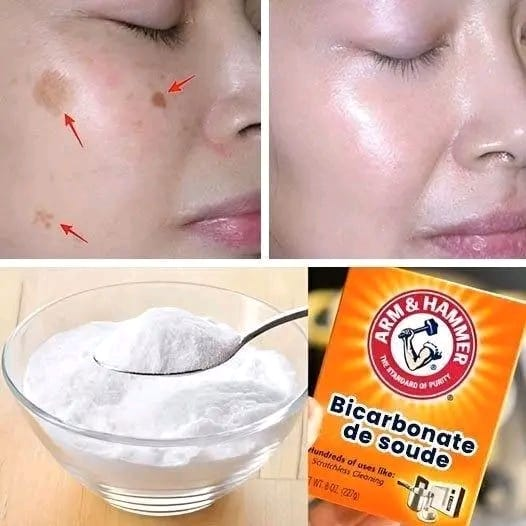
Many online posts recommend lemon juice, baking soda, toothpaste, or strong household ingredients to lighten dark underarms.
These methods are not reliable treatments and may irritate delicate skin.
Lemon Juice
Lemon juice is acidic and can cause irritation.
Citrus substances on the skin may also increase the risk of certain reactions after sunlight exposure.
Using lemon juice on sensitive underarm skin can worsen inflammation and potentially leave darker marks.
Baking Soda
Baking soda is alkaline and can disrupt the skin’s natural barrier.
Repeated use may cause dryness, irritation, and discomfort.
Toothpaste
Toothpaste is designed for teeth, not delicate skin.
Its ingredients may cause irritation or allergic reactions when applied to the underarms.
Harsh Scrubs
Scrubbing aggressively does not remove pigmentation that exists deeper in the skin.
It can create small amounts of inflammation that make discoloration more noticeable.
The safest approach is to avoid harsh household remedies and choose products specifically formulated for skin care.