How to Effectively Clean a Ceramic Glass Cooktop Without Scratching It
13. Why Milk and Starchy Foods Can Be So Difficult
Milk, pasta water, rice water, sauces, and other starchy foods can leave behind stubborn films when they boil over.
As the liquid evaporates, proteins, starches, fats, and minerals can remain on the surface.
If they are repeatedly heated, the residue becomes harder to remove.
This is another reason to clean spills before they become multiple layers of baked-on material.
A damp cloth may be enough for a fresh spill, while an old hardened spill may require a cooktop scraper and appropriate cleaner.
14. The Best Cloth for the Job
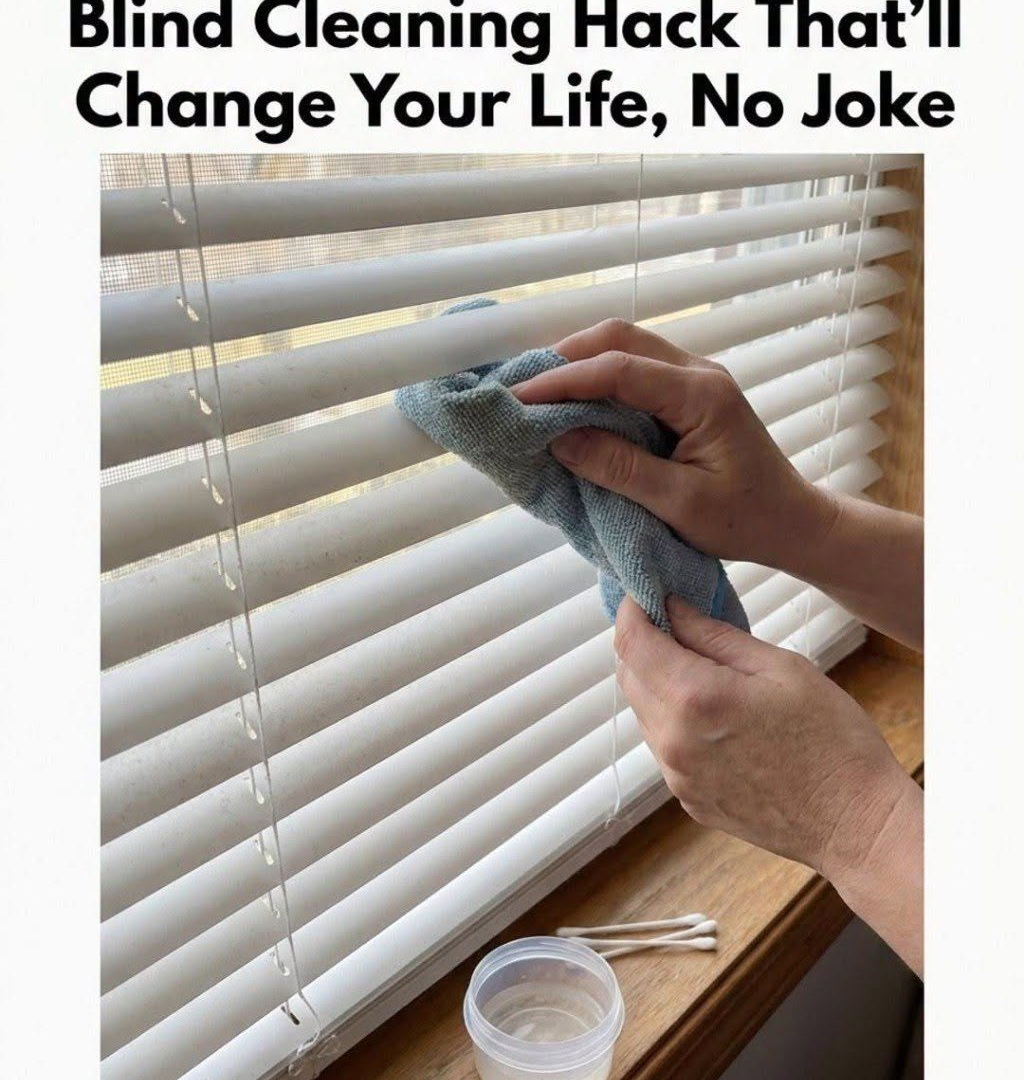
Microfiber cloths are excellent for ceramic glass cooktops.
They are soft and can pick up grease without being highly abrasive.
Keep a few cloths specifically for kitchen surfaces.
Avoid using a cloth that has picked up:
Sand
Dirt
Cleaning powder
Metal fragments
Hardened food particles
Even a soft cloth can scratch a delicate surface if it contains abrasive debris.
Use a clean cloth for the final polishing step.
15. How to Remove Greasy Film
Sometimes the cooktop looks clean but still has a cloudy, greasy appearance.
This usually means a thin layer of oil or cleaner residue remains.
Use a small amount of mild dish soap diluted in warm water.
Wipe the surface thoroughly.
Then use a separate clean damp cloth to remove the soap.
Finally, dry and polish the cooktop with a clean microfiber cloth.
Using too much cleaning product can actually make the surface look worse because leftover product can create streaks.
16. How to Deal With White or Cloudy Marks
White marks may be caused by mineral deposits, residue from cleaning products, or deposits left behind after water evaporates.
A suitable glass-cooktop cleaner may remove them.
For mineral-type residue, a small amount of diluted vinegar may sometimes help, but check the appliance manufacturer’s recommendations first.
Don’t respond to a cloudy mark by aggressively scrubbing it.
That can turn a removable residue problem into a permanent scratch problem.
17. What About Scratches That Are Already There?
Unfortunately, genuine scratches in ceramic glass generally cannot simply be wiped away.
If the surface has been scratched, polishing compounds or aggressive abrasives may make the situation worse.
Some marks that look like scratches may actually be residue or metal transfer from cookware, however.
This is why proper cleaning should be attempted before assuming the glass itself is damaged.
If a scratch is deep, spreading, or accompanied by a crack, stop using the cooktop if the manufacturer’s instructions indicate that the damaged surface is unsafe and have it inspected or replaced as appropriate.
18. Never Ignore a Crack
A small surface mark is one thing.
A crack in a glass cooktop is different.
If the cooking surface is cracked or severely damaged, don’t continue treating it as an ordinary cleaning problem.
Follow the appliance manufacturer’s safety instructions and arrange appropriate service or replacement.
Do not attempt to repair structural damage with household glue, tape, or homemade solutions.
19. Don’t Pour Ice-Cold Water Onto a Hot Cooktop
This deserves repeating because it is such a common mistake.
A hot glass surface and very cold water can create a rapid temperature change.
Glass and ceramic materials can be sensitive to thermal shock.
Instead of pouring water directly over a hot surface, allow it to cool appropriately before cleaning.
This is especially important if there is hardened food that you are tempted to loosen immediately.
20. A Simple Weekly Deep-Cleaning Routine
If you want your cooktop to remain shiny, you don’t need to wait until it becomes heavily stained.
Once the surface is cool:
Step 1: Remove loose crumbs and debris with a soft cloth.
Step 2: Apply a small amount of mild dish soap and warm water or a cooktop-approved cleaner.
Step 3: Let stubborn residue soften rather than immediately scrubbing.
Step 4: Use a cooktop scraper for genuinely hardened material.
Step 5: Wipe away the loosened residue.
Step 6: Use a clean damp microfiber cloth to remove remaining cleaner.
Step 7: Dry the surface completely.
Step 8: Buff gently with a dry microfiber cloth.
This routine is usually much easier than trying to remove months of accumulated burnt-on residue.
Common Cleaning Mistakes to Avoid
A few habits can make a ceramic glass cooktop look worse over time.
Using steel wool
Steel wool can create scratches.
Using a knife as a scraper
A kitchen knife is not designed for cleaning glass cooktops and can scratch or damage the surface.
Scrubbing with a rough sponge
Some scouring pads are abrasive enough to dull the surface.
Using too much cleaner
Excess product can leave a film and streaks.
Cleaning while extremely hot
This creates burn risks and may damage the surface depending on the cleaning method.
Sliding cookware
Dragging pots and pans can create scratches.
Ignoring small spills
Repeated heating can turn small spills into stubborn deposits.
Using random chemicals
Not every kitchen or bathroom cleaner is suitable for a glass cooking surface.
The Best Way to Keep the Cooktop Looking New
The easiest cooktop to clean is one that isn’t allowed to accumulate layers of residue.
After cooking, once the surface is safely cool, quickly wipe away spills.
Don’t wait until grease and food have been baked onto the glass repeatedly.
Use appropriate cookware, keep the bottoms clean, and lift pots instead of dragging them.
Most importantly, don’t try to clean harder when you should be cleaning smarter.
A gentle method combined with patience is usually more effective than aggressive scrubbing.
Final Takeaway
Cleaning a ceramic glass cooktop doesn’t require harsh chemicals, aggressive scrubbing, or complicated homemade recipes.
The safest general approach is:
Cool the surface → remove loose debris → soften residue → use a soft cloth → use a proper cooktop scraper for stubborn deposits → wipe away cleaner → dry and polish.
Avoid steel wool, rough abrasive pads, knives, excessive force, and cleaners that aren’t approved for the surface.
And remember that preventing buildup is much easier than removing heavily burned-on residue.
With regular gentle cleaning and careful cookware handling, a ceramic glass cooktop can remain smooth, clean, and attractive for a long time without unnecessary scratching or damage.