Mixing Toothpaste and Vaseline: What Really Happens, and Is It Safe for Your Skin?
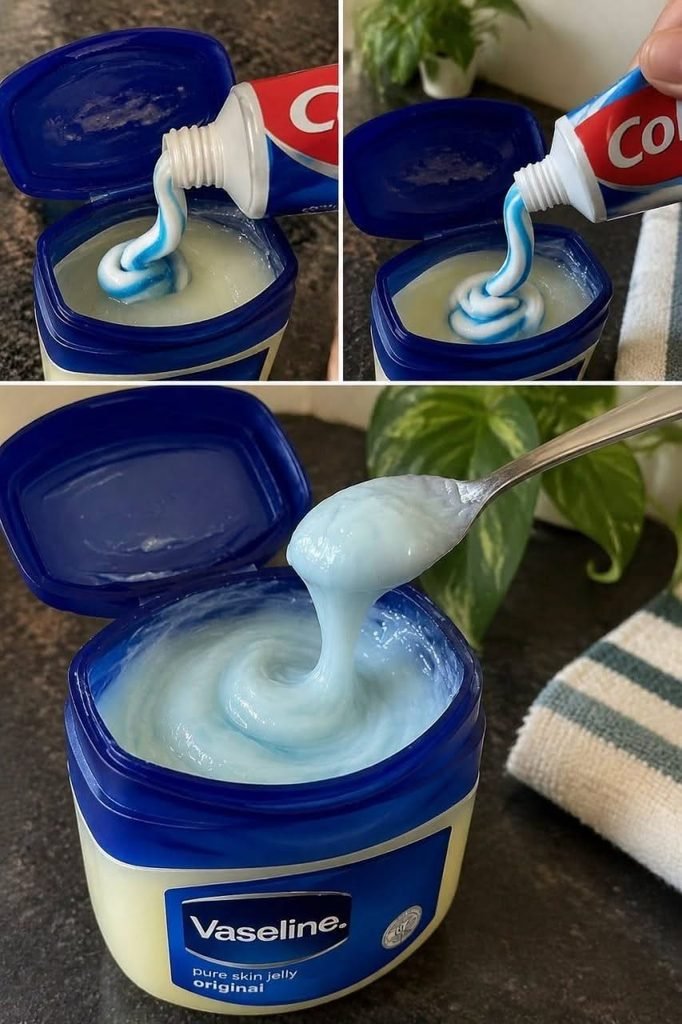
Mixing toothpaste with Vaseline has become a popular home beauty tip, with claims that this simple combination can improve the appearance of the skin, soften rough areas, reduce dark spots, and make the face look smoother. The idea may sound appealing because both products are commonly found at home.
But is this mixture really effective? Can toothpaste improve your skin when combined with petroleum jelly, or could it cause irritation and other unwanted effects?
The truth is that Vaseline can help protect and moisturize dry skin, but toothpaste is not designed for use on the face or other areas of the skin. Combining the two does not automatically create a more effective skincare treatment.
Understanding what each ingredient does, which claims are supported by evidence, and how to use safer alternatives can help you care for your skin without unnecessary risks.
1. What Happens When You Mix Toothpaste and Vaseline?
Toothpaste and Vaseline serve very different purposes.
Toothpaste is formulated to clean teeth, remove food debris, and help protect against dental problems. Depending on the formula, it may contain fluoride, detergents, flavorings, abrasives, and other ingredients intended for oral hygiene.
Vaseline, on the other hand, is a petroleum jelly product that helps protect the skin by reducing moisture loss.
When the two products are mixed, the petroleum jelly creates a thick, slippery base, while the toothpaste adds its own ingredients and texture.
The resulting mixture may feel smooth when applied, but this does not mean it provides additional skincare benefits.
In fact, the petroleum jelly may make it harder to remove toothpaste from the skin, potentially prolonging exposure to ingredients that cause irritation.
For this reason, mixing these products is generally not recommended as a facial treatment.
2. Can Toothpaste and Vaseline Remove Dark Spots?
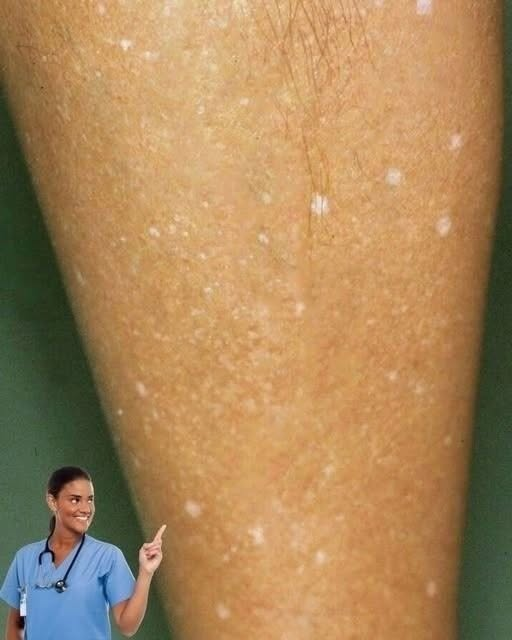
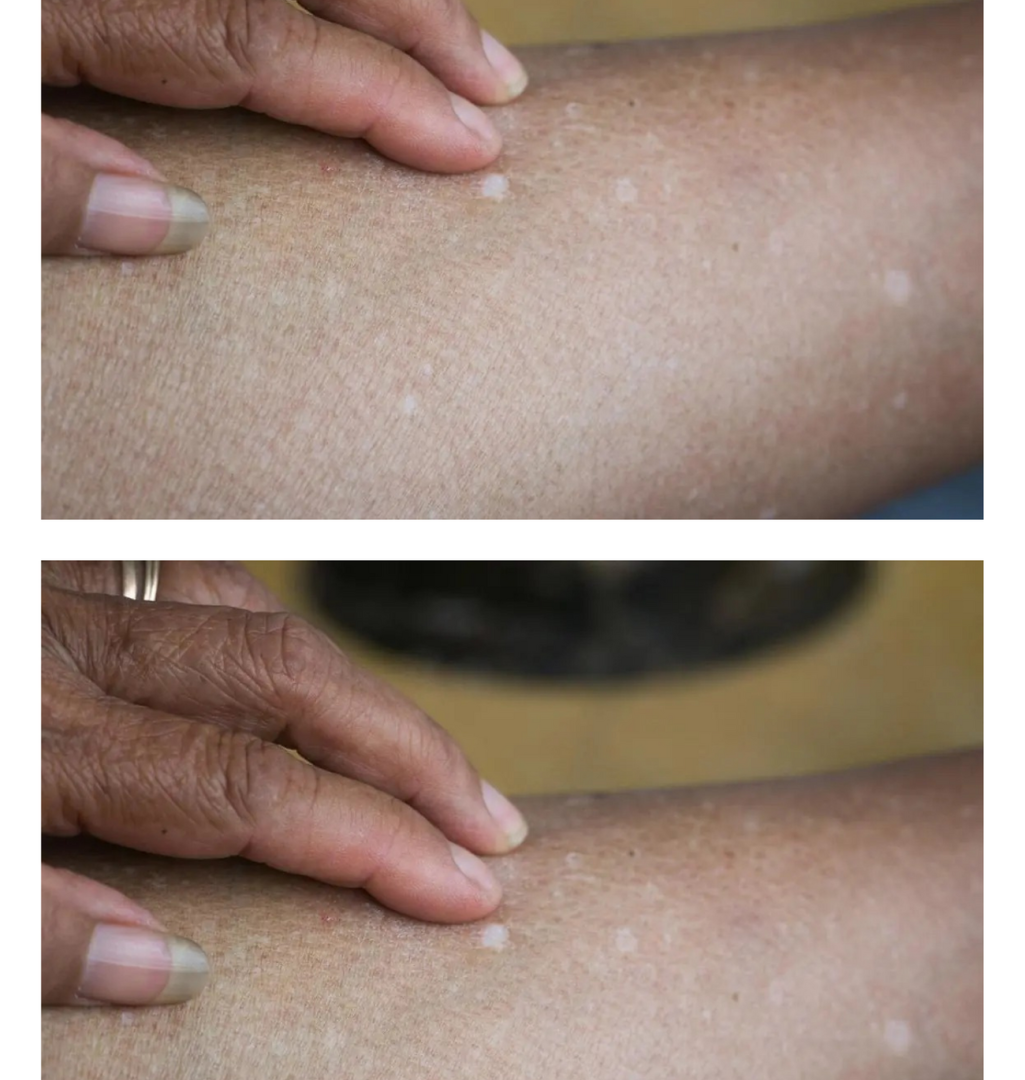
One common claim is that this mixture can eliminate dark spots, acne marks, and uneven skin tone.
However, there is no reliable clinical evidence showing that combining toothpaste with petroleum jelly removes pigmentation.
Dark spots can develop for several reasons, including sun exposure, hormonal changes, inflammation, acne, and certain skin conditions.
Treating them effectively requires understanding their underlying cause.
Why Toothpaste Is Not a Good Choice
Some toothpastes contain ingredients that may irritate sensitive skin.
Depending on the formula, these may include flavoring agents, detergents, and whitening ingredients.
Skin irritation can lead to redness, dryness, or inflammation. In some people, inflammation may actually cause additional darkening, particularly in areas prone to post-inflammatory hyperpigmentation.
Applying toothpaste to a dark spot may therefore make the problem worse rather than improve it.
What Can Help Instead?
A gentler approach is usually more appropriate.
Consider the following measures:
Use a broad-spectrum sunscreen with SPF 30 or higher during the day.
Choose a gentle cleanser that does not leave your skin feeling tight.
Use a moisturizer suitable for your skin type.
Consider skincare ingredients such as niacinamide or azelaic acid if appropriate for your skin.
Introduce new products gradually to check for irritation.
Persistent or changing dark spots should be assessed by a healthcare professional, particularly if their appearance is unusual.