Purple Onion Remedy: What Red and Purple Onions Can Really Do for Your Health
10. Do Purple Onions Detoxify the Body?
The “detox” claim is one of the most misleading claims in viral health posts.
Your body already has sophisticated systems for processing and eliminating waste.
The liver, kidneys, lungs, digestive system, and other organs continuously perform these functions.
Eating purple onions does not cause a special detoxification process.
That doesn’t make onions useless.
It simply means their benefits should be described accurately.
Their fiber, nutrients, and plant compounds can contribute to a healthy diet, but you don’t need an onion detox program to support your body’s normal functions.
11. Raw Onion vs. Cooked Onion
One interesting question is whether onions are better raw or cooked.
Both can be nutritious.
Raw onions tend to have a stronger flavor and preserve certain heat-sensitive compounds better.
Cooking changes the chemical composition of onions and can reduce some compounds while making other aspects of the vegetable easier to eat and digest.
Cooking also makes onions sweeter and softer.
There isn’t a universal rule saying that raw onions are always healthier.
The best choice is the form you enjoy and can comfortably include in your diet.
12. Why Do Onions Make You Cry?
The same family of sulfur-containing chemistry that gives onions their characteristic smell also contributes to their ability to make you cry.
When an onion is cut, its cells are damaged.
This allows enzymes and sulfur-containing compounds to interact and eventually produce an irritating compound that reaches the eyes.
Your eyes respond by producing tears to wash away the irritant.
It’s a fascinating example of plant chemistry.
13. Purple Onion and Digestive Health
Onions contain dietary fiber and certain carbohydrates that can be fermented by bacteria in the large intestine.
This can contribute to the activity of the gut microbiome.
However, onions can also cause digestive symptoms in some people.
People with irritable bowel syndrome or sensitivity to certain fermentable carbohydrates may experience:
Gas
Bloating
Abdominal discomfort
Changes in bowel habits
This doesn’t mean onions are unhealthy.
It means that individual tolerance varies.
If onions consistently cause significant digestive discomfort, reducing the portion or changing how they are prepared may help.
14. Can Eating Onion Help With Weight Loss?
Purple onions can certainly fit into a weight-conscious diet.
They are relatively low in calories and can add flavor to meals without requiring large amounts of calorie-dense sauces.
But onions don’t directly burn body fat.
There is no special onion compound that makes abdominal fat disappear.
Healthy weight management is influenced by overall energy intake, physical activity, sleep, appetite, food quality, and many other factors.
Using onions to make vegetables, beans, lean proteins, and whole grains more enjoyable can be a practical strategy—but the onion itself is not a fat-burning treatment.
15. How Much Purple Onion Should You Eat?
There is no medically required daily amount of purple onion.
You can use it according to your taste and digestive tolerance.
A few slices in a salad, some chopped onion in a cooked meal, or onions included in a vegetable dish can all contribute to your overall vegetable intake.
There’s no need to force yourself to eat an entire raw onion every day.
More isn’t necessarily better.
A diverse diet containing many different vegetables is more useful than focusing excessively on one food.
16. Who Should Be Careful With Raw Onion?
Most people can eat onions without problems.
However, some people may be sensitive to them.
Raw onion can be particularly irritating for people who experience:
Acid reflux
Heartburn
Sensitive digestion
Irritable bowel symptoms
Excessive gas or bloating
Cooking onions may make them easier for some people to tolerate.
If a particular food repeatedly causes symptoms, don’t assume that discomfort means the food is “detoxing” you.
It may simply mean that your body doesn’t tolerate that amount of the food well.
17. How to Add Purple Onion to Your Diet
There are many easy ways to enjoy it.
Fresh salad
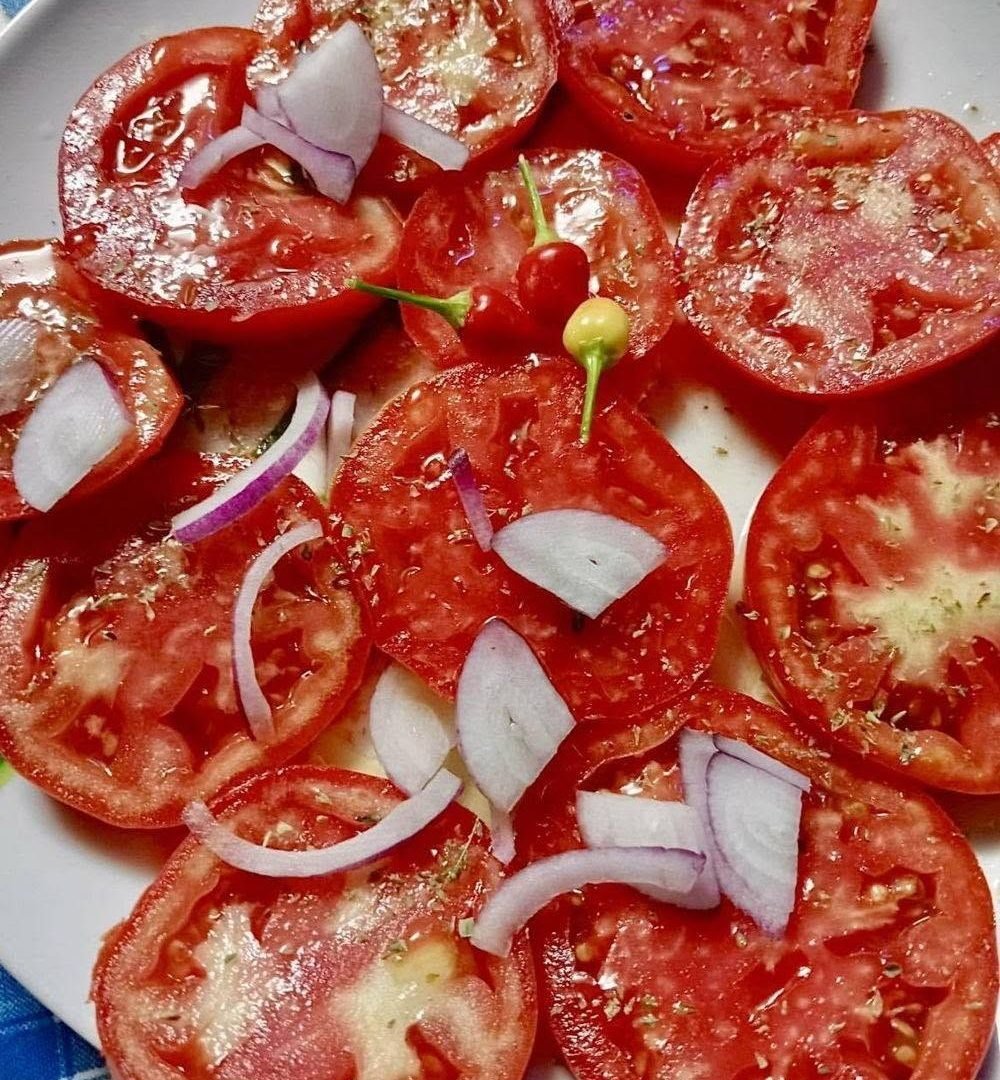
Combine sliced purple onion with tomatoes, cucumber, lettuce, herbs, and a simple dressing.
Sandwiches
A few thin slices can add crunch and flavor.
Eggs
Chopped onion works well with scrambled eggs, omelets, and vegetable frittatas.
Beans
Onion pairs naturally with lentils, chickpeas, and other legumes.
Roasted vegetables
Roasting onion with peppers, zucchini, carrots, or other vegetables creates a naturally sweet flavor.
Soups and stews
Onion is one of the classic foundations of countless savory dishes.
Purple Onion Remedy: What Should You Believe?
The image is correct about one important thing: purple onions are nutritious foods with interesting plant compounds.
But several of the claims require more careful wording.
“Strengthens the immune system”
Better understood as: onions contribute nutrients and plant compounds to a healthy diet that supports normal body function.
“Improves circulation”
There is scientific interest in onion compounds and cardiovascular health, but eating onions should not be considered a treatment for poor circulation.
“Regulates blood pressure”
Onions can fit into a heart-healthy diet, but they are not a replacement for blood-pressure treatment.
“Regulates blood sugar”
Onions are a relatively low-calorie vegetable that can fit into a diabetes-friendly eating pattern, but they don’t independently control diabetes.
“Relieves cough and flu”
Onion has traditional uses for respiratory symptoms, but it does not cure influenza or other infections.
“Detoxifies the body”
This is an exaggerated claim. Your liver and kidneys already perform the body’s major detoxification and waste-removal functions.
“Fights infections and bacteria”
Onion compounds have interesting laboratory properties, but eating onion should not be considered an antibiotic treatment.
“Protects the heart”
Onions can be part of a dietary pattern associated with cardiovascular health, but one food cannot guarantee protection from heart disease.
Final Takeaway
Purple onions deserve a place in a healthy diet, but they don’t need exaggerated claims to make them interesting.
They provide fiber, vitamins, minerals, flavonoids, anthocyanins, and sulfur-containing plant compounds. Regularly eating a variety of vegetables—including colorful onions—can contribute to an overall nutritious eating pattern.
They may support cardiovascular health as part of a healthy diet, add beneficial plant compounds, contribute to fiber intake, and provide flavor without many calories.
But purple onions are not a cure for infections, influenza, high blood pressure, diabetes, or other diseases, and they don’t perform a special “detox” of the body.
The best way to use them is simple: include them regularly as one part of a varied diet.
Whether you enjoy them raw in a salad, lightly cooked with vegetables, added to soups, or incorporated into your favorite meals, purple onions can be a flavorful and nutritious addition to everyday eating.