Sleeping in the Right Position : A Little-Known Secret for Your Well-Being
Have you ever wondered whether the position you sleep in could influence your health? Most people spend approximately one-third of their lives sleeping, yet few think about how their sleeping position may affect digestion, breathing, circulation, and overall comfort.
While getting enough sleep is essential, the way you position your body at night can also make a difference. Sleeping on your left side, sleeping on your right side, and lying on your back each have different potential advantages and disadvantages.
One particular position that has attracted attention is sleeping on the left side. Some research suggests that this position may help people who experience nighttime acid reflux, also known as heartburn. However, the benefits depend on individual health conditions, anatomy, and sleeping habits.
So, is sleeping on your left side really better than sleeping on your right? And what happens inside your body when you change positions?
Let’s explore the science behind sleeping positions and seven important ways they may influence your well-being.
1. Sleeping on Your Left Side May Reduce Acid Reflux
One of the most frequently discussed benefits of sleeping on the left side involves digestion and acid reflux.
Acid reflux occurs when stomach contents flow backward into the esophagus, the tube connecting your mouth to your stomach. This can produce an uncomfortable burning sensation in the chest, commonly called heartburn.
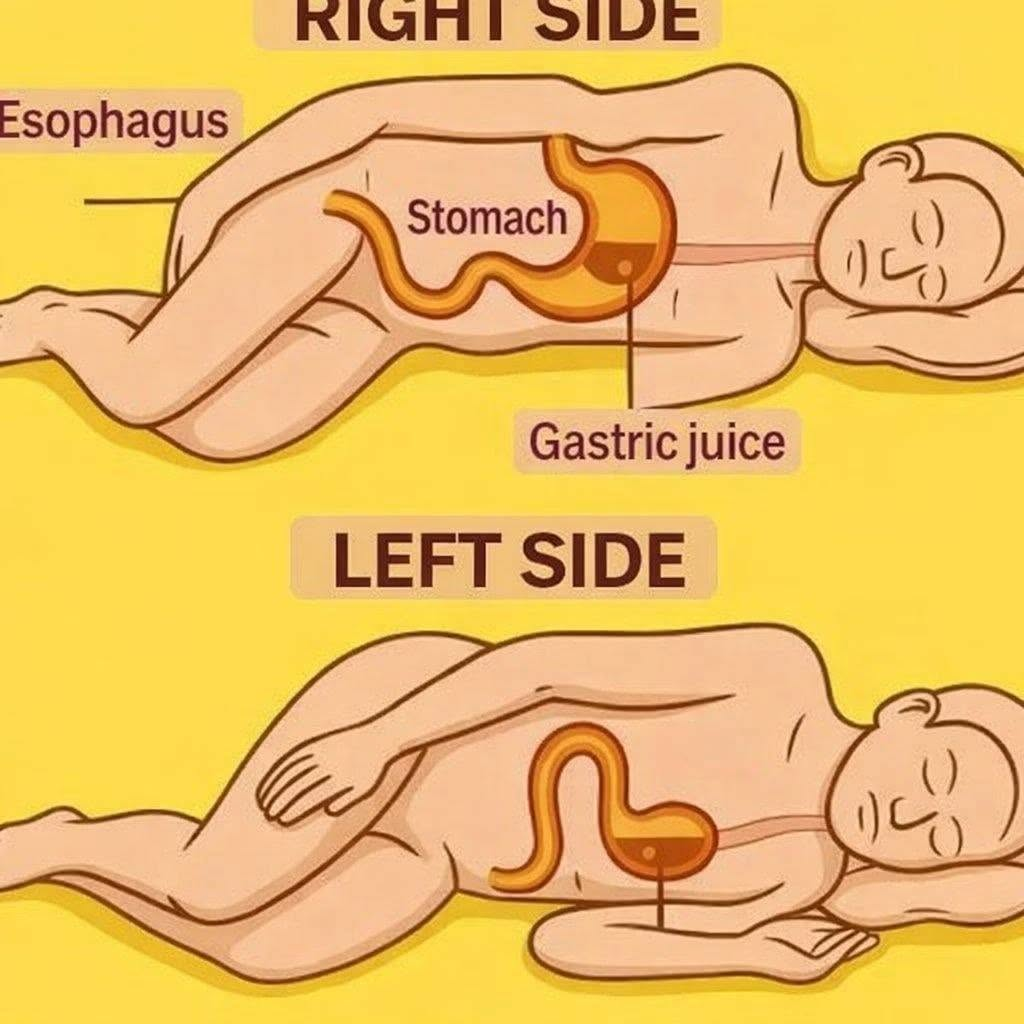
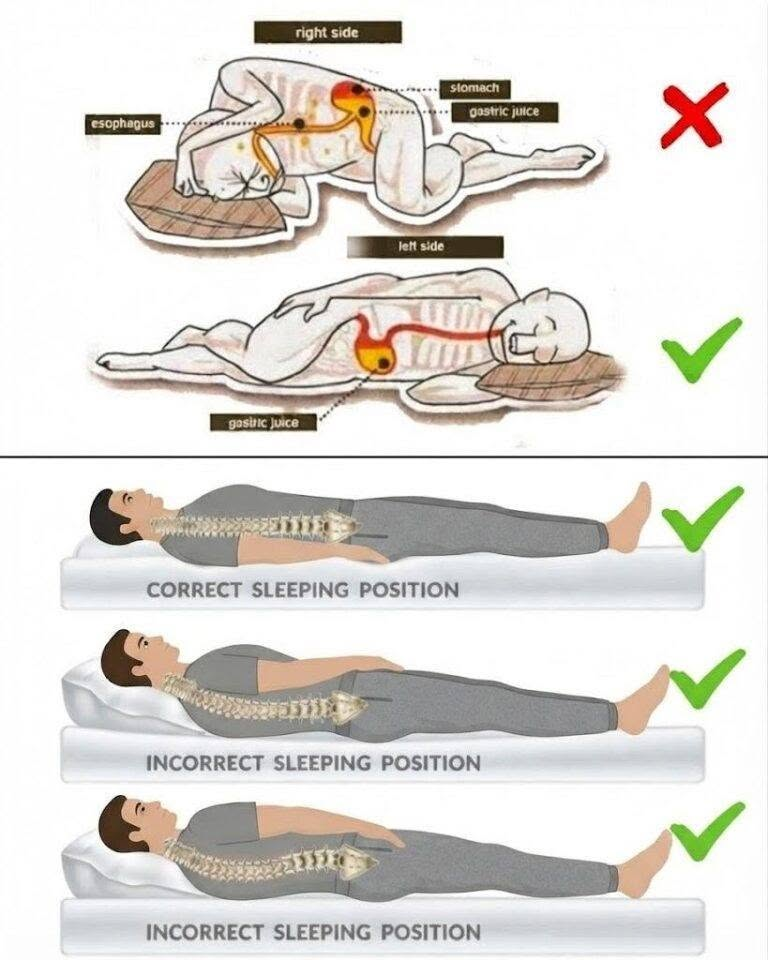
Your stomach is positioned slightly toward the left side of your upper abdomen. Because of its anatomical shape and the way the stomach connects to the esophagus, lying on your left side can help keep stomach contents away from the esophageal opening.
This may reduce nighttime acid exposure in the esophagus.
Some studies have found that left-side sleeping can reduce acid reflux compared with right-side sleeping.
People who frequently experience nighttime heartburn may therefore find this position more comfortable.
However, sleeping on the left side does not cure gastroesophageal reflux disease (GERD). Persistent symptoms should be discussed with a healthcare professional.
2. It May Help Reduce Nighttime Heartburn
Heartburn can become particularly uncomfortable when you lie down.
During the day, gravity helps keep stomach contents in place. When you lie horizontally, that assistance becomes less effective, making reflux more likely in some individuals.
Sleeping on your left side may help reduce this problem.
By contrast, sleeping on the right side can sometimes make reflux episodes more frequent or prolong acid exposure in the esophagus.
If you regularly experience heartburn at night, consider combining a comfortable sleeping position with other helpful habits: