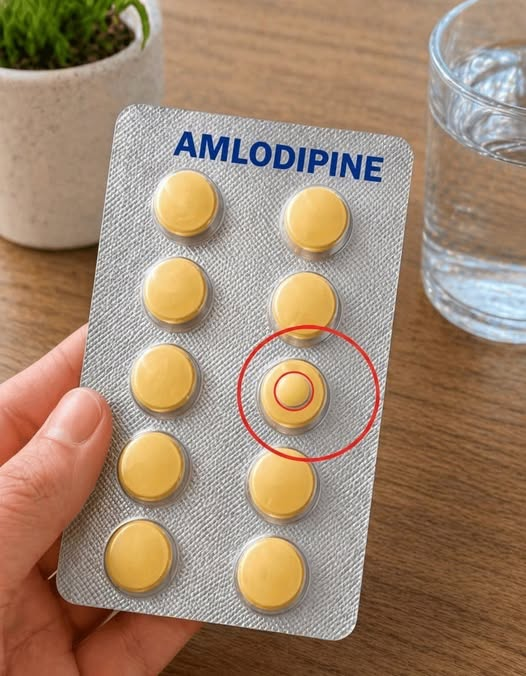
Taking Amlodipine for High Blood Pressure? 8 Everyday Habits You Should Avoid
1. Skipping Doses or Forgetting Your Medication
One of the most important habits to avoid is regularly forgetting your prescribed medication.
Amlodipine is usually taken once daily. Taking it consistently helps maintain its blood-pressure-lowering effect.
Missing doses repeatedly can make blood pressure more difficult to control.
Try these simple strategies:
Take your tablet at approximately the same time each day.
Set a reminder on your phone.
Use a weekly pill organizer.
Keep a record of your medication schedule.
If you forget a dose, follow the instructions in your medication leaflet or ask your pharmacist. Do not take a double dose to make up for a missed tablet.
2. Stopping Your Medication When You Feel Better
High blood pressure is often called a silent condition because many people have no noticeable symptoms.
You may feel perfectly healthy even when your blood pressure is still too high.
This is why stopping amlodipine simply because you feel better can be dangerous.
Do not reduce your dose, stop taking it, or change your medication schedule without speaking to your healthcare professional.
If your blood pressure readings have improved, your doctor can decide whether your current treatment should continue or be adjusted.
3. Eating Too Much Salt
A diet high in sodium can make blood pressure harder to manage.
Excess sodium encourages the body to retain water and can contribute to elevated blood pressure, especially in people who are sensitive to salt.
Common sources include:
Processed meats and sausages
Canned soups
Instant noodles
Packaged snacks and chips
Fast food
Salty sauces and seasoning mixes
Try preparing more meals at home, choosing lower-sodium products, and reading nutrition labels.
The American Heart Association recommends limiting sodium to no more than 2,300 milligrams daily, with an ideal target of 1,500 milligrams for many adults with high blood pressure.
4. Drinking Too Much Alcohol
Alcohol can affect blood pressure and may increase some of the effects of amlodipine.
For certain people, drinking alcohol while taking this medication can increase the likelihood of dizziness, lightheadedness, or low blood pressure.
Regular heavy drinking can also contribute to higher blood pressure over time.
Limiting alcohol or avoiding it altogether may be beneficial, particularly if you experience dizziness after taking your medication.
Ask your healthcare professional whether alcohol is appropriate for your individual situation.
<!–nextpage–>
5. Smoking or Using Tobacco Products
Smoking damages blood vessels and increases the risk of cardiovascular disease.
Nicotine can temporarily raise blood pressure and heart rate. Over time, tobacco use contributes to damage throughout the cardiovascular system.
Amlodipine helps relax blood vessels, but it cannot remove all the risks associated with smoking.
Quitting tobacco is one of the most important steps you can take to improve your long-term heart health.
Speak with a healthcare professional about smoking-cessation support if you need help getting started.
6. Spending Too Much Time Sitting
Physical inactivity can contribute to weight gain, poor cardiovascular fitness, and difficulty managing blood pressure.
Regular exercise helps support heart health and can improve overall fitness.
You do not need to begin with intense workouts. Try activities such as:
Walking
Swimming
Cycling
Dancing
Gardening
Gentle strength training
The CDC recommends at least 150 minutes of moderate-intensity physical activity per week for most adults.
Start at a comfortable level and increase activity gradually. Ask your doctor about suitable exercises if you have heart disease, chest pain, dizziness, or other medical limitations.
7. Taking Painkillers or Cold Medicines Without Checking
Some common over-the-counter medications can raise blood pressure or interfere with blood-pressure management.
Two important groups deserve attention.
Nonsteroidal anti-inflammatory drugs (NSAIDs)
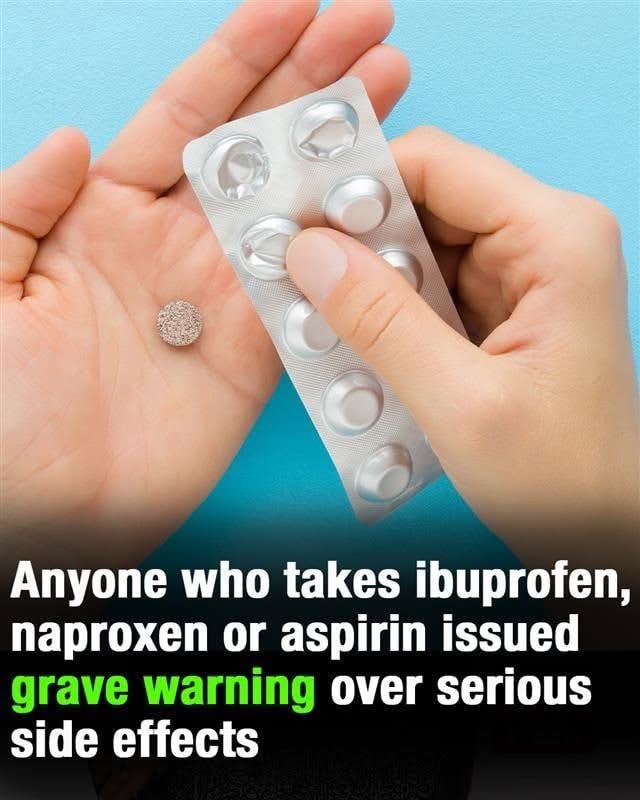
Medicines such as ibuprofen and naproxen can increase blood pressure in some people. Regular use may also affect kidney function and reduce the effectiveness of certain blood-pressure treatments.
Decongestants
Cold and sinus medicines containing pseudoephedrine or phenylephrine may raise blood pressure.
Before taking a new painkiller, cold remedy, or combination medication, ask your pharmacist whether it is suitable for someone with hypertension.
Always check the active ingredients rather than relying only on the product name.
8. Using Supplements or Ignoring Food Interactions
Natural supplements are not automatically safe to combine with prescription medication.
Some herbal products can affect how amlodipine works. St. John’s wort, for example, is listed by the NHS as a product that may interact with amlodipine.
Grapefruit and grapefruit juice are also worth checking. Some official medicine guidance advises people taking amlodipine to avoid them because they may increase the chance of side effects. Product information can vary, so follow the leaflet supplied with your medication and ask your pharmacist.
Before taking any new vitamin, supplement, herbal remedy, or medicinal product, tell your healthcare professional that you use amlodipine.
<!–nextpage–>
What Are the Common Side Effects of Amlodipine?
Amlodipine is generally well tolerated, but some people experience side effects.
Common side effects include:
Swelling around the ankles, feet, or lower legs
Headaches
Dizziness
Flushing or facial warmth
Tiredness
Palpitations
Nausea or stomach discomfort
Some side effects become less noticeable as the body adjusts to the medication. However, persistent or worsening symptoms should be discussed with your doctor.
Seek urgent medical attention if you experience fainting, severe chest pain, difficulty breathing, or signs of a serious allergic reaction.
Do not assume that every new symptom is caused by amlodipine. A healthcare professional can help determine what is happening.
6 Simple Habits That Support Better Blood Pressure Control
Along with taking your medication as prescribed, consider building these habits into your daily routine.
1. Monitor your blood pressure. Home readings can help you and your doctor understand how well your treatment is working.
2. Choose heart-healthy foods. Eat more vegetables, fruits, whole grains, beans, and appropriate sources of lean protein.
6. Attend follow-up appointments. Your healthcare professional can review your readings, medication, and possible side effects.
Frequently Asked Questions
Can I take amlodipine on an empty stomach?
Yes. Amlodipine can generally be taken with or without food. Try to take it at approximately the same time each day.
Can I stop taking amlodipine if my blood pressure becomes normal?
No. Do not stop the medication without speaking to your doctor. Normal readings may mean that your current treatment is working.
Does salt make amlodipine less effective?
A high-sodium diet can make blood pressure more difficult to control, even when you take your medication correctly. Reducing excess salt can support your overall treatment plan.
Can I take ibuprofen while using amlodipine?
Ibuprofen may raise blood pressure in some people. Ask a pharmacist or doctor before using it, especially regularly or for several days.
Does amlodipine cause swollen ankles?
Yes. Swelling around the ankles and feet is a recognized side effect. Contact your healthcare professional if it is persistent, painful, or worsening.
Should I check my blood pressure while taking amlodipine?
Yes. Home monitoring can provide useful information about how well your blood pressure is controlled. Your doctor can recommend how often to measure it and what readings are appropriate for you.
The Bottom Line: Small Daily Choices Matter
Amlodipine can be an effective medication for managing high blood pressure, but your daily habits remain an important part of cardiovascular health.
Missing doses, stopping treatment without medical advice, eating excessive amounts of salt, smoking, drinking too much alcohol, and using certain medicines or supplements without checking can all make blood-pressure management more difficult.
The goal is not to live in fear of everyday activities. It is to understand which choices may affect your treatment and make informed decisions.
Take your medication as prescribed, monitor your blood pressure, and talk to your healthcare professional before making changes. Your heart deserves consistent care.
Medical Disclaimer: This article is for educational purposes only and does not replace professional medical advice. Never stop, reduce, or change prescribed amlodipine without consulting your healthcare professional.