These Are the Consequences of Bathing With Very Hot Water — What the Image Really Shows
Another common condition is seborrheic dermatitis.
It often affects areas rich in oil-producing glands, particularly the scalp.
It can produce:
Red or inflamed skin
Flaking
Greasy scales
White or yellowish scales
Itching
Persistent dandruff
Some people have mild symptoms while others experience repeated flare-ups.
Heat, harsh products, stress, sweating, and other individual triggers may contribute to symptoms.
A dermatologist can determine whether the problem is seborrheic dermatitis, psoriasis, contact dermatitis, eczema, or another condition.
Scalp Psoriasis Is Another Possibility
Psoriasis can also affect the scalp.
Scalp psoriasis often produces inflamed areas covered by thicker scales.
One clue that can distinguish psoriasis from ordinary dandruff is that psoriasis may extend beyond the hairline and may also affect other areas of the body.
People with psoriasis can develop symptoms around the elbows, knees, lower back, or nails, although the presentation varies.
A photograph of a red scalp cannot reliably distinguish psoriasis from seborrheic dermatitis or other conditions.
That’s why diagnosing yourself from a viral image is risky.
Don’t Scrub Your Scalp Aggressively
Another common bathing mistake is believing that harder scrubbing means better cleaning.
It doesn’t.
The scalp doesn’t need to be aggressively scratched with fingernails or scrubbed until it feels extremely clean.
Aggressive scratching can:
Irritate the skin
Create small injuries
Increase inflammation
Make itching worse
Potentially introduce bacteria into damaged skin
When shampooing, use your fingertips rather than digging your fingernails into the scalp.
Massage gently.
If the scalp hurts while you’re washing it, that’s a reason to change your technique.
Avoid Scratching an Itchy Scalp
An itchy scalp creates a difficult cycle.
You feel itching, so you scratch.
Scratching temporarily relieves the sensation, but it can irritate the skin further.
The irritated skin then becomes more sensitive, producing more itching.
This can lead to repeated scratching and inflammation.
Keeping fingernails short and using appropriate treatment for the underlying cause can help interrupt this cycle.
If itching is severe or persistent, treating the underlying skin condition is more useful than simply trying to resist scratching.
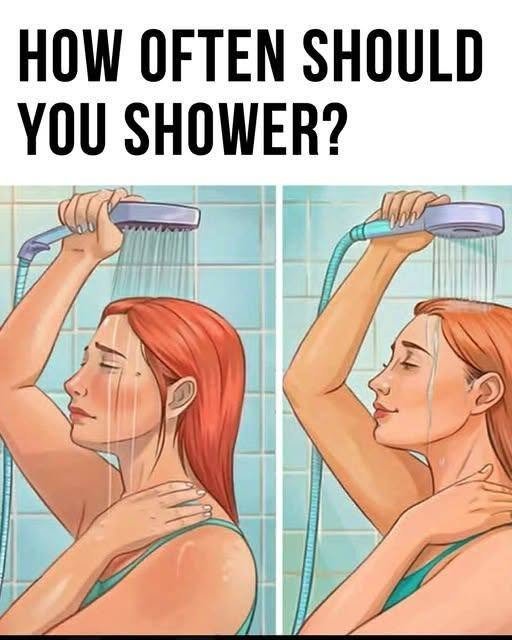
What Happens When You Shower Every Day?
Daily showering is not automatically harmful.
Some people need to shower daily because of work, exercise, sweating, climate, or personal preference.
Others have very dry or sensitive skin and may benefit from shorter or less frequent full-body washing.
The important factors include:
Water temperature
Shower duration
Cleansing products
Skin type
Climate
Sweating
Existing skin conditions
There is no universal rule saying that everyone should shower exactly once a day or avoid showering every day.
Keep Showers Reasonably Short
Long showers expose your skin to water, heat, and cleansing products for a longer period.
For people with dry or eczema-prone skin, shorter showers can help reduce irritation.
A practical routine is:
Use warm or lukewarm water.
Keep the shower reasonably short.
Use a gentle cleanser.
Avoid aggressive scrubbing.
Rinse thoroughly.
Pat rather than aggressively rub the skin dry.
Moisturize dry areas soon afterward.
You don’t need to spend half an hour under extremely hot water to become clean.
Don’t Wash Your Hair With Extremely Hot Water
Hair itself isn’t living tissue once it grows out of the scalp, but the scalp underneath it is living skin.
Very hot water can contribute to dryness and irritation of the scalp.
If you notice that your scalp feels tight or itchy after every shower, try reducing the water temperature.
You may notice a difference without changing anything else.