WARNING: STOP Taking These Pills If You Have High Blood Pressure? What You Need to Know
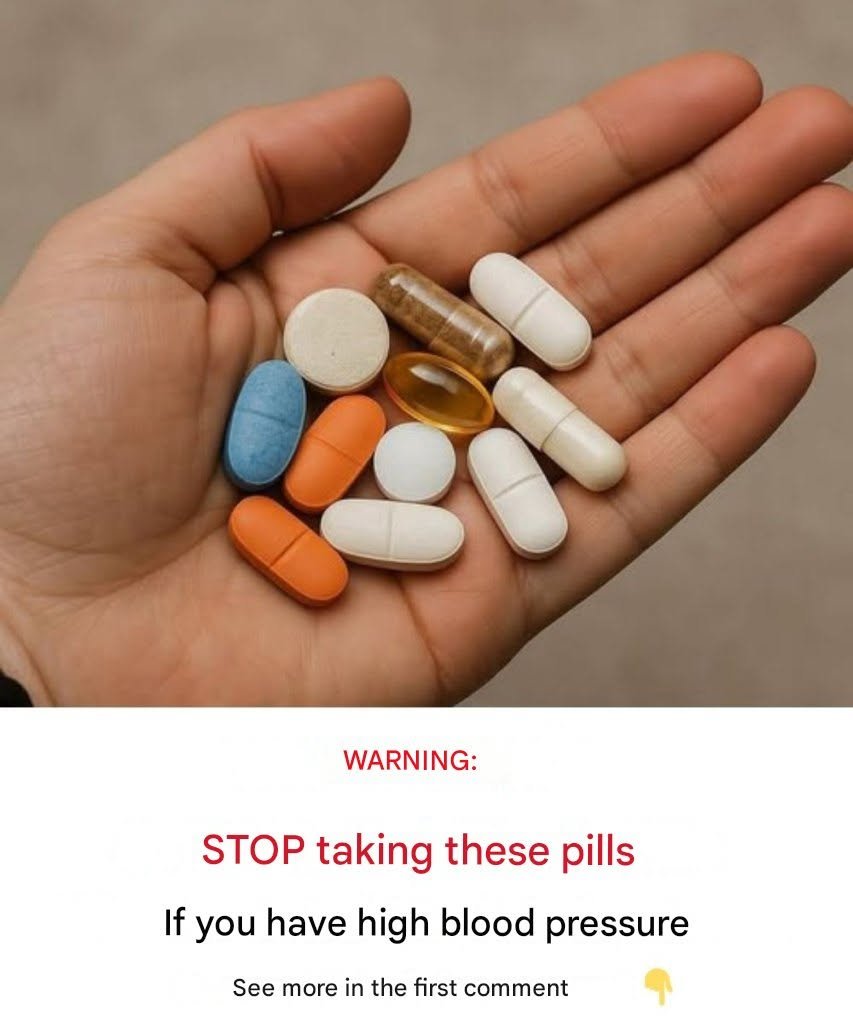
A picture showing a handful of pills with the warning “STOP taking these pills if you have high blood pressure” may look alarming, but there is an important problem with this message: you cannot identify a medicine simply by looking at a generic photograph of different pills.
More importantly, people with high blood pressure should not stop prescribed medication on their own just because they see a warning on social media. Some medicines and supplements can raise blood pressure or interfere with blood-pressure treatment, but the correct response is usually to identify the specific medicine and discuss it with a doctor or pharmacist. The American Heart Association specifically advises people not to stop prescribed medicines without speaking with their healthcare professional.
The good news is that there are several common categories of medicines that people with hypertension should know about.
Why Some Medicines Can Raise Blood Pressure
Blood pressure is influenced by several systems in the body, including the kidneys, blood vessels, nervous system and hormones. Some medicines can cause the body to retain sodium and water, narrow blood vessels, increase heart activity, or interfere with the action of blood-pressure medications.
This does not mean that everyone who takes these medicines will develop dangerous hypertension. The effect depends on the medicine, dose, duration of use, individual health conditions and other medications being taken.
That is why identifying the exact medication is important.
1. Certain Painkillers
One of the most important groups to be aware of is nonsteroidal anti-inflammatory drugs (NSAIDs).
Common examples include:
Ibuprofen
Naproxen
Indomethacin
Some other anti-inflammatory pain medicines
NSAIDs can cause the body to retain sodium and water and can affect kidney function. These effects may contribute to higher blood pressure in some people. They can also interfere with the effectiveness of certain blood-pressure medicines.
This does not mean someone should immediately throw away their pain medication. If you regularly use an NSAID and have hypertension, ask your doctor or pharmacist whether it is appropriate for you and whether another option would be safer.
2. Decongestants Found in Cold Medicines
This is another category that deserves particular attention.
Many people take cold and flu medicines without realizing that a combination product may contain a decongestant.
Examples include ingredients such as:
Pseudoephedrine
Phenylephrine
Ephedrine
Naphazoline
Oxymetazoline
Decongestants work partly by narrowing blood vessels. That can help relieve nasal congestion, but the same action can also increase blood pressure. This is particularly important for people whose hypertension is severe or poorly controlled.
Before taking a cold, flu, allergy or sinus product, read the ingredients carefully. If you have high blood pressure, ask a pharmacist to help you choose an appropriate product.
3. Some Steroid Medicines
Certain corticosteroids, including medicines such as prednisone and methylprednisolone, can affect blood pressure.
These medicines have legitimate medical uses and can be extremely important for some patients. Therefore, they should not simply be discontinued because someone has hypertension.
Instead, if your blood pressure increases while taking a corticosteroid, contact your healthcare professional. The doctor can determine whether the medicine, dosage, treatment duration or another factor may be contributing to the problem. The American Heart Association lists systemic corticosteroids among substances that can potentially raise blood pressure.
4. Some Antidepressants and Other Prescription Medicines
Certain prescription medications can affect blood pressure.
Examples include some antidepressants and certain medicines used for mental-health conditions. Some medications used after organ transplantation can also contribute to elevated blood pressure.
However, this is exactly why social-media advice saying “stop these pills” can be dangerous.
A medication may have been prescribed because its benefits are important for your health. If there is a possible effect on blood pressure, the healthcare professional can decide whether monitoring, changing the dose or switching medicines is appropriate.
5. Stimulants
Some stimulant medications can increase heart rate and blood pressure.
For example, stimulant medicines used for certain conditions can require regular blood-pressure monitoring.
People taking these medicines should follow their prescription and discuss any significant changes in blood pressure with their healthcare professional rather than stopping treatment suddenly.
6. Certain Supplements and Herbal Products
The word “natural” does not automatically mean “safe.”
Some herbal products and supplements can affect blood pressure or interfere with blood-pressure medicines.
Examples that have been associated with blood-pressure effects include:
Ephedra
Ginseng
Licorice
Guarana
Some stimulant-containing supplements
Mayo Clinic and the American Heart Association both recommend discussing supplements and herbal products with a healthcare professional because they can interact with medications or affect blood pressure.