WARNING: Taking Amlodipine? These 8 Habits Can Interfere With Your Treatment
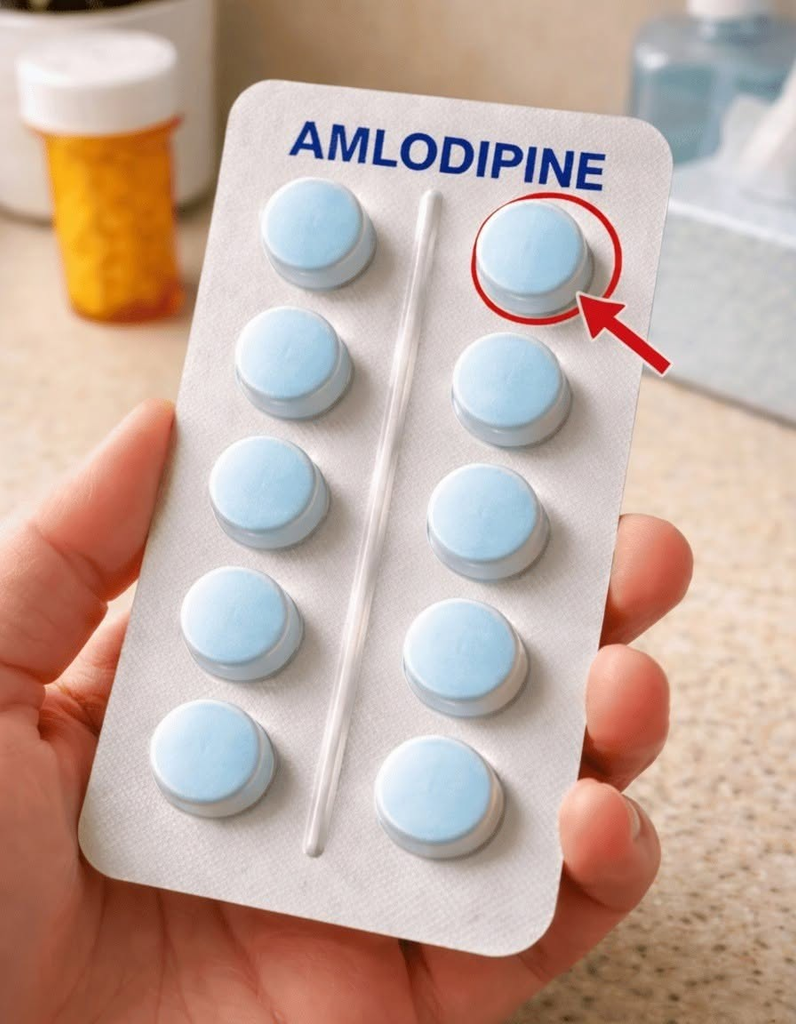
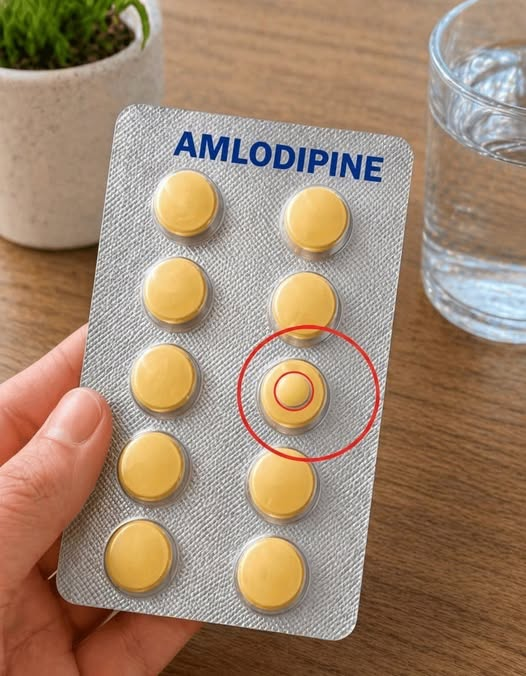
Amlodipine is a commonly prescribed medicine for high blood pressure and certain types of angina. It belongs to a group of medicines called calcium-channel blockers and works mainly by relaxing and widening blood vessels, making it easier for blood to circulate and helping lower blood pressure.
Because amlodipine is often taken every day for long periods, everyday habits can matter. However, viral posts sometimes exaggerate these interactions and make ordinary foods sound dangerous. The goal should not be to become afraid of everything you eat or drink. Instead, it is important to understand which habits can genuinely cause problems, which ones require caution, and which popular warnings are overstated.
Here are eight habits worth discussing if you take amlodipine.
1. Stopping Amlodipine Because You Feel Better
One of the most important mistakes is deciding to stop the medication without speaking with a healthcare professional.
High blood pressure often produces few or no obvious symptoms. That means you can feel perfectly normal while your blood pressure remains elevated.
Amlodipine is generally taken once daily, and treatment may continue for a long time. If your blood pressure improves, that may actually mean the medication and your overall treatment plan are working.
Stopping prescribed treatment on your own can allow blood pressure to rise again.
If you believe you no longer need amlodipine, the safer approach is to discuss your blood-pressure readings and treatment with your doctor or pharmacist rather than simply throwing the tablets away.
A better habit
Take the medicine exactly as prescribed and try to take it at approximately the same time each day.
If you experience troublesome side effects, don’t silently stop treatment. Ask whether your dose, timing, or medication should be changed.
2. Taking a Double Dose After Missing One
Another common mistake is trying to “make up” for a forgotten tablet by taking two doses together.
This is not a good strategy.
If you forget your amlodipine, the appropriate instructions depend on how long it has been since the missed dose and the instructions supplied with your particular prescription.
General patient guidance says that if it is close to the next scheduled dose, the missed dose should be skipped rather than doubled. You should not take two doses at the same time to compensate for a missed tablet.
Taking more medication than prescribed can increase the risk of excessive blood-pressure lowering and related symptoms such as dizziness or fainting.
A better habit
Use a simple reminder:
Take your tablet at the same time every day.
Keep a medication calendar.
Use a phone reminder.
If you aren’t sure what to do after missing a dose, ask a pharmacist.
Do not guess.
3. Drinking Too Much Alcohol
Alcohol deserves attention when you’re taking amlodipine.
Amlodipine lowers blood pressure. Alcohol can also contribute to lower blood pressure and may make dizziness or lightheadedness more likely.
Some people may therefore notice:
Dizziness
Weakness
Sleepiness
Lightheadedness when standing
Headache
Feeling faint
The risk can be greater when someone drinks a large amount of alcohol.
This doesn’t mean that every person taking amlodipine will have a serious reaction to a small amount of alcohol. Individual circumstances differ, including age, dose, other medications, liver function, and general health.
A better habit
If you drink alcohol, be cautious about how it affects you.
If you become dizzy or unusually sleepy, avoid further alcohol and discuss the symptoms with a healthcare professional.