What Happens to Your Body When You Eat Cashews? 7 Benefits and Important Precautions
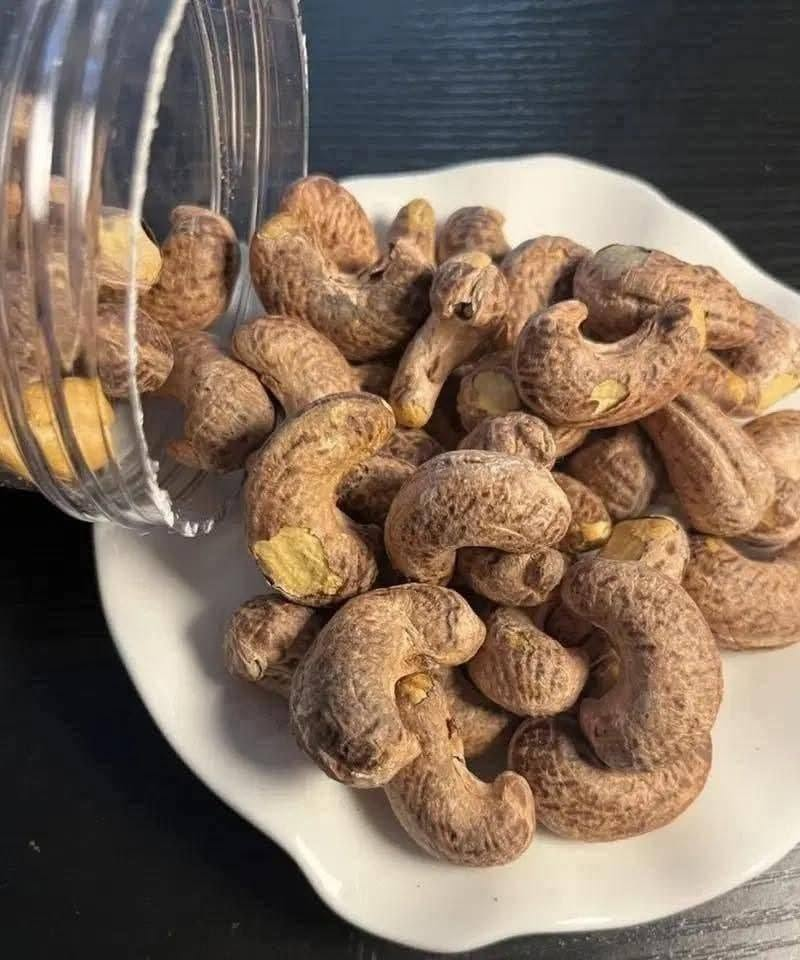
Cashews are among the most popular nuts in the world, known for their creamy texture, delicate sweetness, and versatility in both sweet and savory dishes. Whether you enjoy them as a snack, sprinkle them over a salad, or blend them into a creamy sauce, these kidney-shaped nuts offer a variety of nutrients that can support a balanced diet.
But what actually happens to your body when you eat cashews regularly? Can they support heart health, help manage hunger, or provide nutrients that your body needs as you age? And are there any situations in which eating too many cashews could cause problems?
The answers are more interesting than many people realize.
Cashews contain unsaturated fats, plant-based protein, vitamins, and minerals. They can be a nutritious addition to many eating patterns, although their benefits depend on portion size, preparation, and your individual health needs.
Let’s explore seven potential benefits of cashews, the precautions worth knowing, and how to enjoy them as part of a healthy diet.
1. Cashews May Support Heart Health
One of the most important nutritional features of cashews is their fat content.
Although cashews are relatively high in fat, much of that fat is unsaturated. Replacing foods rich in saturated fat with foods containing unsaturated fats can help support healthier blood cholesterol levels.
Cashews also contain plant compounds that contribute to their nutritional value, along with minerals such as magnesium and copper.
Research has examined whether eating cashews can improve cholesterol levels. Some clinical evidence suggests that incorporating cashews into a balanced diet may help lower total cholesterol and LDL cholesterol, often called the “bad” cholesterol. However, the results should not be interpreted as proof that cashews alone prevent heart disease.
How to enjoy them: Choose plain or lightly roasted cashews instead of varieties heavily coated in salt, sugar, or other flavorings. A small handful can be a convenient snack or an alternative to less nutritious packaged foods.
Remember that overall eating habits, physical activity, blood pressure management, and other lifestyle factors also play important roles in cardiovascular health.
2. They Provide Minerals That Support Normal Body Functions