Why Seniors Should Consider Wearing Socks at Home: Comfort, Warmth, Circulation, and Safety
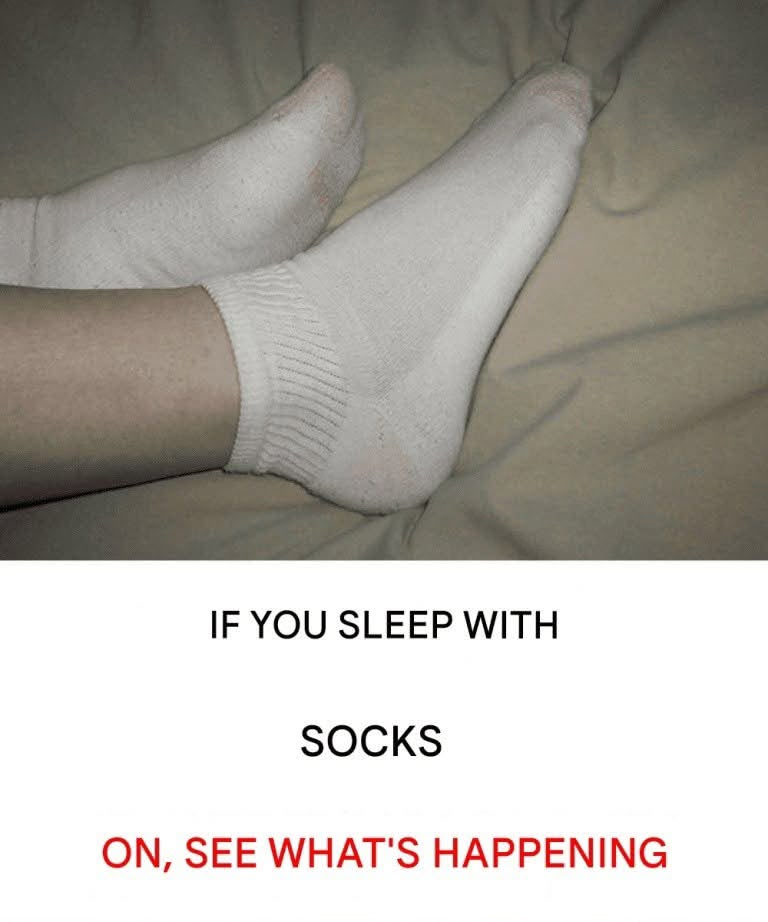
As people get older, small changes in daily habits can make a surprisingly big difference in comfort and safety. One simple habit that may help some seniors is wearing comfortable socks at home, especially when the floors are cold or when going barefoot creates a risk of slipping, stepping on something sharp, or developing irritated skin.
However, the idea that every older adult must sleep or walk around the house wearing socks is too broad. Socks can be helpful for some people, while others may be better off without them in certain situations. The important thing is choosing the right type of sock and paying attention to the condition of the feet.
Here are some of the main reasons seniors may benefit from wearing socks at home.
1. Socks Help Keep the Feet Warm
Older adults often notice that their hands and feet feel colder than they used to.
This can happen for several reasons. Aging can affect the body’s ability to regulate temperature, and older people may have less muscle mass and a different distribution of body fat than when they were younger. Some people also become less physically active, which can reduce heat production.
Cold floors can make the problem more noticeable.
A comfortable pair of socks provides an insulating layer between the skin and the surrounding environment. This can make walking around the house more comfortable during cold mornings, evenings, or winter months.
Warm feet can also make it easier to relax at bedtime. Some people find that warming their feet before going to sleep helps them feel more comfortable.
That doesn’t mean thick socks are always better. Extremely heavy socks can cause sweating and overheating. A lightweight, breathable pair may be enough.
2. They Can Provide a Layer of Protection
Bare feet are exposed to many small hazards around the home.
A person can accidentally step on:
Small pieces of glass
Splinters
Sharp objects
Toys
Pet-related debris
Rough flooring
Hot surfaces
Cold floors
Small objects that are difficult to see
For a younger person, stepping on a small object may simply be uncomfortable. For an older adult, especially someone with reduced sensation in the feet, the injury may not be noticed immediately.
Socks provide an additional protective layer.
They don’t make the feet completely protected, but they can reduce direct contact with minor irritants and debris.
For greater protection while walking around the house, however, socks with non-slip soles or properly fitting indoor footwear can be more useful than ordinary smooth socks.
3. Non-Slip Socks May Reduce Certain Household Risks
One important distinction is between ordinary socks and non-slip socks.
Traditional socks can actually make some floors more slippery, particularly smooth tile, polished wood, or laminate.
This is why seniors who have difficulty with balance should be careful about walking around in regular socks.
Non-slip socks have rubberized or textured areas on the bottom that can provide additional traction. Properly fitting slippers or indoor shoes with secure soles can also be a good option.
For someone at increased risk of falling, the goal isn’t simply:
“Wear socks.”
The better goal is:
“Keep the feet warm while maintaining good traction and stability.”
A sock that makes someone slide across the floor isn’t a good safety choice.