10 “Super Drinks” for Proteinuria? What Foamy Urine Really Means and How to Protect Your Kidneys
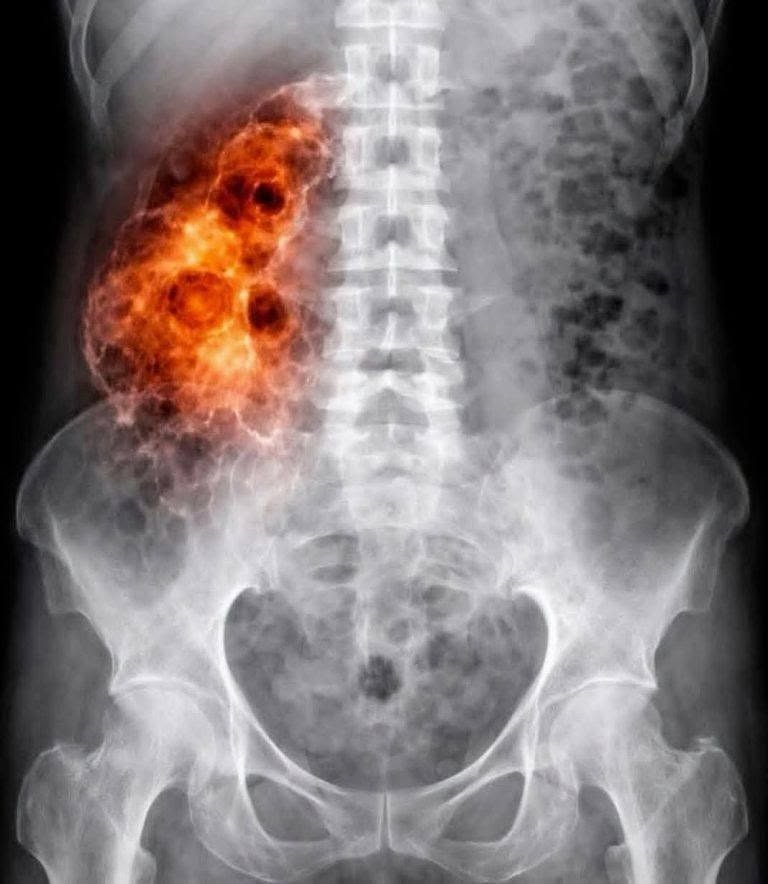
The image claims that drinking certain beverages can “stop proteinuria fast and heal the kidneys fast.” It shows a foamy drink being replaced by mint and lemon water, followed by an illustration of a damaged kidney becoming healthy.
The idea is appealing, but the claim needs an important correction:
There is no drink that can reliably stop proteinuria quickly or “heal” damaged kidneys.
Some beverages can be part of a kidney-friendly lifestyle, but persistent protein in the urine is a medical finding that needs to be investigated. The right treatment depends on why the protein is appearing in the urine.
Foamy urine can sometimes be caused by proteinuria, but occasional foam is also common and can happen because urine is concentrated, is released with force, or because of temporary factors such as dehydration or strenuous exercise. Persistent or increasingly foamy urine deserves medical evaluation. (National Kidney Foundation)
Here are 10 sensible drink choices and hydration habits that can support overall kidney health—without pretending they are cures.
1. Plain Water
For most people, plain water is the simplest and most useful drink for maintaining normal hydration.
Your kidneys need an appropriate amount of water to perform their normal functions.
However, more water is not always better.
Drinking excessive amounts of water does not wash protein out of the kidneys or repair damaged kidney filters.
People with advanced kidney disease, heart failure, or certain other medical conditions may actually have individualized fluid restrictions.
So the goal isn’t to force yourself to drink enormous quantities.
Instead, drink an appropriate amount for your body and medical situation.
If your urine is consistently very dark and you’re thirsty, dehydration may be contributing to concentrated urine.
But if you have persistent foamy urine, simply drinking more water should not be used as a substitute for testing.
2. Water With Lemon
Lemon water can be a pleasant alternative to sugary beverages.
Adding a few slices of lemon or a small amount of lemon juice to water can make it easier for some people to drink enough fluid.
But lemon water should not be described as a treatment for proteinuria.
It does not repair damaged kidney filters.
It does not remove albumin from the urine.
And it does not “clean” the kidneys.
The benefit is mainly that it can encourage a person to choose water instead of sugary drinks.
If you enjoy lemon water, there is generally nothing magical about the recipe.
The important part is the water—not the idea that lemon somehow scrubs the kidneys.
3. Unsweetened Herbal Tea
Some herbal teas can be a pleasant way to increase fluid intake without adding large amounts of sugar.
Examples include caffeine-free teas such as:
Peppermint tea
Chamomile tea
Ginger tea
Rooibos tea
But there is an important distinction between drinking an ordinary herbal tea and taking concentrated herbal supplements.
Some herbs can interact with medications or may not be appropriate for people with kidney disease.
A person with chronic kidney disease should be particularly careful about concentrated herbal products because “natural” does not automatically mean kidney-safe.
If you take prescription medication or already have kidney disease, ask a healthcare professional before regularly consuming concentrated herbal preparations.
4. Unsweetened Green Tea
Green tea can be included in a balanced diet for many people.
It contains plant compounds called polyphenols and can be a healthier alternative to sugary sodas or sweetened bottled drinks.
But it should not be marketed as a treatment for proteinuria.
Drinking green tea cannot replace evaluation of persistent albumin in the urine.
Also remember that green tea contains caffeine.
If caffeine affects your blood pressure, heart rhythm, anxiety, or sleep, you may need to limit it.
And concentrated green-tea extracts are very different from an ordinary cup of tea.
Supplements can contain much higher amounts of active compounds and should not be assumed to be safer simply because the original plant is familiar.