10 “Super Drinks” for Proteinuria? What Foamy Urine Really Means and How to Protect Your Kidneys
One of the most misleading ideas online is that the kidneys need to be “flushed” or “detoxed.”
Healthy kidneys already perform filtration and regulation continuously.
If kidney function is impaired, drinking a special mixture doesn’t simply restore the damaged filters.
Some commercial detox products can actually be problematic because they contain concentrated herbs, minerals, or other ingredients that may interact with medications or affect kidney function.
The National Kidney Foundation specifically advises people with kidney disease to discuss vitamins, minerals, herbs, weight-loss products, and bodybuilding supplements with their healthcare team because some can harm the kidneys. (National Kidney Foundation)
Natural does not automatically mean safe.
What About Excessive Water?
This is another common misconception.
If a little water is good, it might seem logical that a huge amount would be even better.
It isn’t.
Excessive water consumption can be dangerous because it can dilute sodium in the blood.
People with certain heart or kidney conditions may also have specific fluid limits.
So don’t force yourself to drink enormous quantities of water to try to make foamy urine disappear.
Drink an appropriate amount based on your thirst, environment, activity, and medical advice.
When Foamy Urine Should Be Checked
Make an appointment with a healthcare professional if foamy urine:
Happens frequently
Persists for several days
Is becoming more pronounced
Occurs with swelling
Occurs with high blood pressure
Occurs with diabetes
Occurs with unexplained weight changes
Occurs with changes in urination
Occurs with blood in the urine
Is accompanied by unusual fatigue
Swelling around the eyes, ankles, feet, legs, or abdomen can be particularly important when it occurs with significant protein loss. (National Kidney Foundation)
When to Seek Urgent Medical Attention
Foamy urine itself is usually not an emergency.
But seek prompt medical attention if urinary changes occur with severe symptoms such as:
Severe shortness of breath
Significant swelling
Very little or no urine
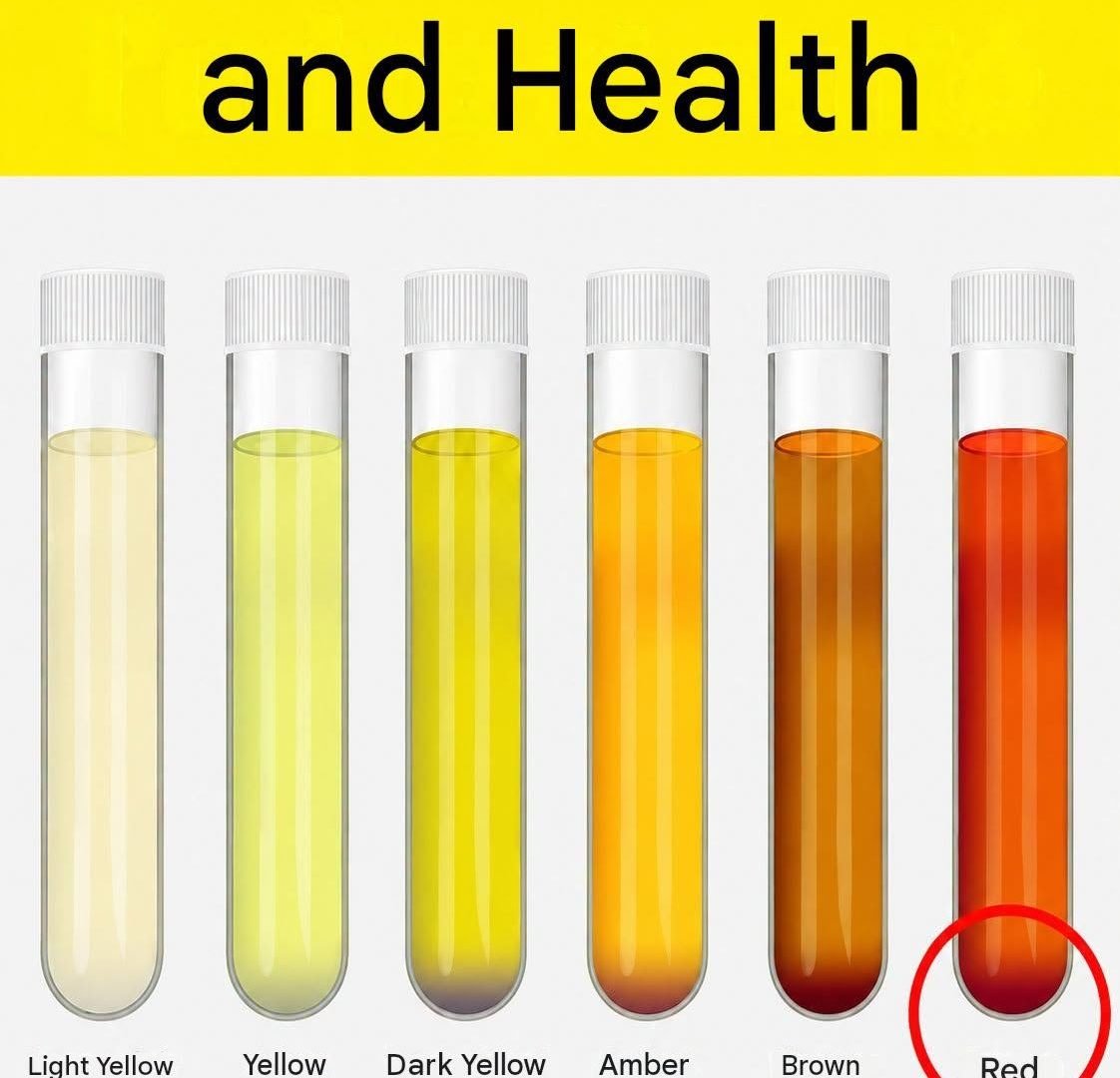
Blood-colored urine
Severe weakness
Confusion
Severe vomiting
Severe flank or abdominal pain
Rapidly worsening condition
These symptoms can have many causes, but they should not be managed with a homemade drink.
A Simple Kidney-Friendly Daily Approach
Instead of looking for one miracle beverage, think about the bigger picture.
A kidney-supportive lifestyle may include:
Drink appropriately
Choose water and other suitable low-sugar beverages according to your needs.
Control blood pressure
If you have hypertension, follow your treatment plan.
Control blood sugar
If you have diabetes, keeping glucose within your recommended range is important.
Reduce excessive sodium
High sodium intake can contribute to high blood pressure and fluid retention.
Maintain a healthy weight
If you are overweight, gradual weight management may benefit overall metabolic and kidney health.
Avoid smoking
Smoking can contribute to cardiovascular and kidney problems.
Be careful with medications
Some pain relievers, particularly NSAIDs such as ibuprofen and naproxen, may need to be limited or avoided in people with chronic kidney disease. Discuss regular use with a healthcare professional. (National Kidney Foundation)
Don’t take unnecessary supplements
Especially avoid assuming that an herbal “kidney cleanse” is harmless.
The Biggest Myth in the Image
The phrase “stop proteinuria fast and heal kidneys fast” is the part that should be treated with the most skepticism.
There is no universal drink that can accomplish that.
Proteinuria can have different causes.
The appropriate treatment depends on what is causing it, how much protein is present, how the kidneys are functioning, and what other health conditions the person has.
Sometimes protein in the urine is temporary.
Sometimes it is an early warning sign of kidney disease.
Sometimes it is related to diabetes or high blood pressure.
Sometimes it reflects a specific kidney disorder requiring specialized treatment.
A glass of lemon water cannot distinguish between these possibilities.
A urine test can.
Final Thoughts
Foamy urine is one of those symptoms that can be easy to dismiss—or easy to panic about.
The truth is somewhere in between.
Occasional bubbles are common and do not automatically mean kidney disease.
But persistent or increasingly foamy urine can sometimes indicate protein in the urine, and proteinuria deserves proper evaluation.
The best “kidney drink” is not a secret recipe containing ten special ingredients.
For most people, it’s simply an appropriate amount of water and a diet that supports overall health.
More importantly, protecting the kidneys means addressing the conditions that can damage them: controlling blood pressure, managing diabetes when present, avoiding harmful habits and unnecessary supplements, using medications appropriately, and getting kidney function and urine albumin checked when indicated.
If you repeatedly notice unusually foamy urine, don’t spend weeks trying different detox drinks hoping the foam will disappear.
Get the urine tested.
That’s the step that can actually tell you whether protein is present—and, if it is, help determine what should happen next.