7 Foods That May Support Digestive Health — But Do They Really Kill Intestinal Worms?
The idea that certain foods can “kill intestinal worms” is extremely popular online. Garlic, pumpkin seeds, papaya, ginger, turmeric, pineapple, and several other foods are frequently presented as natural alternatives to deworming medicine.
Some of these foods contain interesting compounds that have been studied in laboratory experiments. However, there is an important difference between a food being nutritious or showing activity against parasites in a laboratory and proving that eating that food will eliminate intestinal worms in a person.
Food alone should not be considered a reliable treatment for a confirmed intestinal worm infection.
Intestinal worms are real infections caused by different types of parasites. Depending on the parasite, treatment may require specific medication. The appropriate treatment also depends on the type of worm, the person’s age, pregnancy status, other health conditions, and where the infection was acquired.
That doesn’t mean foods are irrelevant. A nutritious diet can support general health and normal digestion, and some foods contain compounds researchers continue to study. But they should be viewed as part of a healthy diet rather than guaranteed “worm killers.”
Here are seven foods commonly associated with natural parasite remedies and what we actually know about them.
1. Garlic
Garlic is probably one of the most famous foods associated with natural parasite remedies.
It contains sulfur-containing compounds, particularly compounds formed when garlic is crushed or chopped.
One of the best-known is allicin, which contributes to garlic’s characteristic smell and flavor.
Laboratory research has investigated garlic and compounds derived from garlic against various microorganisms and parasites.
That sounds promising, but laboratory activity doesn’t automatically mean that eating raw garlic will eliminate worms living inside the human intestine.
The amount of an active compound that reaches a parasite inside the body can be very different from the concentration used in a laboratory experiment.
Why Garlic Is Still Worth Eating
Garlic can absolutely be part of a healthy diet.
It adds flavor without requiring large amounts of salt, and it contains a variety of plant compounds.
You can use it in:
Soups
Stews
Vegetables
Beans
Fish
Chicken
Sauces
Salads
Whole-grain dishes
But garlic should not be used as a substitute for appropriate treatment if a worm infection has been diagnosed.
Eating several cloves of raw garlic is not a proven deworming treatment.
It can also cause stomach irritation, heartburn, nausea, or digestive discomfort in some people.
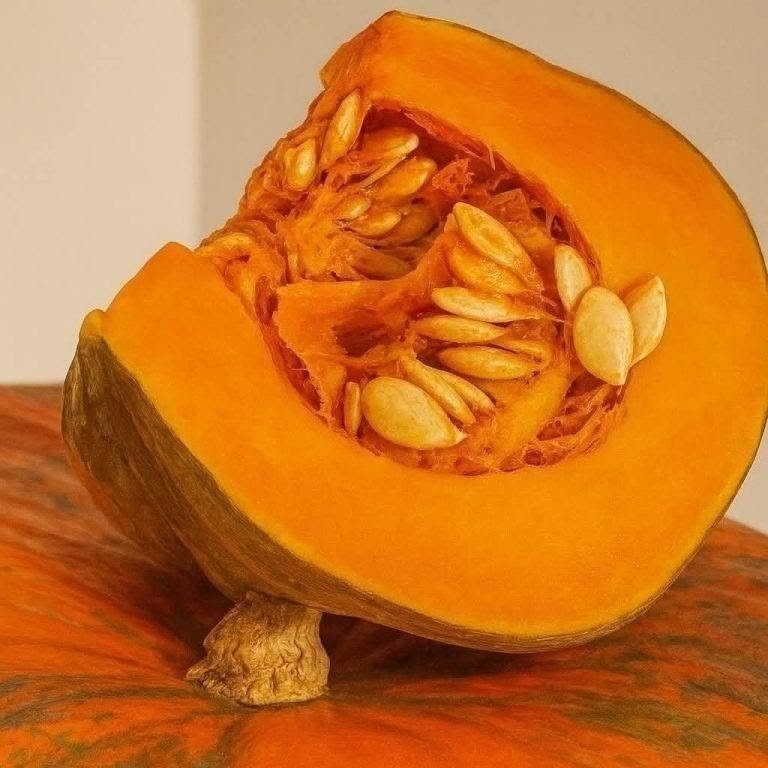
2. Pumpkin Seeds
Pumpkin seeds are another food frequently promoted as a natural treatment for intestinal worms.
They contain protein, healthy fats, minerals, fiber, and various plant compounds.
Some laboratory and traditional research has investigated compounds in pumpkin seeds in relation to intestinal parasites.
However, evidence that simply eating pumpkin seeds reliably eliminates human intestinal worm infections is not strong enough to treat them as a replacement for proven antiparasitic medication.
That doesn’t make pumpkin seeds a bad food.
Quite the opposite.
They can be a nutritious addition to meals.
Try adding them to:
Oatmeal
Yogurt
Salads
Soups
Homemade granola
Vegetable dishes
Whole-grain cereals
If you enjoy pumpkin seeds, eat them because they’re nutritious and flavorful—not because you expect them to eliminate a parasite.
3. Papaya
Papaya is another fruit commonly mentioned in natural parasite remedies.
The fruit contains vitamin C, carotenoids, fiber, and other plant compounds.
Papaya seeds are particularly popular in traditional remedies.
Some experimental research has investigated papaya seeds and parasite-related effects, but this does not establish them as a reliable treatment for intestinal worms in humans.
There is a significant difference between:
“This plant contains compounds that researchers are studying.”
and:
“Eating this plant will kill intestinal worms.”
The second statement requires strong clinical evidence.
Enjoy the Fruit Safely
The edible papaya fruit can be a nutritious part of a balanced diet.
It can be eaten fresh, added to fruit salads, blended into smoothies, or combined with yogurt.
But concentrated preparations of seeds or extracts deserve more caution than ordinary food portions.
Natural products can contain biologically active compounds, and “natural” does not automatically mean harmless in large amounts.