Swollen Ankles: Common Causes, What You Can Do at Home, and When to Seek Medical Care
Swollen ankles are a common problem that can happen after a long day of standing, sitting for many hours, traveling, exercising, or simply spending more time on your feet than usual. Sometimes the swelling is temporary and goes away after resting, while in other situations it can be a sign that something needs medical attention.
If you have noticed puffiness around one or both ankles, it is important to look at the bigger picture. When did the swelling begin? Is it on one side or both sides? Is there pain, redness, warmth, shortness of breath, or another symptom? These details can help determine whether the swelling is likely to be minor or whether you should contact a healthcare professional.
This article explains common reasons ankles can become swollen, simple measures that may help with mild swelling, and warning signs that should not be ignored.
What Does a Swollen Ankle Mean?
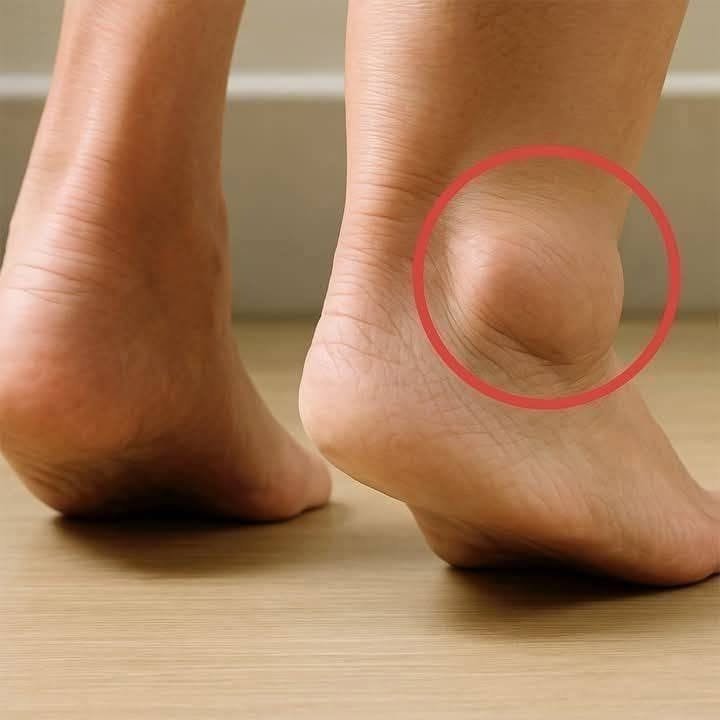
Ankle swelling occurs when excess fluid accumulates in the tissues around the ankle and lower leg. The medical term often used for swelling caused by fluid buildup is edema.
You may notice that your ankle looks larger than usual, the skin feels tight, or your shoes and socks leave deeper marks than they normally do.
Sometimes pressing gently on the swollen area leaves a temporary indentation. This is known as pitting edema.
Swelling can affect one ankle or both ankles. The cause can be very different depending on which pattern you have.
For example, swelling after an ankle injury may occur primarily on the affected side, while swelling associated with prolonged standing may affect both feet and ankles.
Common Causes of Swollen Ankles
There are many possible explanations for ankle swelling. Some are temporary and relatively harmless, while others require medical evaluation.
1. Standing or Sitting for a Long Time
One of the most common reasons for temporary ankle swelling is staying in the same position for an extended period.
When you stand for hours, gravity encourages blood and fluid to accumulate in the lower parts of the body.
Similarly, sitting for a long time, particularly with your legs down, can contribute to swelling.
This is why some people notice that their ankles look more swollen at the end of the day and improve after sleeping or elevating their legs.
Taking regular movement breaks can help promote circulation.
2. Ankle Injury
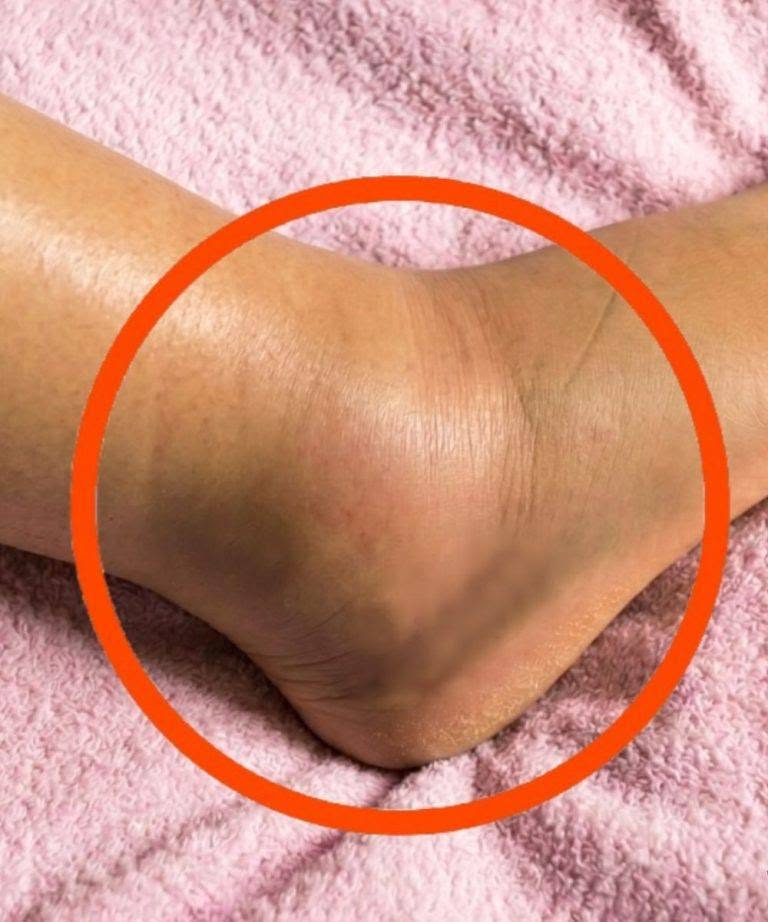
An ankle sprain, strain, or other injury can cause localized swelling.
If you twist your ankle, the surrounding tissues can become inflamed. Swelling may appear shortly after the injury and can be accompanied by:
Pain
Bruising
Tenderness
Difficulty walking
Reduced range of motion
If you cannot put weight on the injured foot, the ankle looks deformed, or the pain is severe, medical assessment may be necessary.
3. Exercise and Physical Activity
Swelling can occasionally occur after unusual or intense physical activity.
For example, if you suddenly increase your walking distance, spend a long time hiking, or perform exercises your body isn’t accustomed to, your feet and ankles may feel uncomfortable afterward.
Rest and appropriate recovery can help with minor, temporary discomfort.
However, persistent or significant swelling shouldn’t automatically be attributed to exercise.
4. Pregnancy
Swelling in the feet and ankles can occur during pregnancy, particularly later in pregnancy.
Changes in hormones, increased blood volume, and pressure from the growing uterus can contribute to fluid retention and swelling in the lower limbs.
Mild swelling can be common, but sudden or severe swelling, especially when accompanied by symptoms such as a severe headache, vision changes, upper abdominal pain, or feeling very unwell, requires prompt medical attention because some pregnancy-related conditions can be serious.