If Your Feet Swell, It Could Be a Sign That Your Body Needs Attention: 12 Possible Causes You Should Know
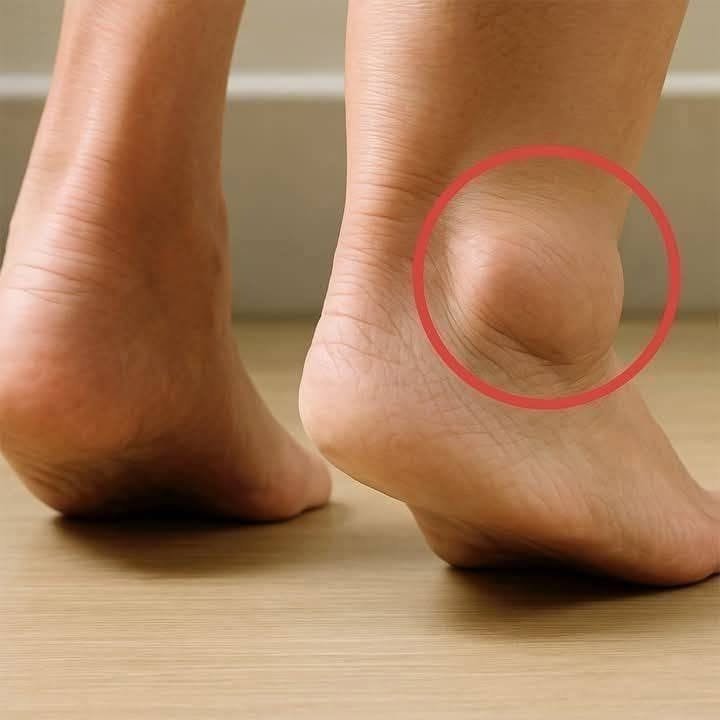
Swollen feet and ankles are something many people experience, especially after a long day of standing, sitting, traveling, or spending time in hot weather. Sometimes the swelling is temporary and harmless, disappearing after rest or a good night’s sleep. But in other situations, persistent or unusual swelling can be a sign that something else is happening inside the body.
The important thing to understand is that swollen feet are a symptom, not a diagnosis. There is no single disease that automatically causes every swollen ankle. The cause can range from something as simple as prolonged standing to problems involving the veins, heart, kidneys, liver, lymphatic system, medications, or an injury.
That is why it is important to look at the complete picture rather than assuming that swollen feet automatically mean a problem with one particular organ.
What Causes Feet and Ankles to Swell?
Swelling commonly occurs when excess fluid collects in the tissues of the lower legs and feet. This is often called edema.
Your body constantly moves fluid between the bloodstream and surrounding tissues. The veins and lymphatic system help return excess fluid to circulation. When this balance is temporarily disrupted, fluid can accumulate, particularly in areas affected by gravity.
Because the feet and ankles are at the lowest part of the body when you are standing, they can be particularly vulnerable to fluid accumulation.
This explains why someone might wake up with normal-looking feet but notice swollen ankles by the evening.
However, the pattern of swelling can provide useful clues.
1. Standing for Too Long
One of the most common reasons for swollen feet is simply spending many hours on your feet.
When you stand for a long time, gravity makes it more difficult for blood and fluid to move upward from your legs toward your heart.
The muscles in your legs normally help pump blood back upward when you walk and move. When you remain in one position for hours, this muscle activity decreases.
As a result, fluid may gradually collect around your ankles and feet.
This is particularly common among people who work in jobs requiring prolonged standing.
The swelling may become more noticeable toward the end of the day and improve after resting or elevating the legs.
2. Sitting for Long Periods Can Also Cause Swelling
You don’t have to stand all day to develop swollen feet.
Sitting for several hours can also contribute.
Long car journeys, airplane flights, desk work, watching television, or spending an entire day sitting can reduce movement in the lower legs.
When the legs remain still for extended periods, circulation can become less efficient.
Try changing position regularly and moving your feet and ankles.
If you are traveling for several hours, standing up and walking around periodically, when it is safe and practical, can help keep the legs moving.
3. Hot Weather May Make Swelling Worse
Some people notice that their feet and ankles become more swollen during hot weather.
Heat causes blood vessels near the surface of the skin to expand. This can affect fluid movement and contribute to swelling in the lower limbs.
If your ankles become slightly swollen after spending a hot day outdoors, particularly while standing or walking, the swelling may improve after cooling down and resting.
However, persistent swelling should not automatically be blamed on the weather.
If the swelling continues or becomes increasingly severe, another cause may need to be considered.
4. Eating Too Much Sodium
A diet high in sodium can cause the body to retain additional water.
This may temporarily increase puffiness or swelling in some people.
Highly processed foods can contain significant amounts of sodium, including processed meats, packaged snacks, instant meals, salty sauces, and certain fast foods.
Reducing excessive sodium intake can be part of a healthy diet.
However, salt is not the explanation for every case of swollen feet.
If you continue to experience unexplained swelling despite dietary changes, it is important to consider other possible causes.
5. Certain Medications Can Cause Swelling
Some medications can cause fluid retention as a side effect.
Medications used for blood pressure, certain diabetes medications, corticosteroids, and several other types of drugs can sometimes contribute to swelling.
If your feet started swelling shortly after beginning a new medication or changing a dose, tell your healthcare professional.
Do not stop a prescribed medication on your own.
A healthcare professional can determine whether the medication could be contributing to the swelling and whether an alternative treatment is appropriate.
6. Vein Problems Can Lead to Swollen Ankles
The veins in your legs have to transport blood upward against gravity.
They contain valves that help keep blood moving in the correct direction.
When these valves or veins do not work efficiently, blood can accumulate in the legs.
This can contribute to swelling around the ankles and feet.
People with chronic venous problems may also experience:
Heavy-feeling legs
Aching
Visible veins
Itching
Skin changes
Swelling that becomes worse after standing
In some cases, the swelling improves after lying down or elevating the legs.
Persistent symptoms should be evaluated rather than ignored.