What Do Purple Veins on Your Legs Mean? Understanding the Common Causes, Symptoms, and Treatment Options
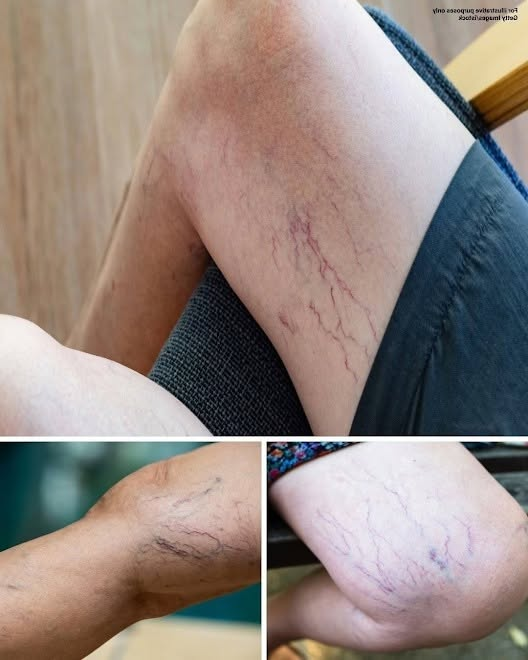
Have you noticed thin purple, blue, or reddish lines appearing on your legs? Perhaps they look like tiny branches beneath the skin, or maybe they form a web-like pattern around your thighs, calves, or knees.
These visible veins are common, and many people develop them as they get older. Sometimes, they are primarily a cosmetic concern. In other cases, they may be associated with underlying vein problems that deserve medical attention.
Purple veins can have several causes, including spider veins, varicose veins, hormonal changes, genetics, and conditions that affect blood circulation. Understanding the differences can help you decide whether simple observation is sufficient or whether it is time to speak with a healthcare professional.
The important thing to remember is that visible purple veins do not automatically mean you have poor circulation or a dangerous medical condition. Their appearance, associated symptoms, and any changes over time help determine whether further evaluation is necessary.
1. What Are Purple Veins on the Legs?
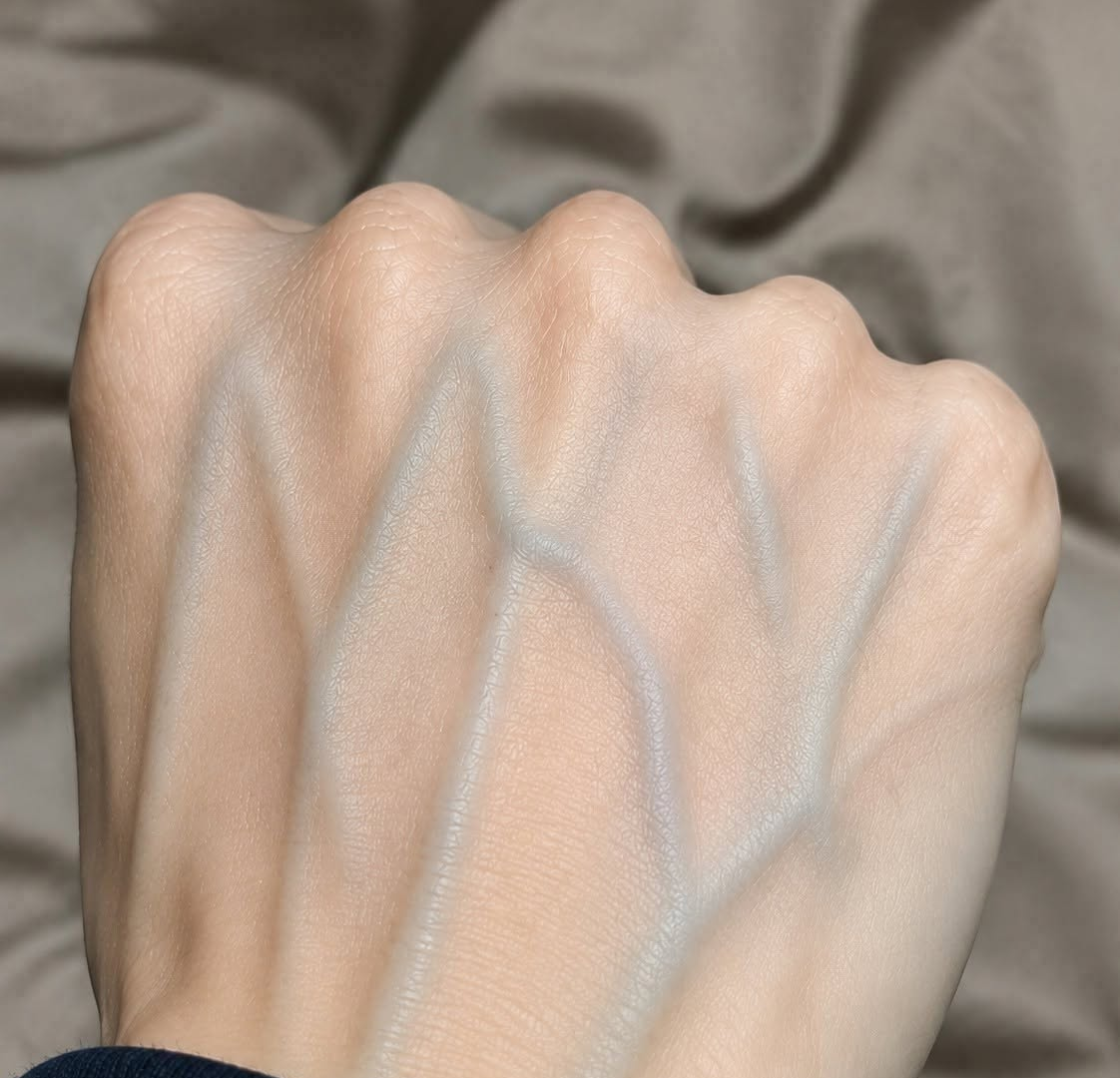
Purple veins are blood vessels that have become visible through the skin. They may appear as fine lines, branching networks, or larger, raised veins.
The skin on the legs varies in thickness, pigmentation, and underlying tissue. As a result, superficial blood vessels can be more noticeable in some people than in others.
The color may range from red and violet to blue or dark purple. Lighting, skin tone, the depth of the vessels, and the amount of blood within them can influence their appearance.
Three common types of visible leg veins are worth understanding.
Spider veins
Spider veins are small, superficial blood vessels that appear as thin red, blue, or purple lines. They may resemble a spiderweb or a network of tiny branches.
They commonly occur on the thighs, calves, ankles, and around the knees.
Spider veins are usually flat and do not cause serious medical problems. Some people experience mild itching, burning, or discomfort, but many have no symptoms.
They can occur independently or alongside larger vein problems.
Reticular veins
Reticular veins are somewhat larger than spider veins and often appear as blue or greenish-purple lines beneath the skin.
They may form branching patterns, particularly on the thighs and behind the knees.
Although reticular veins are often mainly a cosmetic concern, they can sometimes occur alongside other superficial vein abnormalities.
Varicose veins
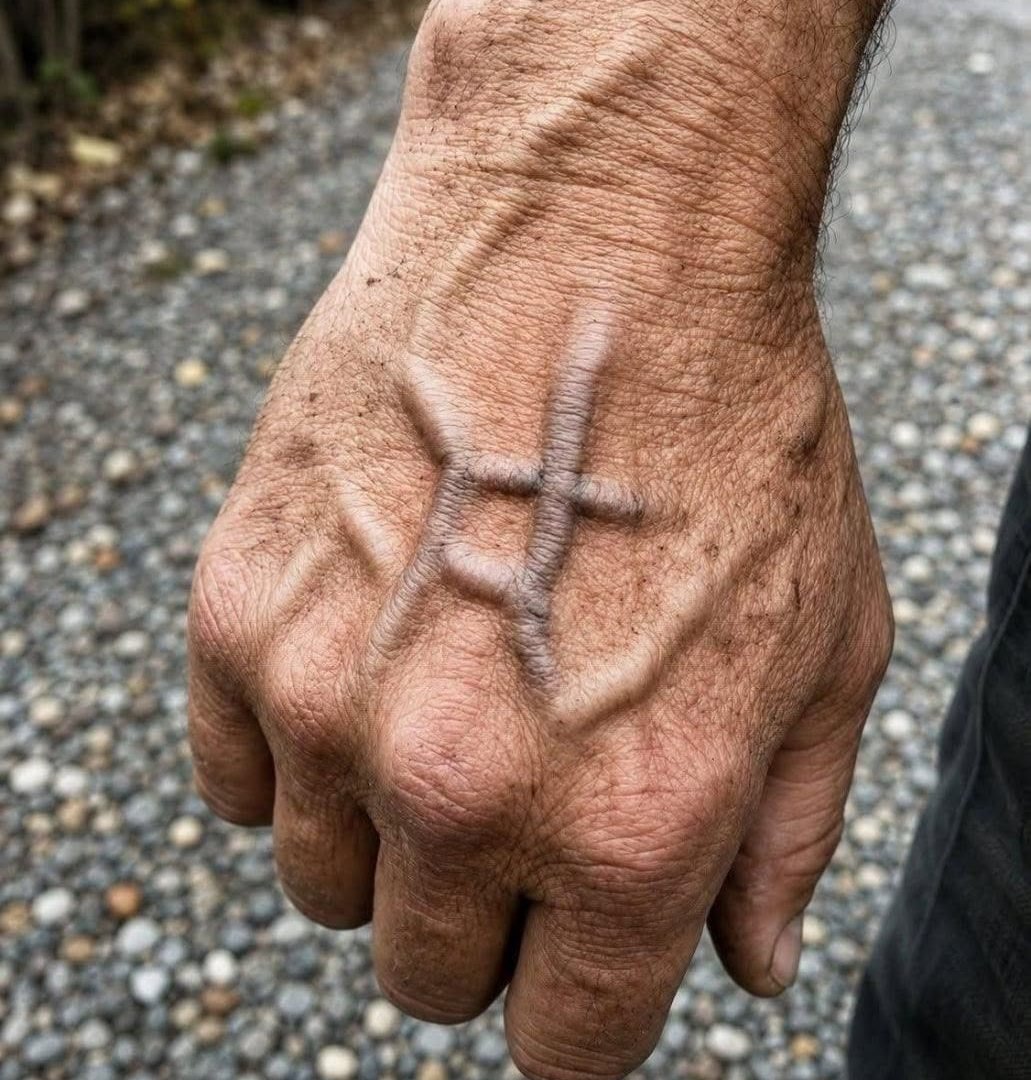
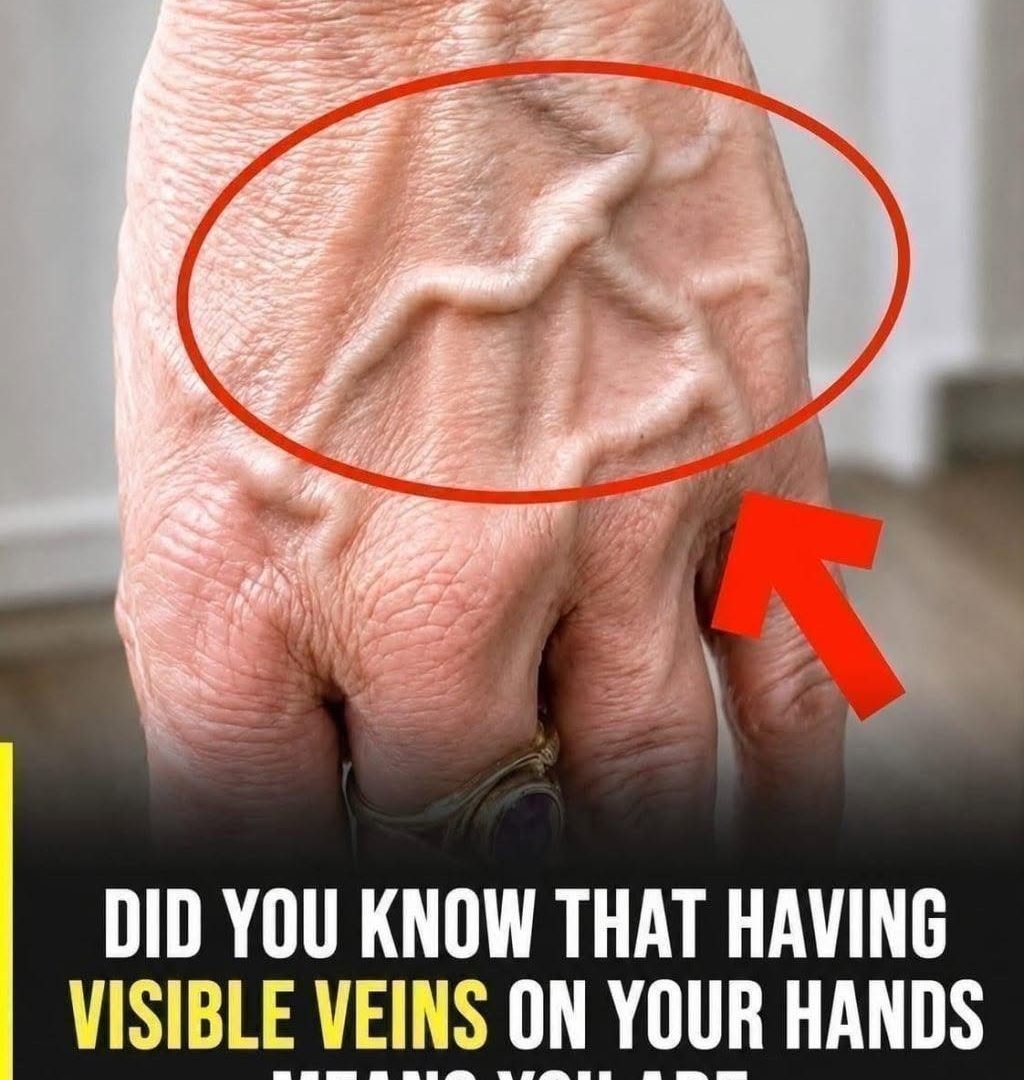
Varicose veins are enlarged, twisted veins that may bulge above the skin’s surface.
They often appear dark blue or purple and commonly develop in the legs because the veins must return blood toward the heart against gravity.
Unlike typical spider veins, varicose veins are more likely to be associated with symptoms such as aching, heaviness, swelling, itching, or discomfort after prolonged standing.
Not every visible vein is a varicose vein, and the appearance alone cannot always establish the underlying cause.
2. Why Do Purple Veins Develop?
Several factors can contribute to the appearance of visible veins. Often, more than one factor is involved.
Genetics and family history
Family history is an important risk factor for spider veins and varicose veins.
If close relatives have visible leg veins, you may be more likely to develop them yourself.
Inherited differences in vein structure, connective tissue, and vein function can influence how easily these vessels become visible.
You cannot change your genetic background, but you can take practical steps to support your overall leg health.
Aging
As people age, changes in the skin, connective tissue, and blood vessels can make superficial veins more noticeable.
The skin may become thinner, allowing vessels beneath it to show through more clearly.
Vein valves can also become less effective over time. These valves normally help keep blood moving toward the heart rather than flowing backward.
When the valves do not function properly, blood may accumulate in the veins, increasing pressure and contributing to varicose veins.
However, aging does not mean that everyone will develop problematic veins.
Prolonged standing or sitting
Spending long periods standing or sitting without moving can contribute to discomfort and swelling in the legs.
The calf muscles help push blood upward through the veins when they contract during walking and other movements.
When the legs remain still for extended periods, this muscle-pump action decreases.
For some people, prolonged inactivity may worsen symptoms associated with existing vein problems.
If your work requires sitting or standing for much of the day, regular movement breaks can be helpful.
Hormonal changes
Hormonal changes may influence the development of visible veins.
Pregnancy, for example, can increase blood volume and pressure in the veins of the legs. Hormonal changes may also affect vein walls.
Some women notice spider veins or varicose veins during pregnancy, and these may become less prominent after delivery. Others may have persistent changes.
Hormonal factors can also contribute to vein changes at other stages of life, although the effects vary considerably between individuals.
Pregnancy
Pregnancy deserves particular attention because several changes occur simultaneously.
Blood volume increases, the growing uterus can place pressure on pelvic veins, and hormonal changes may affect the walls of blood vessels.
These factors can contribute to varicose veins, swelling, and a feeling of heaviness in the legs.
Pregnancy also increases the risk of blood clots, so new leg symptoms should not automatically be attributed to ordinary visible veins.
Sudden swelling, pain, warmth, or redness in one leg during pregnancy requires urgent medical assessment.
Excess body weight
Excess body weight can contribute to increased pressure within the veins of the legs and may worsen symptoms in people with existing venous disease.
Maintaining a weight that is appropriate for your health can support general cardiovascular and vascular health.
However, visible veins can develop in people of all body sizes, and their presence should not be treated as evidence of someone’s weight or lifestyle.
Previous blood clots or vein damage
A previous deep vein thrombosis or other damage to the venous system can sometimes lead to long-term circulation problems.
After a blood clot, the valves in affected veins may not function normally, contributing to persistent swelling, discomfort, or skin changes.
A history of blood clots is especially important when evaluating new or worsening leg symptoms.
3. Do Purple Veins Mean You Have Poor Circulation?