10 Warning Signs of Blocked or Narrowed Arteries You Shouldn’t Ignore
The phrase ” is often used on social media as if there were a simple list of symptoms that can tell you whether your arteries are clogged. The reality is more complicated.
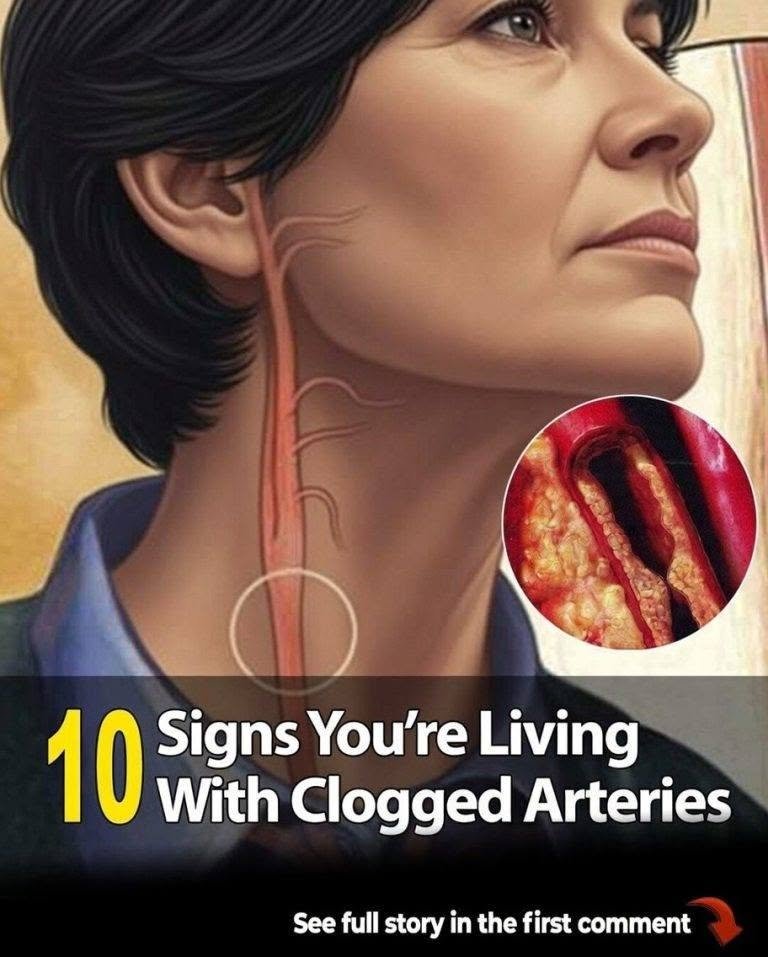
Atherosclerosis happens when plaque—made up of cholesterol, fats, calcium and other substances—builds up inside artery walls. Over time, this can narrow the artery and reduce blood flow. Importantly, atherosclerosis can develop for years without causing noticeable symptoms. Symptoms often appear only when blood flow becomes sufficiently restricted or a complication occurs. (
The signs you experience also depend heavily on which arteries are affected. Narrowing of arteries supplying the heart can cause chest symptoms, while narrowing in arteries supplying the legs can cause pain during walking. Disease affecting arteries supplying the brain can cause sudden neurological symptoms.
So rather than looking for one mysterious “clogged artery symptom,” it is more useful to recognize the different warning signs that can occur when blood flow is reduced.
Here are 10 important signs and symptoms to know.
1. Chest Pain, Pressure or Discomfort
One of the most important symptoms associated with narrowed arteries supplying the heart is chest discomfort, often called angina.
When the coronary arteries become narrowed, the heart muscle may not receive enough oxygen-rich blood, particularly when the heart needs more oxygen during exercise or emotional stress. This can produce pressure, squeezing, tightness, burning or discomfort in the chest.
Pressure in the chest
Tightness
Squeezing
Burning
Heaviness
Uncomfortable fullness
The discomfort can sometimes spread beyond the chest.
It may occur during physical activity and improve with rest, although symptoms can vary considerably between individuals.
Don’t automatically blame chest discomfort on indigestion
Heart-related symptoms can sometimes feel similar to indigestion or heartburn.
That’s why unexplained or recurring chest discomfort deserves medical attention, particularly when it occurs with exertion or other symptoms such as shortness of breath, sweating, nausea or dizziness.
And if chest pain is severe, sudden, persistent, or accompanied by other emergency symptoms, seek emergency medical help immediately.
2. Shortness of Breath
Another possible warning sign of reduced blood flow to the heart is shortness of breath.
If the heart isn’t receiving enough oxygen-rich blood, especially during exertion, you may notice that activities that previously felt easy suddenly leave you unusually breathless.
For example, you might notice difficulty when:
Walking uphill
Climbing stairs
Exercising
Carrying groceries
Walking quickly
Shortness of breath has many possible causes, however. It does not automatically mean that someone has blocked arteries.
Lung disease, anemia, heart rhythm problems, infections, lack of fitness and many other conditions can cause similar symptoms.
That’s why persistent or unexplained shortness of breath should be evaluated rather than self-diagnosed.