Cholesterol: 5 Signs That May Warn Your Cholesterol Is Too High
High cholesterol is one of those health problems that can develop quietly. A person can have elevated cholesterol for years and feel completely normal, which is why it is often called a “silent” condition.
That makes viral images claiming that certain physical symptoms can immediately reveal high cholesterol especially confusing. Some visible changes can indeed be associated with very high cholesterol, particularly inherited forms of the condition. However, many of the signs shown in social-media posts are not specific to cholesterol, and some are actually signs of complications that can occur after cholesterol has contributed to artery disease.
The most reliable way to know your cholesterol level is a blood test.
Still, there are several physical findings worth knowing about.
1. Yellowish Deposits Around the Eyes
One of the better-known physical findings associated with abnormal cholesterol is called xanthelasma.
Xanthelasma appears as yellowish or yellow-white patches, bumps, or plaques under the skin around the eyelids. They are often located near the inner corners of the eyes.
These deposits contain fatty material.
Their presence can sometimes be associated with abnormal blood lipid levels, but there is an important point to remember:
Xanthelasma does not automatically mean that your cholesterol is high.
Some people develop xanthelasma despite having normal cholesterol levels. Conversely, many people with high cholesterol never develop visible deposits around their eyes.
If you notice a new yellowish growth or patch around your eyelids, it is better to have it evaluated rather than assuming that it is definitely caused by cholesterol.
A blood test can provide much more useful information.
2. Firm Bumps or Thickened Tendons
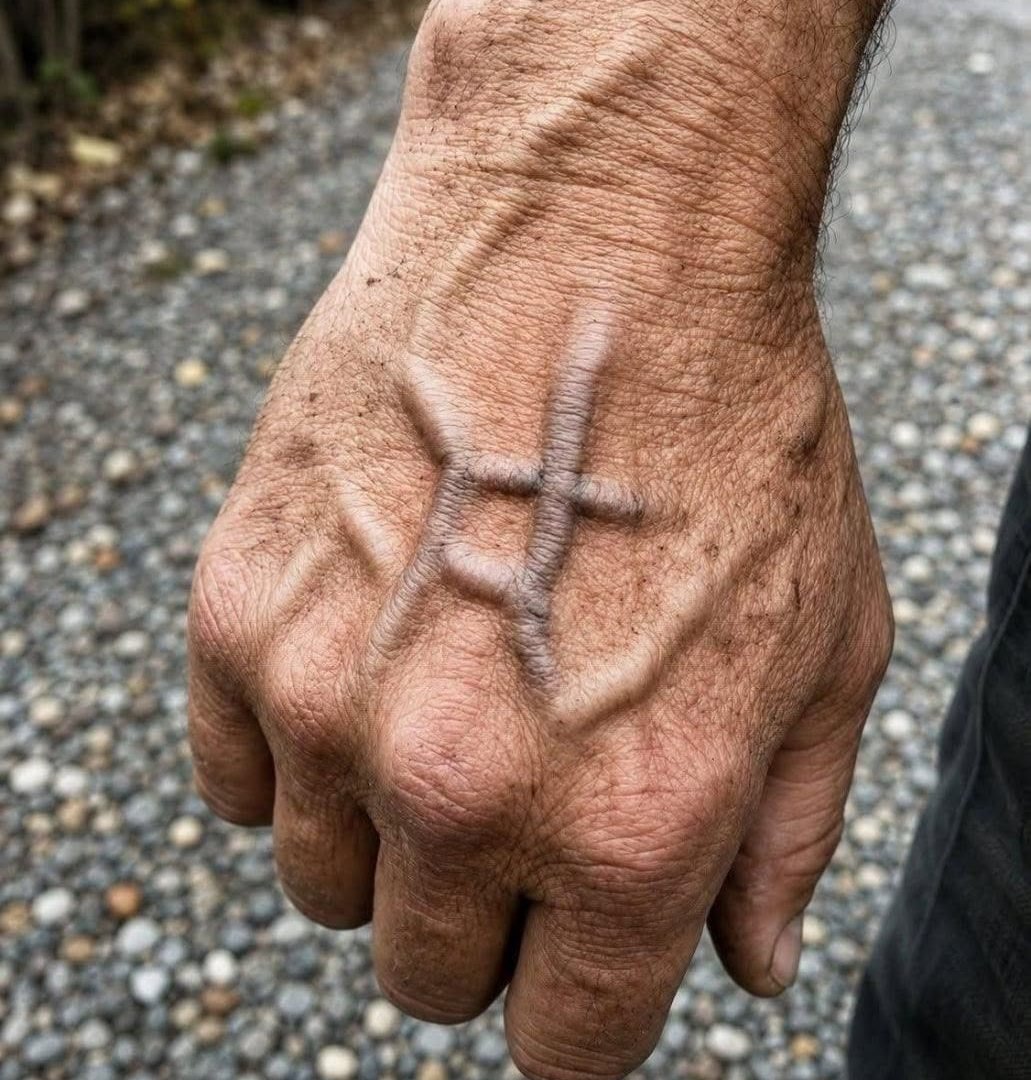
Very high LDL cholesterol, particularly in people with familial hypercholesterolemia, can sometimes cause fatty deposits called tendon xanthomas.
These deposits may develop in or around tendons.
One of the classic locations is the Achilles tendon at the back of the ankle.
A person may notice that the tendon appears unusually thick or that there is a firm lump or swelling in the area.
Similar deposits can sometimes appear around tendons in the hands and fingers.
This is different from ordinary soft tissue.
A tendon problem can have many causes, including injuries, inflammation, repetitive activity, and other medical conditions. Therefore, an unexplained lump should not automatically be labeled a cholesterol deposit based on a photograph.
However, persistent tendon thickening combined with very high LDL cholesterol or a strong family history of early heart disease deserves medical attention.
3. A Gray or White Ring Around the Eye
Another finding sometimes associated with cholesterol is called corneal arcus.
It appears as a gray, white, or bluish ring around the outer edge of the cornea.
The cornea is the transparent front surface of the eye.
This finding becomes increasingly common as people get older, and in older adults it does not necessarily indicate dangerously high cholesterol.
The situation can be different when a similar ring appears at a relatively young age.
Early corneal arcus can sometimes be associated with abnormal cholesterol levels, particularly when there is also a family history of very high cholesterol or premature cardiovascular disease.
But once again, the appearance alone cannot diagnose high cholesterol.
An eye examination and appropriate blood testing are much more useful.
4. Chest Pain or Pressure
Chest discomfort is frequently included in lists of “high cholesterol symptoms,” but this requires an important clarification.
High cholesterol itself usually doesn’t cause chest pain.
Instead, high LDL cholesterol can contribute to the development of atherosclerosis, a process in which fatty deposits and other substances accumulate within artery walls.
Over many years, these plaques can narrow or otherwise affect the arteries supplying the heart.
If blood flow to the heart becomes insufficient, symptoms may occur.
A person may experience:
Pressure in the chest
Tightness
Squeezing
Burning or discomfort
Shortness of breath
Unusual fatigue
Discomfort spreading to the arm, shoulder, jaw, neck, or back
Some people, particularly older adults and people with diabetes, may not experience classic chest pain.
This is why chest symptoms should never simply be dismissed as “high cholesterol.”
If someone develops sudden or severe chest pressure, especially with shortness of breath, sweating, nausea, fainting, or pain spreading to the arm or jaw, emergency medical evaluation is important.