Maybe It’s Time to Start Eating This: What a 117-Year-Old Woman’s Diet Can Teach Us About Longevity
What if one of the clues to healthy aging could be sitting in your refrigerator?
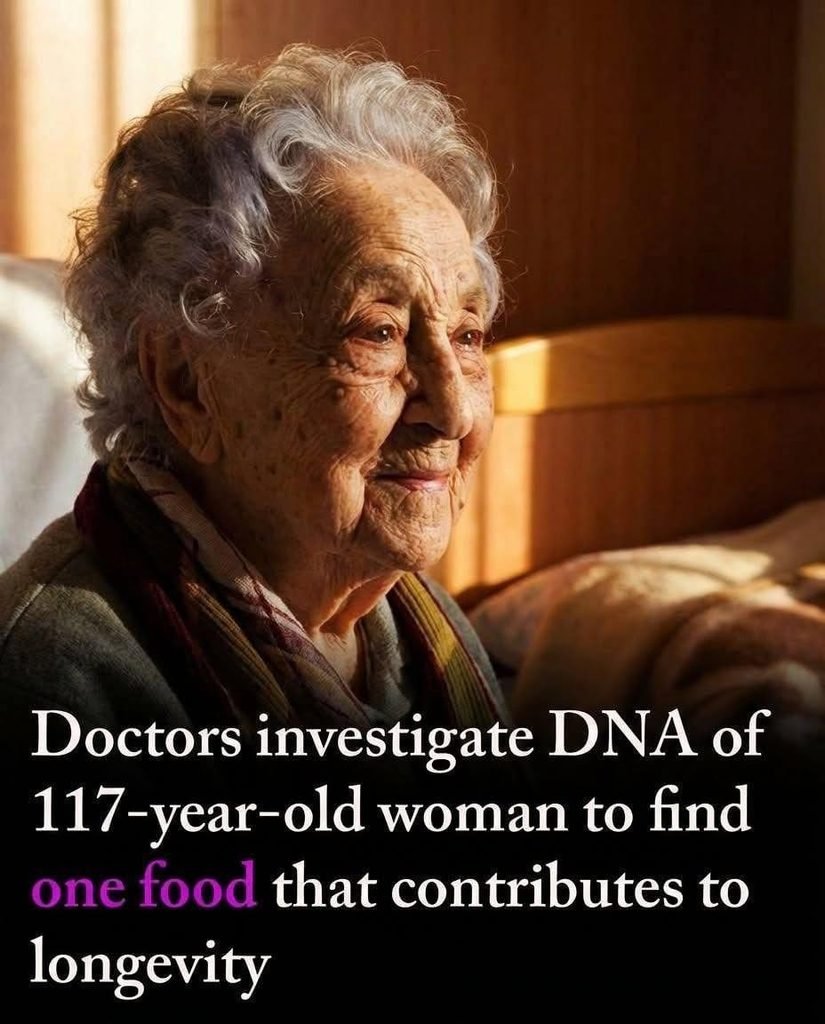
The story of Maria Branyas Morera, a woman who lived to 117 years and 168 days, has attracted enormous attention from researchers and the public. Scientists studied biological samples from her in an effort to understand why she remained relatively healthy at an age that very few people reach.
One food repeatedly stands out when her dietary habits are discussed: yogurt.
Maria reportedly enjoyed yogurt regularly, with some accounts describing her eating it as often as three times a day. But before adding several servings of yogurt to your diet because you want to live to 117, there is an important point to understand:
Yogurt was not proven to be the reason she lived so long.
Her exceptional longevity appears to have involved many factors, including genetics, lifestyle, physical activity, social connections, diet, and other biological characteristics.
Still, her love of yogurt makes the food worth a closer look.
The Food: Yogurt
Yogurt is made by fermenting milk with beneficial bacterial cultures. Depending on the type, it can provide protein, calcium, phosphorus, vitamin B12, and other nutrients.
Some yogurts also contain live microorganisms that can interact with the gut microbiome.
This is one reason fermented foods have attracted so much interest in nutrition research.
The human gut contains a huge community of microorganisms. These bacteria and other microbes interact with the food we eat and are involved in digestion and many other processes in the body.
A healthy and diverse diet can support a diverse gut microbiome.
Why Does the Gut Matter?
The digestive system is much more than a tube that processes food.
The gut contains a large portion of the body’s immune system and is home to trillions of microorganisms.
The bacteria living in the digestive tract can interact with dietary components and produce substances that affect the intestinal environment.
This doesn’t mean that one particular yogurt can “reset” your gut or cure disease.
Instead, yogurt can be one component of a varied diet that includes many different sources of fiber and plant foods.
Vegetables, fruits, beans, lentils, whole grains, nuts, seeds, and other minimally processed foods can also contribute to a healthy dietary pattern.
What Was Interesting About Maria’s Biology?
Researchers studying Maria found several unusual characteristics associated with healthy aging.
Her biological markers did not simply look like those of an average person who had reached 117.
Some measures suggested that certain aspects of her biology were considerably younger than her chronological age.
Her cardiovascular profile was also notable, with favorable levels of certain blood lipids and relatively low levels of inflammation.
Researchers also examined her gut microbiome and found characteristics that attracted particular interest.
These findings are fascinating because they show that chronological age and biological aging are not necessarily identical.
Two people can be the same age on paper while having very different levels of physical health and biological function.
But Yogurt Was Only One Piece of the Story
This is where many viral posts become misleading.
They often turn the story into:
“Woman lived to 117 → she ate yogurt → yogurt causes longevity.”
Science cannot make that conclusion from one person’s experience.
Maria also had an unusual genetic background.
Genetics can influence susceptibility to disease, metabolism, immune function, and longevity. Some people inherit combinations of genetic variants that may help them remain healthier for longer.
Maria also followed many habits associated with a healthy lifestyle.
Her diet was described as Mediterranean-style, and she remained physically and socially active.
She did not smoke and reportedly avoided alcohol.
So it would be inaccurate to give all the credit to one food.
Why Plain Yogurt Can Be a Good Choice
Even without the extraordinary story of a 117-year-old woman, yogurt can be a nutritious food.
A serving of plain yogurt can provide protein and minerals such as calcium.
Protein becomes particularly important as people age because maintaining muscle mass becomes more challenging.
A nutritious source of protein can therefore be useful as part of meals and snacks.
Yogurt can also be combined with other nutritious foods.
For example, you can add:
Fresh berries
Apples
Bananas
Nuts
Seeds
Oats
Chia seeds
Cinnamon
This creates a more filling snack while adding fiber, vitamins, minerals, and healthy fats.
Choose Your Yogurt Carefully
Not every yogurt is nutritionally equivalent.
Some flavored yogurts contain significant amounts of added sugar.
A better everyday option may be plain or unsweetened yogurt, especially if you can tolerate dairy.
You can add sweetness naturally with fruit.
Greek-style yogurt can also be a convenient option because it often contains more protein than many traditional yogurts.
Check the nutrition label rather than assuming that every product marketed as “healthy” has the same nutritional profile.