People With This Blood Type Are More Likely to Live to 100 Years Old: What Science Really Says
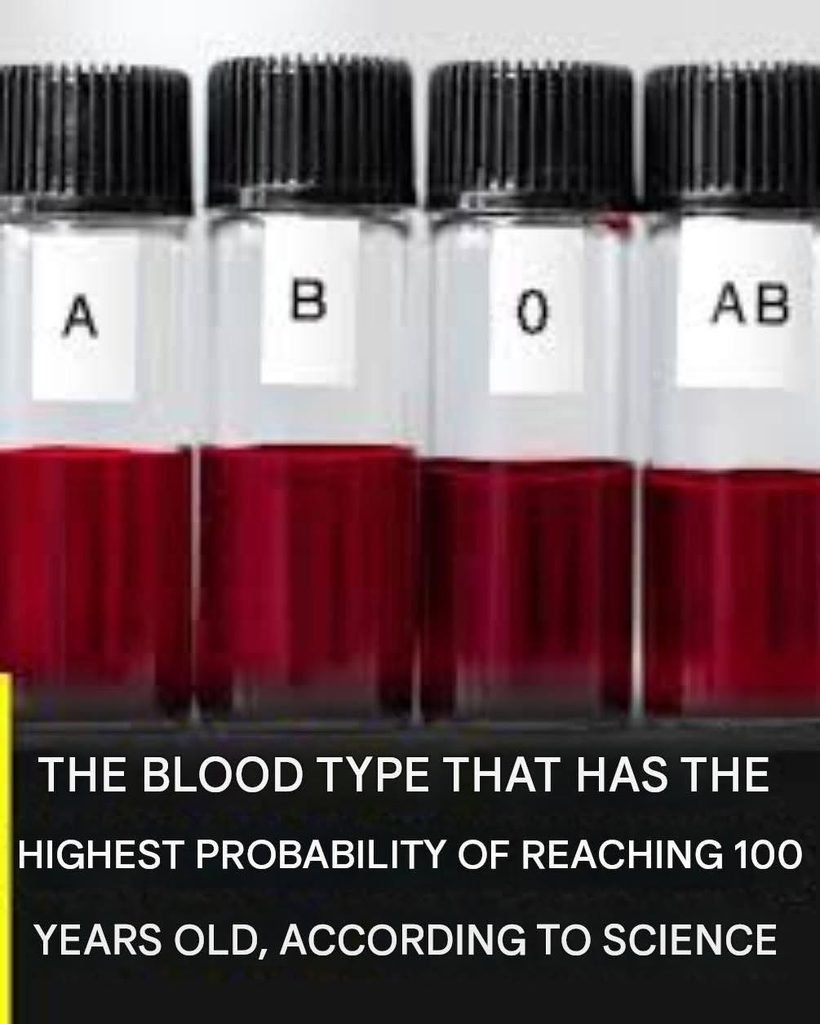
Blood type is one of the characteristics we inherit from our parents. The most familiar blood groups are A, B, AB, and O, with each group having different combinations of molecules called antigens on the surface of red blood cells.
Because blood type is genetically determined, scientists have investigated whether certain blood groups are associated with differences in disease risk, aging, or longevity.
This has led to an interesting question: Is there really a blood type that makes a person more likely to live to 100 years old?
The answer is more complicated than the viral claim suggests.
Some studies have found associations between blood groups and certain health conditions, but there is no scientific basis for saying that one blood type guarantees a person will live to 100. Reaching very old age depends on many factors, including genetics, lifestyle, environment, medical care, socioeconomic circumstances, and chance.
Nevertheless, the relationship between blood type and health is fascinating and worth understanding.
The Four Main Blood Types
Before discussing longevity, it helps to understand the basic blood groups.
The ABO blood group system divides blood into four main types:
Type A
People with type A blood have A antigens on their red blood cells and naturally occurring antibodies against B antigens.
Type B
People with type B blood have B antigens and antibodies against A antigens.
Type AB
People with type AB blood have both A and B antigens.
Type O
People with type O blood do not have A or B antigens on their red blood cells and have antibodies against both A and B antigens.
There is also the Rh system, which is why you may hear people described as A-positive, A-negative, O-positive, and so on.
These blood-group differences are extremely important for blood transfusions.
But researchers have also discovered that blood-group characteristics can be associated with differences in certain diseases.
Does Blood Type Determine How Long You Live?
No.
Your blood type is not a countdown clock for your lifespan.
Someone with type A blood can live well beyond 100, while someone with type O blood may not reach old age. The same applies to every other blood group.
Longevity is influenced by a huge number of factors.
These include:
Genetics
Blood pressure
Heart health
Smoking
Physical activity
Diet
Body weight
Diabetes
Cholesterol
Alcohol consumption
Sleep
Access to healthcare
Social relationships
Environment
Infections and illnesses
Random biological factors
Blood type is only one small biological characteristic among thousands of factors that can influence health.
Therefore, it would be misleading to tell someone that their blood type means they are likely to reach 100.
Why Do Scientists Study Blood Type and Health?
Researchers became interested in blood groups because the molecules that determine blood type are not limited to red blood cells.
Related structures can also be found on other cells and tissues throughout the body.
Because of this, differences between blood groups may influence certain biological processes.
Studies have reported associations between ABO blood groups and conditions involving blood clotting, cardiovascular disease, and some other diseases.
However, an association does not mean that blood type directly causes the disease.
For example, if researchers find that one blood group occurs more frequently among people with a particular condition, that does not mean everyone with that blood type will develop the condition.
It also does not mean that another blood type automatically protects someone from it.
Type O and Blood Clotting
One of the most frequently discussed differences between blood groups concerns blood clotting.
People with non-O blood groups, meaning A, B, or AB, tend to have higher average levels of certain clotting-related proteins than people with type O blood.
This difference has been associated in research with differences in the risk of certain blood-clotting conditions.
Type O blood has sometimes been associated with a lower risk of some types of blood clots compared with non-O blood groups.
However, this should not be interpreted as meaning that people with type O blood cannot develop blood clots.
They absolutely can.
Many other factors have a much greater impact on an individual’s risk, including smoking, prolonged immobility, surgery, certain medications, pregnancy, obesity, age, and previous clotting problems.
A person should never ignore symptoms of a possible blood clot simply because they have type O blood.