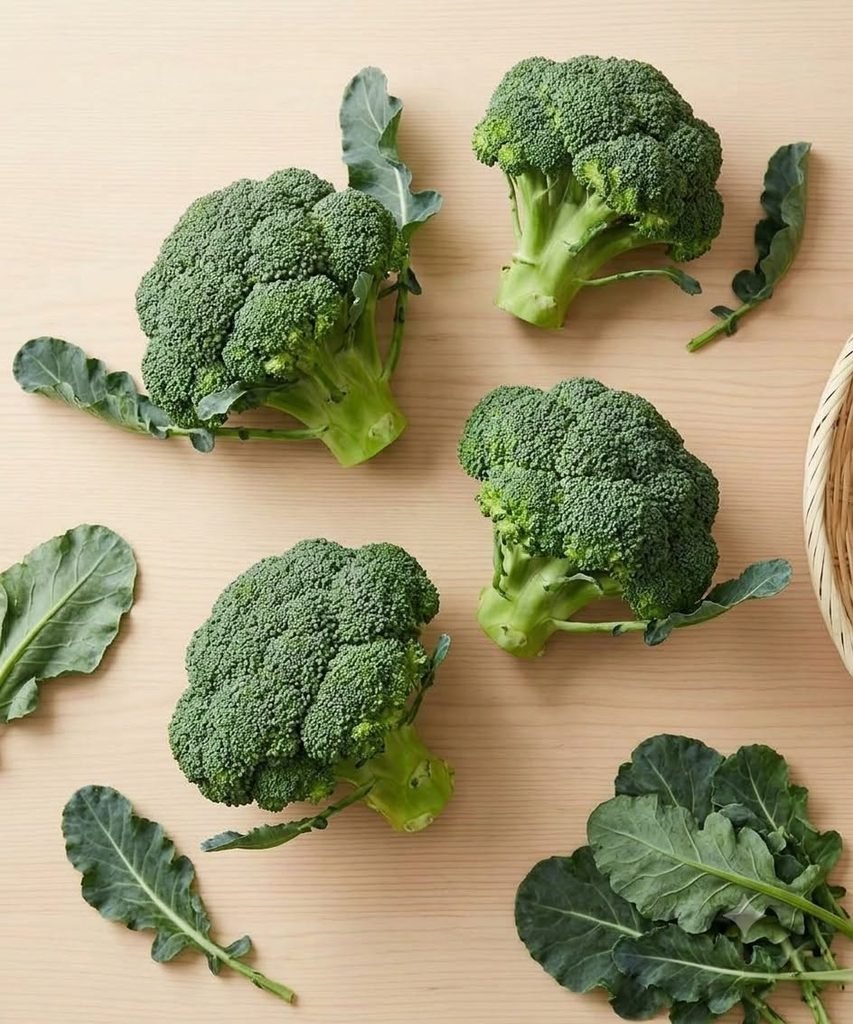
Doctors Reveal What Eating Broccoli Can Do to Your Body
Broccoli is one of the most recognizable vegetables in the world, yet many people don’t realize just how much nutrition is packed into those small green florets.
It belongs to the cruciferous vegetable family, alongside cauliflower, cabbage, Brussels sprouts, kale, and other leafy vegetables. Broccoli provides fiber, vitamin C, vitamin K, folate, and a variety of naturally occurring plant compounds.
You may have seen dramatic claims online suggesting that eating broccoli can “destroy cancer,” “clean your blood,” “remove toxins,” or completely transform your body.
The reality is more balanced.
Broccoli is not a miracle cure, but regularly including it in a varied diet can provide several important nutritional benefits.
1. Broccoli Provides Powerful Plant Compounds
One of the most interesting things about broccoli is that it contains glucosinolates.
When broccoli is chopped, chewed, or otherwise broken down, these compounds can contribute to the formation of other biologically active substances, including sulforaphane.
Sulforaphane has received considerable scientific interest because of its antioxidant and cellular effects.
However, laboratory findings should not be confused with proof that eating broccoli cures a particular disease.
The most reasonable conclusion is that broccoli provides naturally occurring compounds that may contribute to the health benefits associated with eating cruciferous vegetables.
2. It Is Rich in Vitamin C
Broccoli is a useful source of vitamin C.
Vitamin C contributes to:
Normal immune function
Collagen production
Wound healing
Protection of cells from oxidative stress
Normal absorption of iron from plant foods
Eating broccoli alongside beans, lentils, or other plant sources of iron can therefore be a useful combination.
Vitamin C is also important for maintaining normal skin, blood vessels, bones, and connective tissue.
3. Broccoli Supports Digestive Health
Broccoli contains dietary fiber.
Fiber is important for maintaining normal bowel function and supporting a healthy digestive system.
Regularly eating fiber-rich vegetables can help increase stool bulk and support regular bowel movements.
Fiber also serves as a food source for beneficial microorganisms in the gut.
If someone isn’t accustomed to eating much fiber, suddenly eating large quantities of broccoli can cause temporary gas or bloating.
Increasing vegetable intake gradually can make the transition more comfortable.
4. It Can Help You Feel Full
Broccoli provides a combination of water and fiber while being relatively low in calories.
This makes it a useful food when building meals designed to be filling without relying heavily on calorie-dense processed foods.
For example, broccoli can be combined with:
Eggs
Chicken
Fish
Beans
Lentils
Brown rice
Whole grains
A meal containing vegetables, protein, and fiber can be much more satisfying than one based primarily on refined carbohydrates.
5. Broccoli Contains Vitamin K
Vitamin K plays an important role in normal blood clotting and bone metabolism.
Broccoli is one of several green vegetables that can contribute meaningful amounts of vitamin K to the diet.
For most people, this is a nutritional advantage.
However, people taking certain blood-thinning medications may need to maintain a consistent intake of vitamin K rather than making sudden major changes to their diet.
If you take such medication, dietary changes should be discussed with your healthcare professional.
6. It Provides Folate
Broccoli contains folate, a B vitamin involved in DNA synthesis and normal cell division.
Folate is especially important during pregnancy and periods of rapid growth.
Eating vegetables such as broccoli can contribute to overall folate intake, although people who are pregnant or planning pregnancy may require specific folic acid supplementation according to medical guidance.