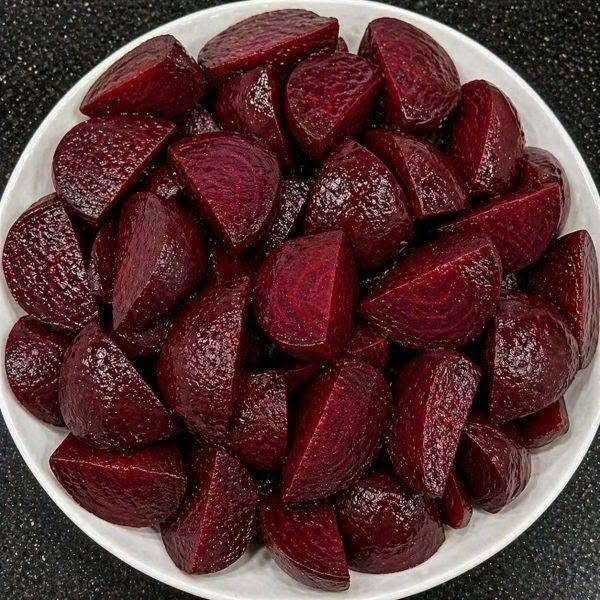
Doctors Reveal What Eating Beets Really Does to Your Body
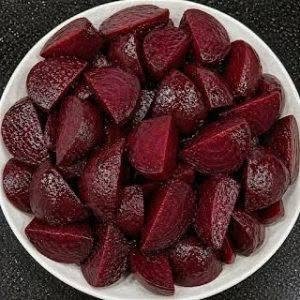
Beets are one of those vegetables that can look surprisingly simple while containing a wide variety of nutrients and natural plant compounds. Their deep red or purple color comes mainly from pigments called betalains, which give beets their distinctive appearance.
Online, however, beets are often surrounded by dramatic claims. A post may say that eating beets will “clean your blood,” dramatically lower blood pressure, cure anemia, remove toxins, or produce some other extraordinary effect.
The reality is more interesting than the clickbait.
Beets can be a nutritious addition to a balanced diet, and research has found potentially meaningful effects from their natural nitrate content. At the same time, eating beets is not a cure for every health problem, and there are situations in which people should be more careful about consuming large amounts.
Here is what you should actually know about eating beets.
1. Beets Can Support Cardiovascular Health
One of the most studied characteristics of beets is their naturally occurring nitrate content.
When you eat nitrate-rich vegetables, your body can convert some of the nitrate into compounds involved in the production of nitric oxide.
Nitric oxide plays an important role in blood-vessel function.
It helps blood vessels relax and widen, which can influence blood flow and blood pressure.
Research has therefore investigated beetroot and beetroot juice as potential ways of supporting cardiovascular health.
This doesn’t mean that eating a plate of beets will instantly normalize someone’s blood pressure.
The effects can vary considerably between individuals, and beets should not replace prescribed blood-pressure medication.
Nevertheless, their nitrate content is one legitimate reason researchers have taken an interest in this vegetable.
2. Beets May Help With Blood Pressure
Some studies have found that consuming nitrate-rich beetroot can produce a reduction in blood pressure, particularly in certain people with elevated blood pressure.
The mechanism is thought to involve nitric oxide and improved blood-vessel function.
However, there is an important distinction between saying:
“Beets may contribute to healthier blood pressure.”
and saying:
“Beets cure high blood pressure.”
The first is consistent with scientific research.
The second is an exaggerated claim.
High blood pressure is a medical condition that can increase the risk of heart disease, stroke, kidney disease, and other complications. Anyone diagnosed with hypertension should continue following their healthcare professional’s treatment plan.
Beets can be part of a healthy diet, but they are not a substitute for appropriate medical care.
3. Their Red Color Comes From Powerful Plant Pigments
Have you ever noticed how strongly beets can stain your hands, cutting board, or clothes?
That intense color comes from natural pigments called betalains.
Betalains include compounds such as betacyanins, which contribute to the red-purple color of many varieties of beetroot.
These compounds have antioxidant properties and are one reason beets are considered a nutrient-rich vegetable.
Antioxidants are compounds that help protect cells from oxidative damage.
However, it is important not to turn the word “antioxidant” into a promise of disease prevention or cure.
A food can contain beneficial compounds without being a medicine.
4. Beets Provide Useful Nutrients
Beets contain several nutrients that contribute to a balanced diet.
They provide:
Folate
Potassium
Manganese
Vitamin C in smaller amounts
Fiber
Natural carbohydrates
Various plant compounds
The exact nutritional content depends on the variety and preparation method.
Eating whole beets also provides fiber that may be reduced when the vegetable is processed into juice.
This is one reason that eating beets as a whole food can be different from drinking beet juice.