Doctors Reveal What Eating Pumpkin Can Do to Your Body
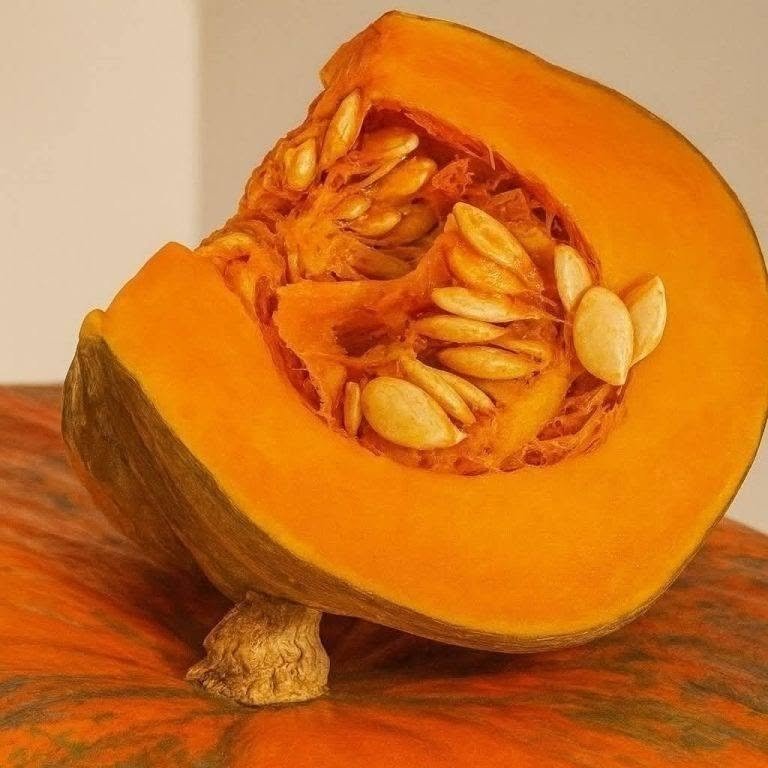
Pumpkin is often associated with autumn dishes, soups, pies, and comforting ihomemade meals, but this colorful vegetable offers much more than seasonal flavor. Its bright orange flesh contains a variety of nutrients that can support normal body functions, while pumpkin seeds provide their own nutritional benefits.
Eating pumpkin regularly as part of a balanced diet may contribute to better digestion, support normal vision, provide important antioxidants, and help increase the intake of vitamins and minerals. However, pumpkin is not a miracle food, and its effects depend on how much you eat, how it is prepared, and what the rest of your diet looks like.
So, what can actually happen when you eat pumpkin?
1. Pumpkin Can Support Eye Health
One of the most notable nutrients in orange pumpkin is beta-carotene. This natural pigment gives pumpkin its characteristic orange color. The body can convert beta-carotene into vitamin A, an essential nutrient involved in normal vision.
Vitamin A plays an important role in maintaining the eyes and supporting the normal function of the retina. Getting enough vitamin A through food is particularly important because prolonged deficiency can affect vision.
Pumpkin also contains other carotenoids, including lutein and zeaxanthin. These compounds are naturally found in many colorful fruits and vegetables and are associated with eye health.
This does not mean that eating pumpkin can correct an existing eye condition or restore lost vision. Rather, pumpkin can be one useful part of a varied diet that provides nutrients needed for normal eye function.
2. It Can Help Increase Your Fiber Intake
Pumpkin contains dietary fiber, particularly when you eat the flesh rather than consuming it only in highly processed forms.
Fiber is important for digestive health because it helps add bulk to stool and supports regular bowel movements. A diet containing adequate fiber can also help you feel satisfied after eating.
For people who do not regularly eat vegetables, adding pumpkin to meals can be an easy way to increase overall vegetable and fiber consumption.
If your current diet is low in fiber, it is usually better to increase fiber gradually while drinking enough fluids. A sudden large increase may cause temporary bloating or gas.
3. Pumpkin Provides Important Antioxidants
The orange color of pumpkin comes largely from carotenoid compounds. These substances have antioxidant properties and help protect cells from oxidative stress.
Oxidative stress occurs naturally in the body, but excessive oxidative stress can contribute to cellular damage. Eating a variety of vegetables and fruits provides different antioxidants and plant compounds that work as part of the body’s overall protective systems.
Pumpkin is therefore best viewed as one component of a diverse diet rather than a single food that can prevent every health problem.
Other colorful foods, such as carrots, tomatoes, leafy greens, peppers, berries, and sweet potatoes, can also contribute valuable plant compounds.
4. It Can Be a Nutrient-Dense Food
Pumpkin is relatively low in calories compared with many heavily processed foods, while still providing several nutrients.
It contains nutrients such as vitamin A precursors, vitamin C, potassium, and other vitamins and minerals in varying amounts.
This combination can make pumpkin useful when building meals around vegetables. For example, cooked pumpkin can be added to soups, stews, vegetable dishes, or homemade purees.
The nutritional value of the final meal, however, depends heavily on what is added to the pumpkin. A simple bowl of cooked pumpkin is very different from a dessert containing large amounts of sugar, butter, cream, or refined flour.
5. Pumpkin May Support Normal Immune Function
Pumpkin contains nutrients involved in normal immune function, including vitamin A precursors and vitamin C.
The immune system requires a wide range of nutrients to function properly. No single food can guarantee that you will avoid infections, but maintaining a varied diet can help ensure that the body receives the nutrients it needs.
Vegetables such as pumpkin can therefore contribute to an overall healthy eating pattern.
Instead of focusing on one “immune-boosting” food, it is more useful to regularly consume a mixture of vegetables, fruits, whole grains, legumes, nuts, seeds, and appropriate protein sources.