Even One Spoonful of Chia Seeds a Day Can Be a Simple Addition to Your Diet — Here’s What It May Actually Do
Have you ever looked at those tiny seeds in your kitchen and wondered whether they could really make a difference to your health?
Chia seeds have become incredibly popular in recent years, and it’s easy to see why. They’re tiny, convenient, easy to add to meals, and packed with fiber, healthy fats, protein, and several important minerals.
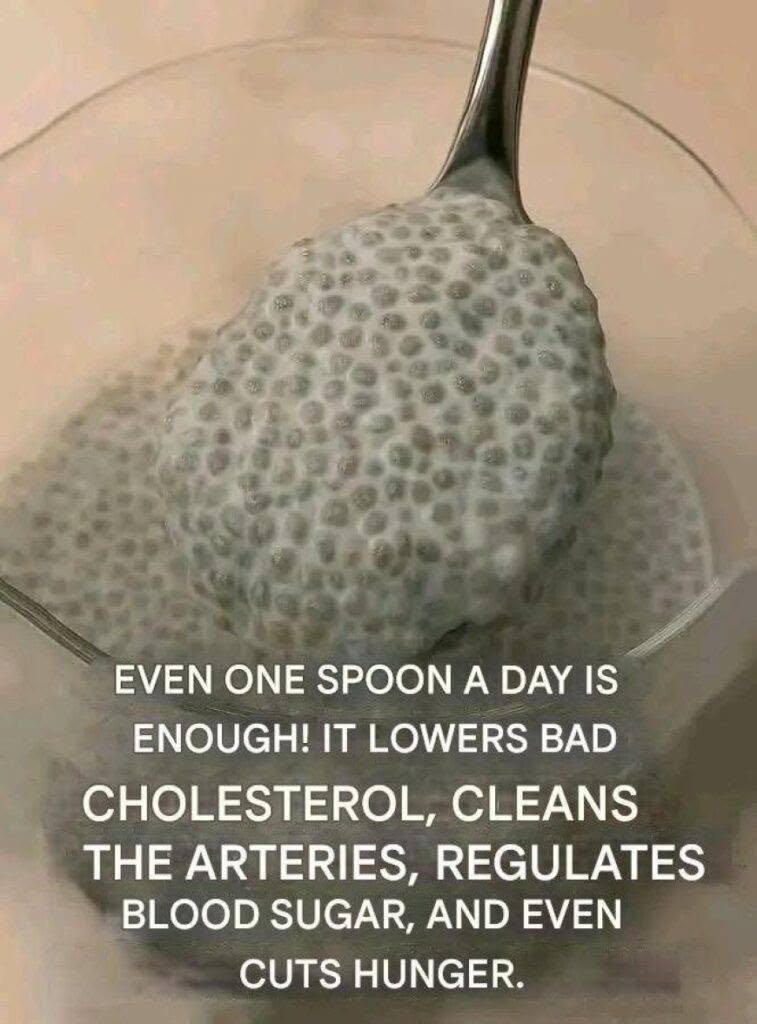
You may have seen social-media posts claiming that one spoonful of chia seeds every day can lower bad cholesterol, clean the arteries, regulate blood sugar, and suppress hunger.
There is some truth behind the interest in chia seeds, but the viral wording often goes too far.
Chia seeds can be a nutritious part of a balanced diet. Their high fiber content can help increase fullness, and research has investigated possible effects on cholesterol, blood sugar, blood pressure, and other metabolic markers.
However, chia seeds don’t literally scrub cholesterol from your arteries, and they shouldn’t be considered a cure for diabetes, high cholesterol, or heart disease.
The good news is that you don’t need to think of chia seeds as a miracle food for them to be useful.
Sometimes a small nutritional habit, repeated consistently, can be a valuable part of an overall healthy lifestyle.
What Are Chia Seeds?
Chia seeds come from the plant Salvia hispanica.
They are tiny, usually black, gray, or white seeds with a mild flavor.
Because they don’t have an overpowering taste, they can easily be added to many foods.
You can mix them into:
Oatmeal
Yogurt
Smoothies
Porridge
Overnight oats
Fruit bowls
Salads
Homemade energy bites
Puddings
Baked goods
One of the most interesting things about chia seeds is what happens when they come into contact with liquid.
They absorb water and form a thick, gel-like coating.
This property comes largely from their soluble fiber.
That gel-like texture is one reason chia seeds are so popular in chia pudding and overnight-oat recipes.
Why Are Chia Seeds Considered Nutritious?
Chia seeds contain several nutrients that can contribute to a healthy diet.
They provide:
Dietary fiber
Plant-based protein
Unsaturated fats
Alpha-linolenic acid
Calcium
Magnesium
Phosphorus
Manganese
Other micronutrients
They’re also particularly well known for their plant-based omega-3 fatty acid called alpha-linolenic acid, or ALA.
ALA is an essential fatty acid, meaning your body needs it from food.
Chia seeds therefore offer considerably more nutritional value than their tiny size might suggest.
1. Chia Seeds Are Very High in Fiber
Perhaps the biggest reason chia seeds attract so much attention is their fiber content.
Fiber is an important part of a healthy diet.
It supports normal digestion and can contribute to feelings of fullness.
Chia seeds contain both soluble and insoluble fiber.
When chia seeds absorb liquid, some of their soluble fiber forms a gel.
This can slow the movement of food through the digestive system and may contribute to a greater feeling of fullness.
That is one reason people often include chia seeds in meals when they’re trying to create a more satisfying breakfast or snack.
2. Can Chia Seeds Help Control Hunger?
This is one claim in the viral image that has some nutritional logic behind it.
Because chia seeds contain substantial amounts of fiber and also provide protein and fat, they can contribute to a more filling meal.
For example, compare a small snack containing mostly refined carbohydrates with a bowl of Greek yogurt containing chia seeds, berries, and nuts.
The second meal contains a combination of protein, fiber, and fat.
That combination may be more satisfying.
However, chia seeds aren’t an appetite suppressant in the same way that a prescription medication might be.
They don’t switch hunger off.
And simply swallowing one spoonful of chia seeds every morning doesn’t guarantee weight loss.
Your overall diet, calorie intake, activity level, sleep, and many other factors influence body weight.
3. Chia Seeds and Cholesterol
This is another area where the viral claim needs some clarification.
Chia seeds contain soluble fiber and unsaturated fats, both of which can be part of a heart-friendly dietary pattern.
Some studies have investigated whether chia consumption can improve blood lipid levels.
Research results have not been completely consistent.
Some studies report improvements in cholesterol or triglycerides, while others find little or no significant effect.
This means it’s reasonable to include chia seeds as part of a healthy diet, but it would be misleading to promise that one spoonful will dramatically lower LDL cholesterol.
If your cholesterol is high, the most important step is to understand your overall cardiovascular risk and follow appropriate dietary and medical recommendations.
4. Chia Seeds Do Not “Clean” Your Arteries
This phrase is popular on social media, but it isn’t an accurate description of what happens inside the body.
Your arteries are not pipes that can simply be cleaned by drinking a particular food or mixture.
Atherosclerosis develops over time through complex processes involving cholesterol, inflammation, blood-vessel biology, and other factors.
A healthy diet can help reduce cardiovascular risk, but no single seed or food literally scrubs existing plaque out of your arteries.
So rather than saying:
“Chia seeds clean your arteries,”
a more accurate statement is:
“Chia seeds can be part of a heart-healthy eating pattern that may support cardiovascular health.”
That’s less dramatic, but much more useful.
5. Chia Seeds and Blood Sugar
Chia seeds are also being studied for their potential effects on blood glucose.
Their high fiber content is particularly interesting.
Fiber can slow digestion and carbohydrate absorption, which may influence the rise in blood glucose after a meal.
Adding chia seeds to a meal containing carbohydrates may therefore create a different blood-sugar response compared with eating the same carbohydrates alone.
However, the effect varies from person to person.
Someone with diabetes shouldn’t assume that chia seeds can replace medication, prescribed dietary treatment, or blood-glucose monitoring.
They can be a nutritious food within an appropriate diet, but they aren’t a diabetes cure.
6. Why the Way You Eat Chia Seeds Matters
One spoonful of chia seeds can be added to many different foods.
But the nutritional effect of the entire meal still matters.
For example, adding chia seeds to a bowl containing:
Plain yogurt
Berries
Oats
Cinnamon
A small amount of nuts
creates a very different meal from adding chia seeds to a dessert loaded with sugar.
The chia seeds don’t magically cancel out the rest of the ingredients.
Think about the entire meal rather than focusing on one ingredient.
7. Chia Seeds Can Be Used to Make a Filling Breakfast
One easy way to use them is in overnight oats.
Combine:
½ cup rolled oats
1 tablespoon chia seeds
½ to ¾ cup milk
½ cup plain yogurt
A handful of berries
A little cinnamon
Mix everything together.
Cover and refrigerate overnight.
By morning, the chia seeds and oats will have absorbed some of the liquid, creating a thick and satisfying breakfast.
You can adjust the consistency by adding more milk.
8. Simple Chia Pudding
Chia pudding is another popular way to enjoy the seeds.
Ingredients
2 tablespoons chia seeds
½ cup milk
½ cup yogurt
½ teaspoon vanilla extract
Fresh berries
A small amount of honey, optional
Instructions
Add the chia seeds, milk, yogurt, and vanilla to a container.
Stir thoroughly.
Wait about 5 to 10 minutes and stir again.
This second stir helps prevent the seeds from clumping together.
Cover and refrigerate for several hours or overnight.
When ready to eat, top with fresh berries.
The result is a creamy, filling breakfast or snack.
9. Add Chia Seeds to Smoothies
If you don’t enjoy the texture of soaked chia seeds, smoothies are another option.
Add approximately one tablespoon to your favorite smoothie.
For example:
1 banana
½ cup berries
1 cup milk or unsweetened plant milk
1 tablespoon chia seeds
A handful of spinach
Plain yogurt
Blend until smooth.
The chia seeds contribute fiber and nutrients without dramatically changing the flavor.