Drinking Water on an Empty Stomach After Waking Up: What Really Happens to Your Heart and Body?
Drinking a glass of water after waking up is a simple habit that many people practice every morning. Some people believe that drinking water on an empty stomach can “clean the blood,” remove toxins, dissolve cholesterol, prevent blood clots, or even protect against a heart attack.
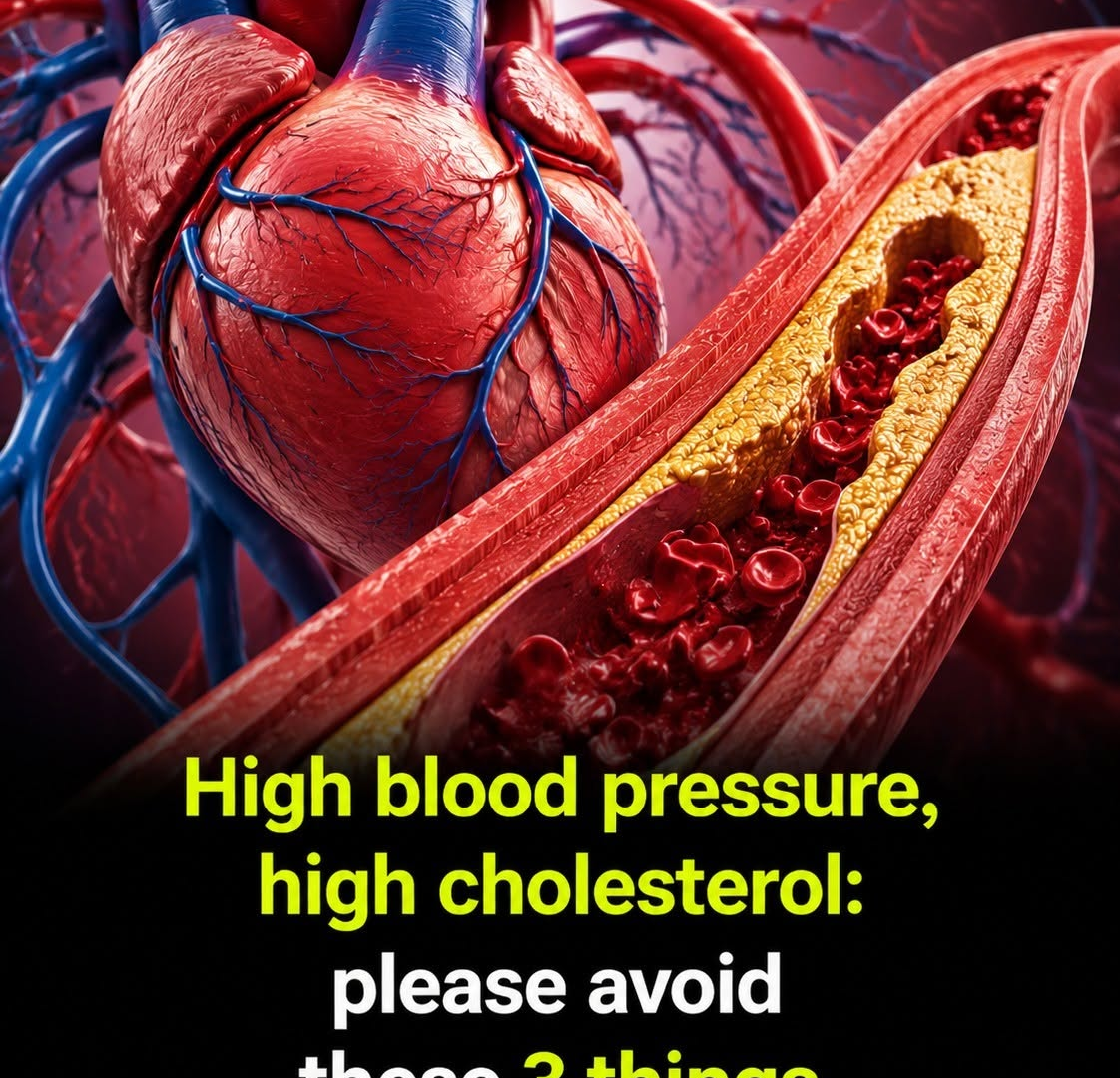
A viral image makes an especially dramatic claim by showing a heart attack caused by a blood clot and cholesterol plaque alongside the message “Drinking Water on Empty Stomach Immediately After Waking Up!”
But there is an important distinction between the general health benefits of staying hydrated and the specific claim that drinking water immediately after waking can prevent or reverse a heart attack.
Drinking water is important for normal health, but there is no simple morning glass of water that can dissolve an artery-clogging plaque or prevent a heart attack by itself.
Understanding what water actually does in the body can help separate a useful habit from exaggerated health claims.
Why Does the Body Need Water?
Water is essential for almost every major process in the body.
The human body contains a large amount of water, which is distributed throughout cells, blood, tissues, and organs.
Water helps regulate body temperature, supports digestion, allows nutrients and other substances to circulate, and contributes to the removal of waste through urine.
It also plays an important role in maintaining normal blood volume.
When the body loses more fluid than it takes in, dehydration can occur.
Dehydration can cause symptoms such as thirst, dry mouth, fatigue, headache, dizziness, and reduced urine output.
Severe dehydration can become a serious medical problem.
This is why drinking enough fluid throughout the day is important.
However, the body does not suddenly become “toxic” overnight simply because you have been sleeping.
Your kidneys, liver, lungs, and other systems continue functioning while you sleep.
Why Do People Feel Thirsty in the Morning?
It is normal to wake up feeling somewhat thirsty.
You generally spend several hours without drinking while asleep.
During that time, the body continues to lose water through breathing, sweating, and urination.
The amount lost varies depending on the temperature of the environment, physical activity during the previous day, illness, medications, alcohol consumption, and other factors.
Drinking water in the morning can therefore be a convenient way to begin replacing fluids.
There is nothing wrong with making hydration part of your morning routine.
The important point is that you do not need to drink water at a particular moment for it to become a special medicine.
Does Water “Clean” the Blood?
One of the most common claims associated with morning water is that it cleans or purifies the blood.
The body already has systems responsible for maintaining the composition of the blood.
The kidneys continuously filter blood and regulate water, electrolytes, and many waste products.
The liver also performs numerous metabolic functions.
The lungs remove carbon dioxide.
These organs work continuously.
Water supports their normal function, especially by helping maintain appropriate hydration, but drinking a large glass of water does not literally wash the bloodstream clean.
You do not need a special detox drink to make your blood clean after waking.
Can Water Dissolve Cholesterol Plaque?
This is another important misconception.
Atherosclerosis occurs when plaque develops within artery walls over time.
The plaque can contain cholesterol, fats, cellular material, and other substances.
It is not simply a lump of cholesterol floating inside an artery that can be washed away with water.
Drinking water does not mechanically dissolve established arterial plaque.
Managing cardiovascular risk involves a much broader approach.
Depending on the individual, this may include controlling blood pressure, managing cholesterol, avoiding tobacco, maintaining an appropriate weight, being physically active, managing diabetes, eating a heart-healthy diet, and using prescribed medications when appropriate.
Water is part of normal hydration, but it is not an artery-cleaning treatment.