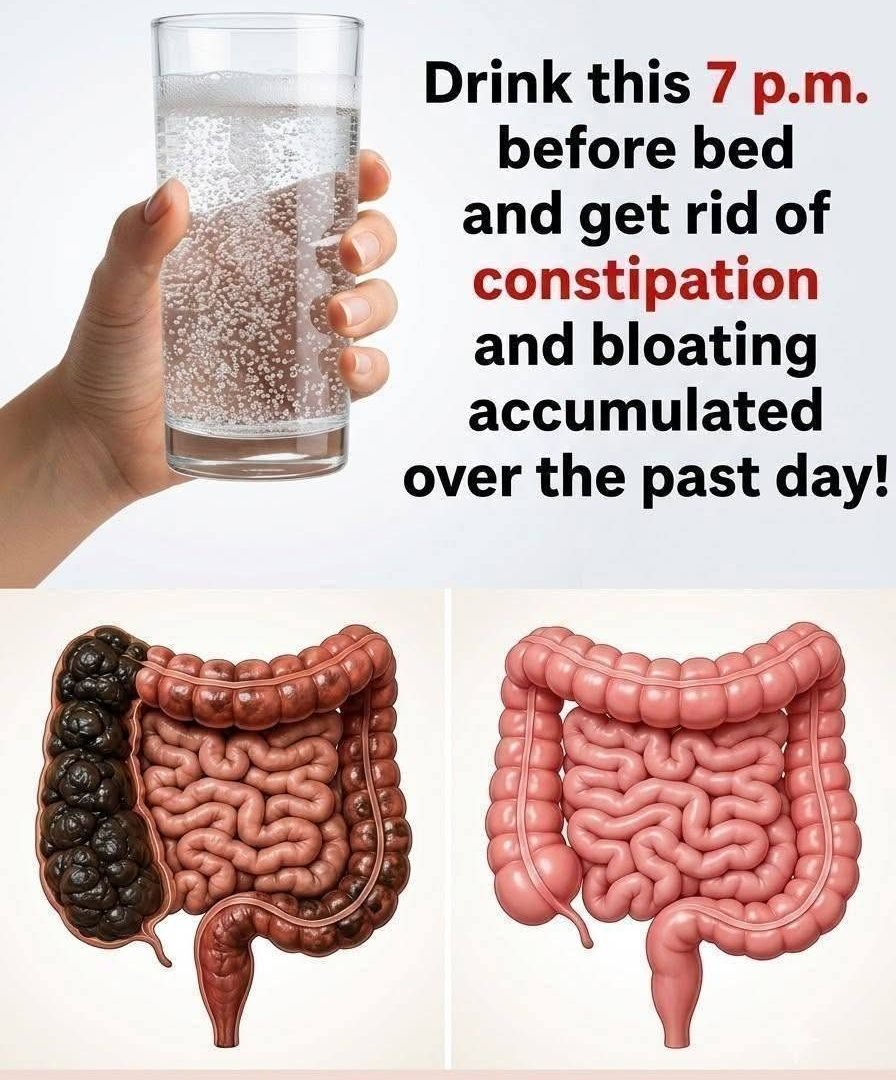
A Gentle 5-Minute Routine to Help Relieve Constipation Naturally
Regular physical activity can support normal digestive function.
You do not necessarily need an intense workout. A gentle walk may be a practical starting point, particularly if you spend much of the day sitting.
Walking for 10–20 minutes, as tolerated, can help you establish a more active routine.
Other suitable activities may include gentle cycling, swimming, or mobility exercises.
People with limited mobility should choose activities appropriate to their abilities and medical circumstances.
Physical activity is not an immediate cure for constipation, but regular movement may contribute to better bowel habits over time.
When Natural Remedies Are Not Enough
Home strategies may be sufficient for occasional mild constipation, but they do not work for everyone.
If constipation persists despite reasonable changes to diet, fluid intake, activity, and toileting habits, a healthcare professional can help identify the cause and discuss treatment options.
Depending on your circumstances, treatment may include a fiber supplement or a laxative.
Different laxatives work in different ways. Some increase stool bulk, while others draw water into the bowel or stimulate intestinal contractions.
The best choice depends on your symptoms, medical history, medications, and how long the constipation has lasted.
A pharmacist or healthcare professional can help you select an appropriate option and explain how to use it safely.
Avoid relying on harsh homemade laxative mixtures or taking multiple laxatives without guidance. Some products can cause dehydration, electrolyte disturbances, or other complications when used incorrectly.
If a medication appears to be contributing to constipation, do not stop a prescribed treatment on your own. Ask the prescribing clinician whether an alternative or adjustment may be appropriate.
Warning Signs You Should Never Ignore
Constipation is often manageable, but certain symptoms require prompt medical assessment.
Seek urgent medical care if constipation occurs with:
Severe or worsening abdominal pain.
Persistent vomiting.
A markedly swollen abdomen.
Inability to pass gas.
Significant rectal bleeding or black, tarry stools.
Fainting or severe weakness associated with other concerning symptoms.
These symptoms can sometimes indicate a serious condition, including bowel obstruction or gastrointestinal bleeding.
Arrange a medical appointment if constipation is persistent, repeatedly returns, or represents a new and unexplained change in your bowel habits.
Unintentional weight loss, unexplained fatigue, or ongoing blood in the stool should also be evaluated.
People who are pregnant, older, taking multiple medications, or living with chronic medical conditions may need individualized advice before trying new remedies or laxatives.
Final Thoughts
A gentle five-minute routine involving slow breathing, light abdominal massage, and a comfortable toileting position may help some people feel more relaxed and pass stool with less straining.
However, no technique can guarantee relief from constipation in five minutes, and the claim that this specific routine is a 7,000-year-old remedy is not established by reliable evidence.
For longer-term relief, focus on habits that support normal bowel function: eat enough fiber, drink appropriate amounts of fluid, stay physically active, respond to the urge to use the bathroom, and avoid excessive straining.
If constipation persists or is accompanied by severe pain, vomiting, abdominal swelling, or an inability to pass gas, seek medical attention rather than continuing to experiment with home remedies.
The most effective approach is one that addresses the cause of the constipation while keeping you comfortable and safe.