The 5 Most Laxative Foods in the World: Natural Remedies for Combating Constipation
Constipation is one of the most common digestive complaints, and it can be uncomfortable, frustrating, and sometimes painful. When bowel movements become infrequent or stools become hard and difficult to pass, many people immediately look for a quick solution.
Fortunately, food can play an important role in keeping the digestive system moving normally. Certain fruits and other fiber-rich foods can help soften stool, increase stool bulk, and encourage more regular bowel movements. Some foods also contain naturally occurring sugars such as sorbitol, which can draw water into the bowel and make stool easier to pass.
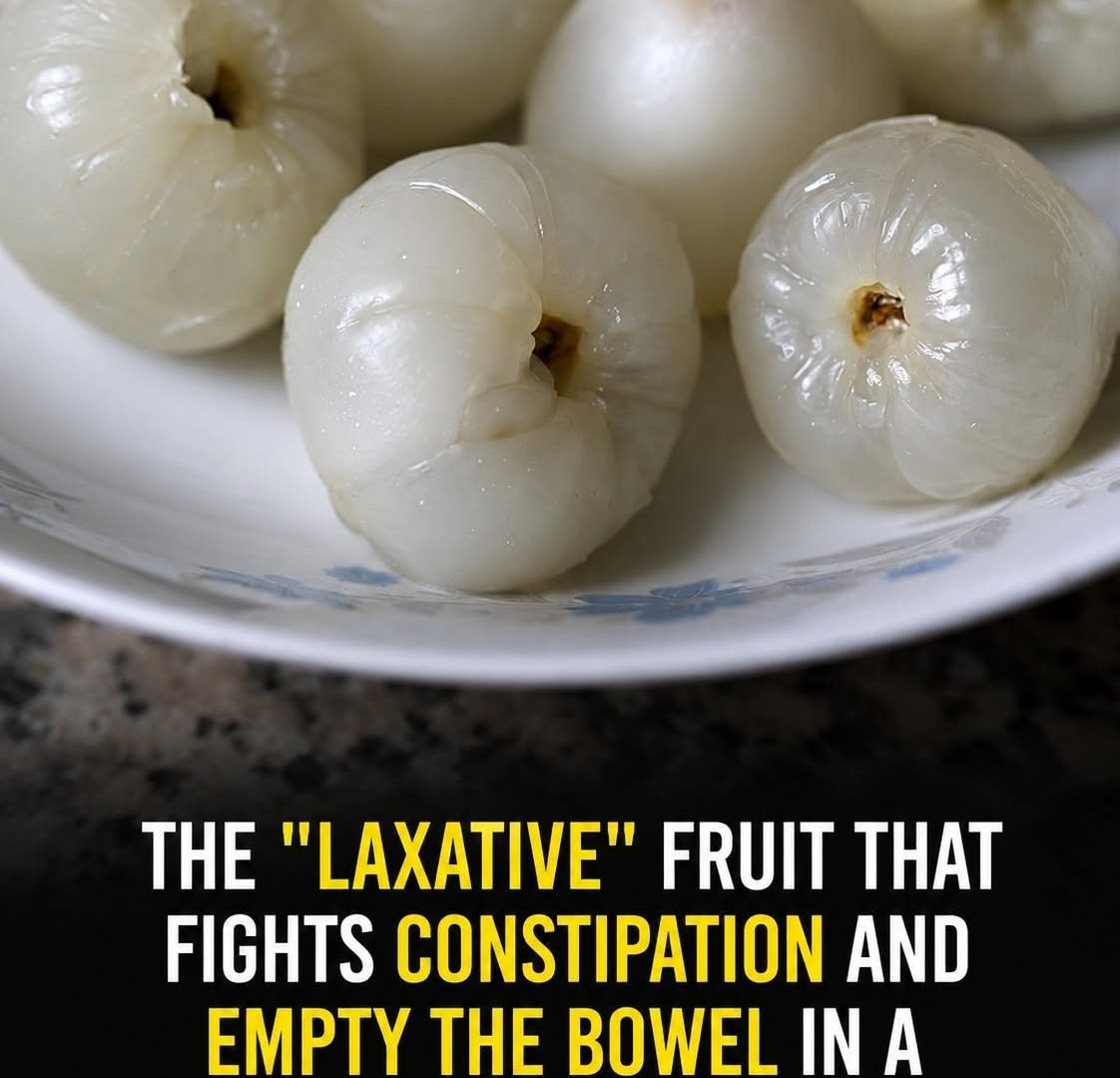
The image accompanying this topic shows what appears to be prunes or cooked dried plums, one of the foods most commonly associated with natural constipation relief.
However, it is important to understand that there is no single food that works as a powerful laxative for everyone. Your response depends on your diet, hydration, activity level, medications, digestive health, and the underlying cause of constipation.
Here are five foods that are particularly useful for supporting regular bowel movements.
1. Prunes
Prunes, also known as dried plums, are probably the most famous natural food for constipation.
They are useful because they contain fiber as well as sorbitol, a naturally occurring sugar alcohol that can have a stool-softening effect. The combination makes prunes particularly helpful for people who struggle with hard or infrequent stools.
Fiber helps add bulk to stool and supports normal movement through the digestive tract. Sorbitol can increase the amount of water available in the bowel, helping make stool softer.
Prunes can be eaten by themselves, added to oatmeal, blended into smoothies, or chopped into yogurt.
How many prunes should you eat?
You do not necessarily need a large quantity.
A small serving can be a reasonable place to start. Some people may notice an effect after several prunes, while others may need more. Eating too many at once can cause gas, bloating, abdominal discomfort, or diarrhea.
If you are not accustomed to eating much fiber, gradually increasing your intake is generally more comfortable than suddenly eating a large amount.
What about prune juice?
Prune juice is another popular option. Because it contains sorbitol and other compounds associated with bowel regularity, it can help some people.
However, juice generally provides less fiber than eating the whole fruit. If constipation is a recurring problem, whole prunes can be particularly useful because they provide both fiber and sorbitol.
2. Kiwi
Kiwi is another fruit that can be surprisingly effective for people dealing with constipation.
It contains fiber and a substantial amount of water, and research and clinical experience suggest that regular kiwi consumption can help improve stool frequency and consistency in some people.
One advantage of kiwi is that it can support bowel regularity without necessarily producing the intense cramping associated with some stimulant laxatives.
Kiwi can be eaten fresh, added to yogurt, mixed into oatmeal, or blended into a smoothie.
Why does kiwi help?
Its fiber contributes to stool bulk and digestive regularity. Kiwi also contains naturally occurring compounds that may influence intestinal movement.
Some people find that eating one or two kiwis regularly is enough to support a more comfortable bowel routine.
There is no need to consume large quantities. Eating too much fruit at once can produce bloating or loose stools, particularly in people with sensitive digestive systems.
3. Pears
Pears are another excellent choice when constipation is the problem.
A medium pear with its skin provides a meaningful amount of fiber. Pears also naturally contain sorbitol, making them useful for people looking for food-based ways to encourage softer stools.
The skin is particularly valuable because much of the fruit’s fiber is concentrated around the skin and outer flesh.
How to eat pears for constipation
Wash the pear thoroughly and eat it with the skin when possible.
You can enjoy a pear:
As a simple snack
With oatmeal
Chopped into yogurt
Added to a fruit salad
Blended into a smoothie
Sliced over whole-grain cereal
If you are increasing your fiber intake, remember to increase it gradually. Suddenly consuming large amounts of fiber can cause gas and bloating.
Pears are also naturally sweet, making them an easy replacement for highly processed desserts when you want something satisfying.
4. Figs
Figs, particularly dried figs, can also support bowel regularity.
They contain dietary fiber, and dried figs are much more concentrated than fresh figs because the water has been removed.
Fiber helps increase stool bulk and can make bowel movements easier when consumed with adequate fluids.
Dried figs can be eaten as a snack or added to oatmeal, yogurt, cereal, or homemade energy bites.
Dried versus fresh figs
Fresh figs contain more water and are lighter in calories by weight, while dried figs contain concentrated amounts of nutrients and fiber.
Because dried fruit is concentrated, however, it is easy to eat a large amount without realizing it.
A small serving is usually enough to start.
Eating too much dried fruit may cause gas, bloating, abdominal discomfort, or diarrhea.
5. Apples
Apples are another simple food that can help support a healthy digestive system.
An apple eaten with its skin provides dietary fiber. Apples also contain naturally occurring sorbitol, although the amount varies depending on the variety and serving.
The fiber in apples can help contribute to softer, bulkier stools and regular bowel movements.
The importance of the skin
If you tolerate apple skin well, eating the entire apple rather than peeling it can provide more fiber.
Wash the apple thoroughly before eating it.
Apples are also convenient because they require little preparation. Keeping fresh apples available can make it easier to choose a fiber-rich snack instead of highly processed foods that contain little fiber.