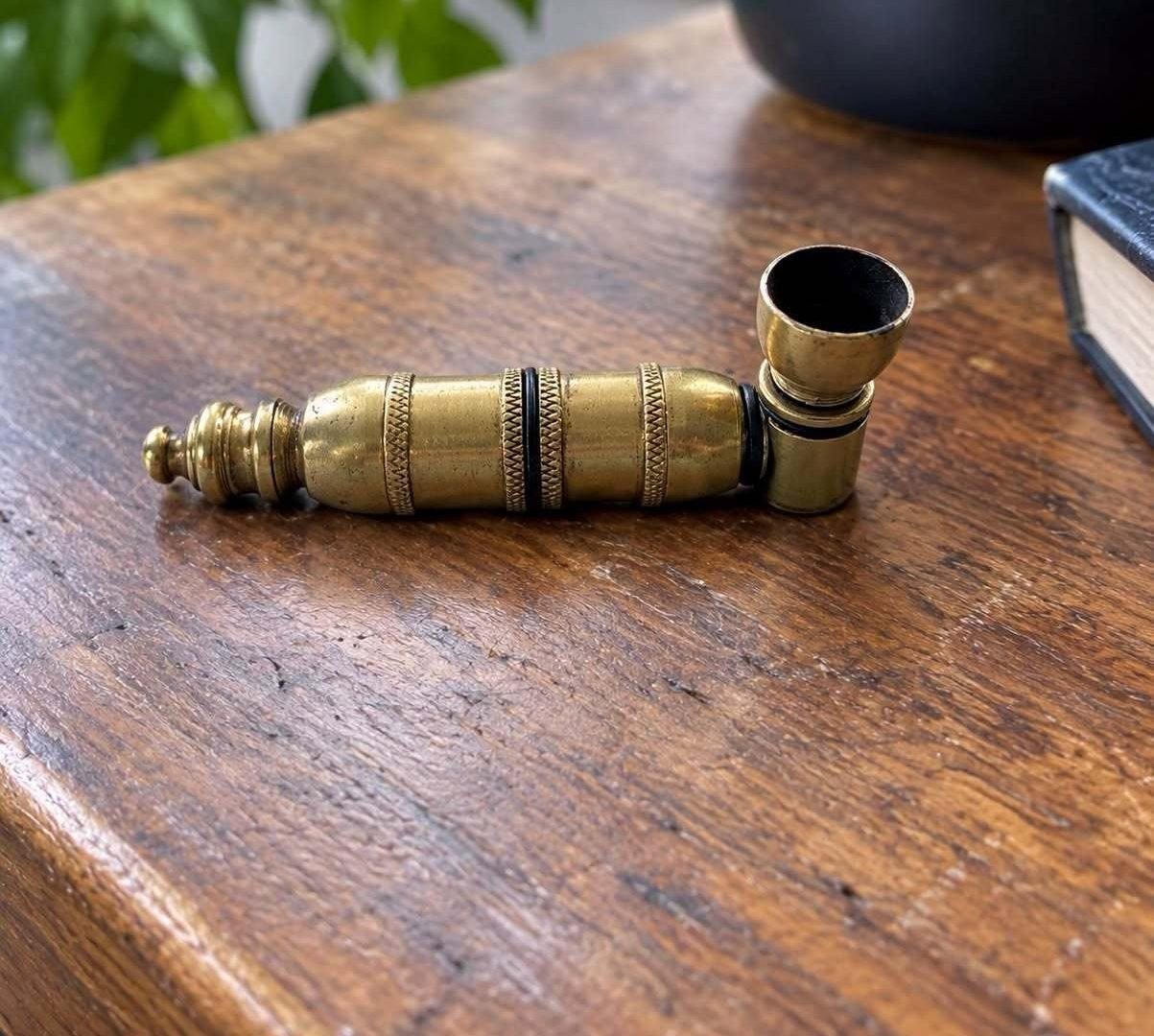
Those unanswered questions are part of the charm of vintage household objects.
The Era of Simple Kitchen Gadgets
Older kitchens often contained tools that were remarkably specialized.
There were devices for peeling, slicing, chopping, pressing, shaping, grinding, and portioning.
Many of them were manually operated.
The philosophy was straightforward:
If a task is repeated often enough, someone will eventually invent a tool to make it easier.
The meatball maker fits perfectly into that philosophy.
It didn’t need to replace the cook.
It simply made one repetitive part of cooking easier.
Could It Be Used for Other Foods?
Depending on the particular design, a shaping or portioning tool may sometimes be useful for foods other than meatballs.
Similar tools can be used for foods that benefit from consistent portions, such as falafel, certain appetizers, dumpling fillings, or other mixtures.
However, the exact tool matters.
A utensil specifically designed for raw meat shouldn’t automatically be assumed to be suitable for every type of food. Its size, shape, materials, and cleaning requirements all matter.
The safest approach is to understand what the particular utensil was designed for before experimenting with it.
What Made It Useful for Families?
Large family meals were an ideal situation for a tool like this.
Imagine a household preparing a large pot of sauce and a huge batch of meatballs for several people.
Instead of standing at the counter rolling each portion individually, the cook could use the shaping tool repeatedly.
The time saved on one meatball might be tiny.
But multiply that by 30, 40, or 50 portions, and the convenience becomes much more noticeable.
That’s a common feature of good kitchen design.
The tool doesn’t necessarily save a huge amount of time on one operation.
It saves small amounts of effort over and over again.
Why Younger People May Never Have Seen One
Modern kitchens have changed considerably.
Many people now rely on food processors, electric mixers, air fryers, microwaves, pre-portioned foods, and countless modern kitchen accessories.
Some older tools simply disappeared from everyday use.
And once a tool stops being commonly used, the next generation may have no idea what it was for.
That’s why an old utensil can become a mystery.
Someone who grew up seeing a meatball maker in their family’s kitchen might immediately recognize it.
Someone who has never encountered one could look at the same object and have absolutely no idea what it does.
Neither reaction is surprising.
Kitchen technology changes, and everyday objects disappear from common memory.
Vintage Doesn’t Automatically Mean Better
It’s tempting to romanticize everything from the past.
Older kitchen gadgets certainly have character, but vintage doesn’t automatically mean superior.
A modern meatball scoop may be easier to clean, lighter, more ergonomic, or made from materials specifically designed for contemporary food preparation.
Likewise, an old metal utensil may have corrosion, damaged components, or a surface that has deteriorated over time.
The value of a vintage tool isn’t necessarily that it is better than a modern one.
Its value may simply be that it represents a particular period of household design and cooking culture.
Found One in an Old Kitchen?
If you discover a vintage meatball maker in a drawer, attic, thrift store, or inherited kitchen collection, take a moment to inspect it before using it.
Check the entire utensil carefully.
Look for:
Significant rust
Cracks
Sharp damaged edges
Loose hinges
Broken handles
Peeling coatings
Deteriorated materials
Areas that are difficult to clean
Anything that comes into contact with food should be in appropriate condition.
If the utensil is heavily corroded or its food-contact surface has deteriorated, it may be better kept as a collectible or decorative object rather than returned to active kitchen use.