Doctor Discovers Telltale Sign in Your Nails That Could Predict Your Life Expectancy
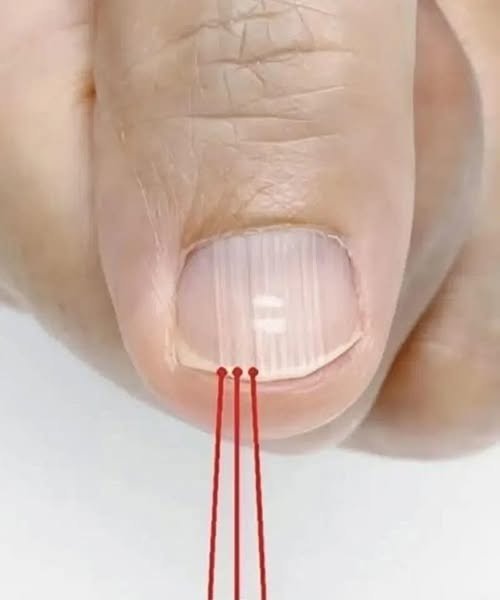
Have you noticed thin vertical lines appearing on your fingernails as you’ve gotten older? If so, you’re not alone. Many people start to notice these changes after the age of 40, and while they’re usually harmless, they can sometimes be a gentle signal from your body that something deeper is going on.
So, what causes these vertical ridges, and when should you pay a little more attention?
Understanding Vertical Nail Ridges
Vertical ridges on the nails—also known as longitudinal striations—are raised lines that run from the cuticle to the tip of the nail. They can vary in depth and number and often become more visible as we age.
For most people, these ridges are simply a normal part of the aging process. Just like skin loses elasticity and hair turns gray, nails also go through structural changes over time. The production of keratin—the protein that forms nails—can slow down or become uneven, leading to changes in nail texture.
Main Causes After Age 40
Natural Aging Process
The most common reason for vertical ridges is simply getting older. As we age, the body’s ability to renew skin cells slows down. This also affects the nail matrix cells (the base of the nail), causing them to produce keratin unevenly and resulting in ridges.
Dehydration of the Nail
Aging skin tends to be drier, and the same goes for nails. A lack of moisture can make the nail plate more brittle and emphasize natural ridges. Regular exposure to water, soap, and cleaning products can worsen this dryness.
Nutritional Factors
Sometimes, ridges can be a sign that your body is asking for more support—particularly nutrients like biotin, iron, or zinc. A varied, balanced diet can go a long way in keeping nails strong and smooth.
When to Pay Attention
When to Pay Attention
In most cases, vertical ridges are nothing to worry about. However, if you notice any of the following, it may be worth mentioning to your healthcare provider:
Deep ridges accompanied by discoloration
Nails that become brittle, crack, or split easily
Ridges that appear suddenly alongside other symptoms like fatigue or weight changes
Your nails can offer quiet clues about your overall health. They’re not a diagnosis, but they can be a helpful conversation starter with your doctor.
How to Support Healthy Nails
If you’d like to give your nails some extra care, here are a few gentle habits to consider:
Stay hydrated – Drinking enough water supports skin and nail health.
Eat a balanced diet – Include foods rich in biotin, iron, and omega-3s.
Moisturize your nails – Apply a nourishing oil or cream to your cuticles and nail plates.
Wear gloves when cleaning – Protect your nails from harsh chemicals.
Final Thoughts
Vertical ridges on your nails are often just a natural part of growing older. But they can also be a quiet reminder to check in with your body—how are you eating, sleeping, and managing stress?
Your nails are small, but they can speak volumes. Listening to what they have to say is one small way to care for your overall well-being.
Healthy nails often start from the inside out—nourish your body, and it will show.