If you have these lines on your nails after 40, it is a clear sign that..
Have you ever looked closely at your fingernails and noticed lines, ridges, or changes in their texture that weren’t there before? After the age of 40, these changes can become more noticeable, and while many are completely harmless, some may be worth discussing with a healthcare professional.
Your nails are constantly growing and changing. Their appearance can be influenced by age, everyday habits, injuries, nutritional status, medications, and certain health conditions. That doesn’t mean every unusual line is a warning sign—but paying attention to persistent or significant changes can be useful.
What Do Lines on the Nails Actually Mean?
“Nail lines” can refer to several different patterns.
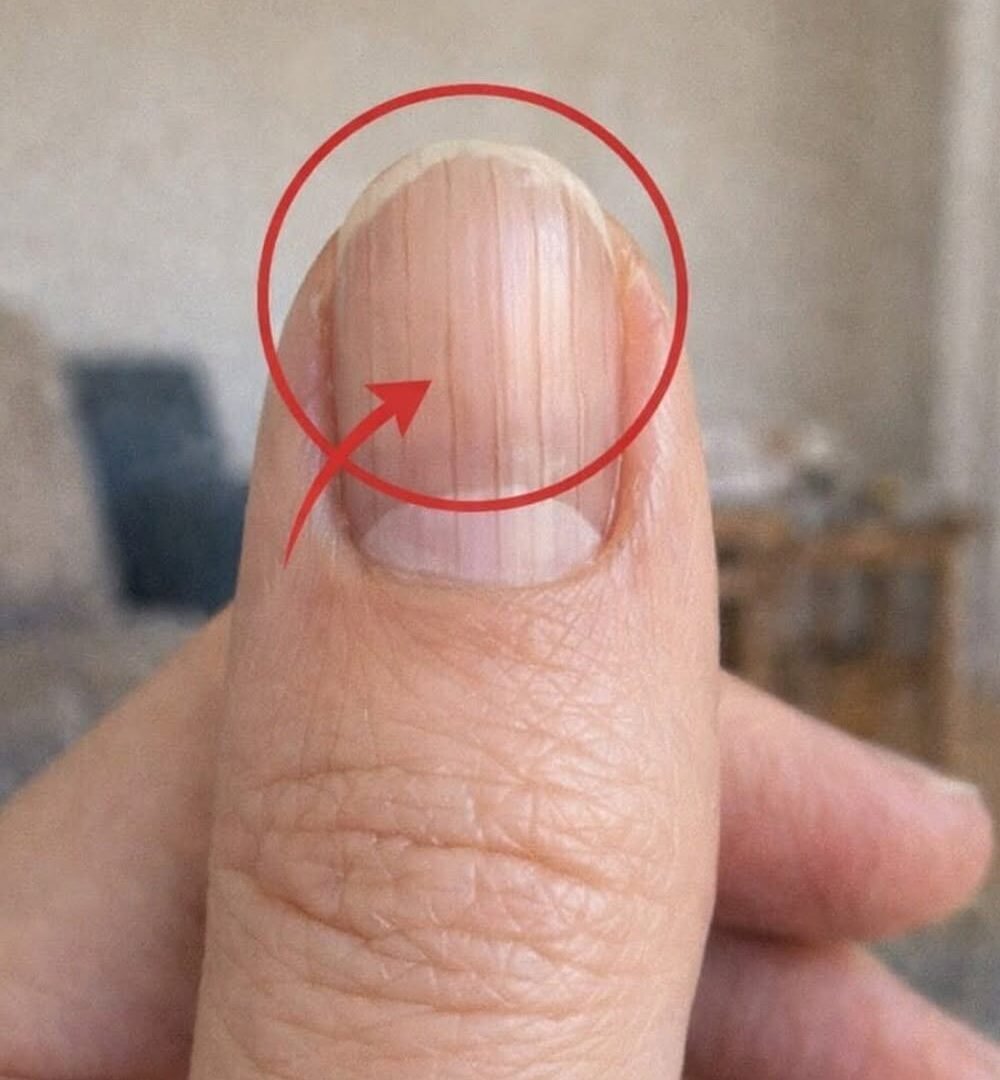
Some lines run from the base of the nail toward the tip. These are called vertical ridges and are extremely common, particularly as people get older. They can become more prominent with age and, by themselves, are usually not a reason for alarm.
Other lines run across the width of the nail. These are known as horizontal ridges or transverse grooves. They can occur when nail growth is temporarily interrupted or slowed.
Understanding the direction, color, depth, and number of lines is more useful than simply noticing that a line exists.
Vertical Ridges: Often a Normal Part of Aging
Vertical ridges are probably the most common type of nail line.
They extend from the cuticle toward the end of the nail and may become more noticeable with age. For many people, they are simply part of normal changes in the nail.
Dry nails and repeated exposure to water, soaps, detergents, or other irritants can also make ridges appear more prominent.
If the ridges are mild, symmetrical, and have developed gradually without other unusual changes, they are generally less concerning.
However, a sudden or dramatic change in the appearance of several nails deserves more attention.
Horizontal Lines Can Have Different Causes
Horizontal grooves are different.
They can sometimes develop when nail growth is temporarily disrupted. A significant illness, high fever, major physical stress, injury, or certain treatments can interfere with normal nail growth.
These lines may appear weeks or months after the event that affected nail growth, meaning the nail itself can sometimes provide a delayed clue that something happened earlier.
This is one reason healthcare professionals may ask whether you experienced a significant illness, injury, or major health event several months before noticing a change.
A Dark Line Is Different From a Ridge
One important distinction is the difference between a ridge or groove and a dark-colored line.
A dark brown or black band running along the nail can have several possible explanations. Sometimes it results from pigmentation or minor trauma, and in some people, darker nail pigmentation can be completely benign.
However, a new dark band—particularly one affecting only one nail—should not automatically be dismissed.
This does not mean that every dark nail streak is melanoma. In fact, there are many benign explanations. But a new, changing, widening, or irregular dark streak is something that should be assessed by a medical professional.
When Should You Pay Closer Attention?
The overall pattern matters.
A nail change deserves more attention if it:
Appears suddenly
Continues to change over time
Becomes wider or darker
Affects only one nail
Is accompanied by pain or swelling
Causes the nail to lift or separate
Changes the surrounding skin
Appears alongside other unexplained symptoms
These signs don’t necessarily mean something serious is happening. They simply provide a good reason to have the change properly evaluated rather than trying to diagnose it yourself.
Could Nutrition Affect Your Nails?
Nails require adequate nutrients to grow normally, and nutritional deficiencies can sometimes affect their appearance.
Low levels of certain nutrients, including iron, can be associated with nail changes in some people. However, it is important not to assume that a particular nail ridge automatically means you have a vitamin or mineral deficiency.
Taking supplements without knowing whether you actually have a deficiency is not always helpful and, in some cases, excessive supplementation can cause problems.
If you have persistent nail changes along with symptoms such as unusual tiredness, weakness, changes in appetite, or other unexplained symptoms, discussing them with a healthcare professional may be more useful than simply taking a supplement.
Nail Changes Can Also Come From Everyday Habits
Not every nail change comes from inside the body.
Frequent hand washing, cleaning products, nail polish, artificial nails, manicures, biting, picking, and repeated minor trauma can all affect the appearance and strength of nails.
For example, repeatedly pushing back or damaging the cuticle can interfere with normal nail growth. Aggressive filing or frequent exposure to harsh chemicals may also make nails appear dry or uneven.
Giving your nails a break from irritating products and keeping the surrounding skin moisturized may help when the problem is related to dryness or mechanical irritation.
Don’t Ignore Changes That Affect Several Nails
When similar changes appear across multiple nails, the explanation may be different from a problem affecting only one nail.
Several nails developing ridges or changes around the same time can sometimes reflect a systemic factor, medication effect, nutritional issue, or a temporary interruption in nail growth.
Again, this does not automatically indicate disease. The pattern simply gives a healthcare professional more information to work with.
What About Brittle or Splitting Nails?
Lines aren’t the only nail change worth noticing.
After 40, some people also notice that their nails become thinner, more brittle, or more likely to split. Aging itself can contribute to changes in nail growth and texture.
Environmental exposure can make this worse. Frequent contact with water, detergents, solvents, or other irritating substances can weaken the nail structure.
If brittleness is severe, persistent, or accompanied by other changes in your nails or overall health, it is worth discussing with a healthcare professional.
A Simple Way to Monitor Your Nails
You don’t need to examine your nails obsessively.
Simply make it a habit to notice major changes when trimming your nails or washing your hands.
Look for changes in:
Color: Has a new dark or unusual area appeared?
Texture: Are the nails suddenly rougher, thinner, or more brittle?
Shape: Has the nail become unusually curved or distorted?
Lines: Are there new grooves, ridges, or bands?
Surrounding skin: Is there redness, swelling, bleeding, or another persistent change?
Taking an occasional photograph can also help you notice whether a change is actually progressing over time.
When Should You See a Doctor or Dermatologist?
A persistent or unexplained nail change is worth discussing with a healthcare professional, particularly if it continues to worsen.
You should be especially cautious about a new dark streak, a changing mark, bleeding, pain, swelling, or a nail that begins to separate from the surrounding tissue.
A dermatologist can examine the nail closely and determine whether further testing is necessary.
The important point is not to panic—but also not to ignore a significant change simply because it appears on a fingernail.
The Bottom Line
Lines on your nails are common, especially as you get older, and most nail ridges are not a sign of a serious health problem.
Vertical ridges that develop gradually are often associated with normal aging, while horizontal grooves may sometimes reflect a temporary interruption in nail growth.
However, the appearance of a new, changing, or unusual line—particularly a dark streak on a single nail—deserves closer attention.
Your nails cannot diagnose your health on their own, but they can sometimes provide useful clues. The best approach is to observe changes, avoid jumping to conclusions, and seek professional advice when something looks unusual or continues to change.
A line on your nail may be nothing to worry about—but if it is new, changing, or accompanied by other symptoms, it’s worth finding out why.