Here is a detailed, medically responsible article based on the headline, ready to copy and publish.
Benign paroxysmal positional vertigo, commonly abbreviated as BPPV, is one of the most frequent causes of vertigo.
The name describes several features of the condition:
Benign: It is generally not life-threatening, although the dizziness can increase the risk of falls.
Paroxysmal: Symptoms occur in sudden episodes.
Positional: Particular head movements trigger the symptoms.
Vertigo: The person experiences a false sensation of spinning or movement.
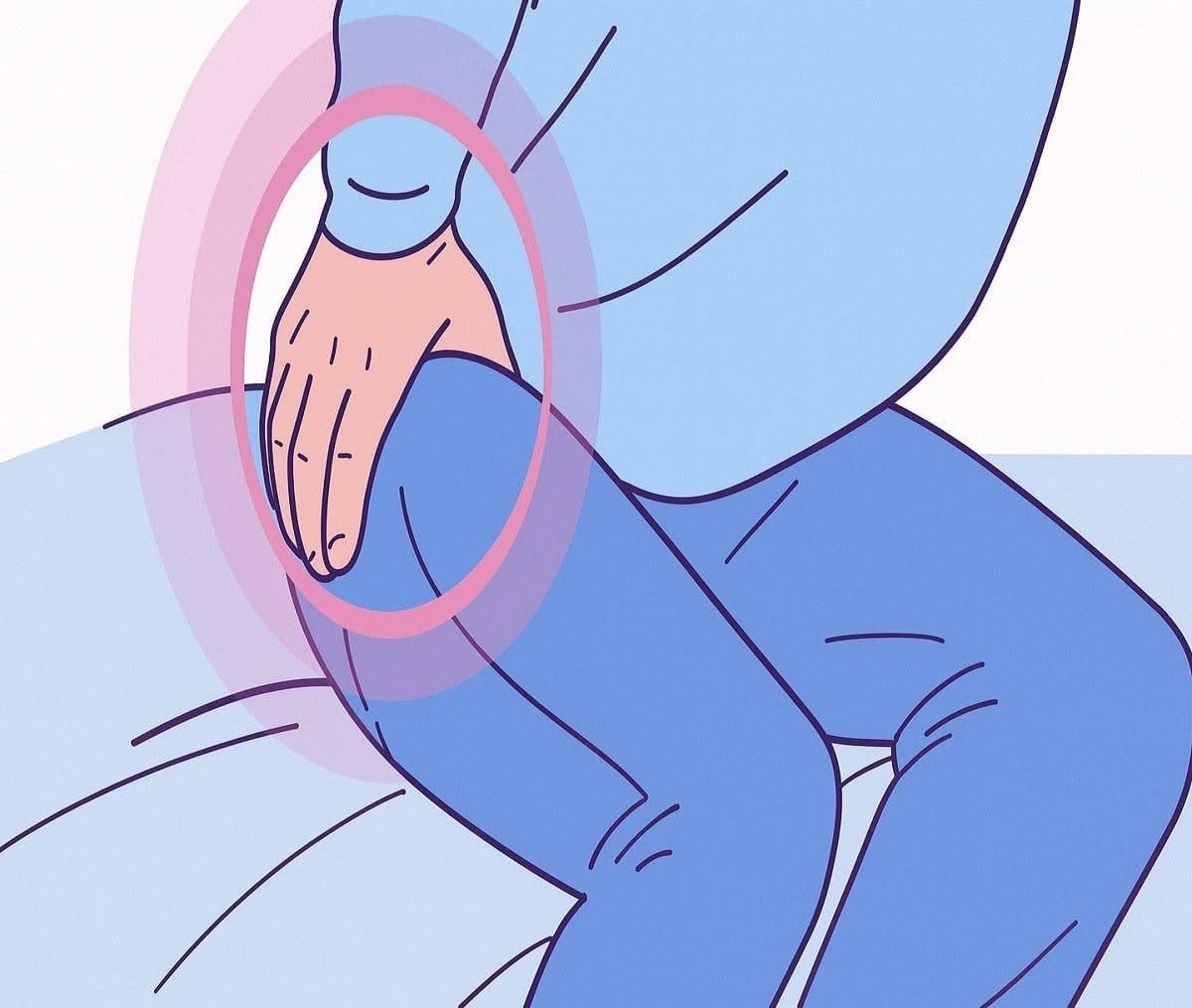
BPPV often causes dizziness when a person rolls over in bed, lies down, sits up, bends forward, looks upward, or turns the head quickly.
Episodes commonly last less than a minute, although nausea, imbalance, and a lingering sense of unsteadiness may continue afterward.
The condition can affect adults of different ages but becomes more common with increasing age. It may occur without an identifiable cause, following a head injury, or after certain inner ear conditions.
Importantly, not every type of dizziness is caused by displaced inner ear crystals. A correct diagnosis matters because treatments that help BPPV may not help other causes of vertigo.
3. Common Symptoms of BPPV
Symptoms vary from person to person, but several features are particularly characteristic of BPPV.
A spinning sensation
The most recognizable symptom is a sudden feeling that the room is rotating or that the body is spinning. Some people experience this when turning over in bed or looking toward a high shelf.
Dizziness triggered by head movement
Symptoms often occur when the head changes position relative to gravity. Turning the head while sitting still may trigger an episode, depending on which inner ear canal is affected.
Brief episodes
The spinning sensation usually lasts seconds and commonly less than one minute after a triggering movement. Longer-lasting dizziness may occur for other reasons or alongside BPPV.
Nausea
Intense vertigo can cause nausea and, occasionally, vomiting. This happens because the brain receives conflicting information about movement from the inner ear, eyes, and other sensory systems.
Unsteadiness
Some people feel slightly off balance after the spinning stops. They may be reluctant to walk, bend down, or move their head normally because they fear triggering another episode.
Involuntary eye movements
During an episode, the eyes may move rhythmically in a pattern called nystagmus. A healthcare professional can examine these movements to help determine whether BPPV is present and which canal may be involved.
BPPV does not usually cause hearing loss, ringing in the ears, or persistent ear pain. If these symptoms accompany dizziness, another condition may need to be considered.
4. Can Inner Ear Crystals Be Dissolved Naturally?
The phrase “dissolve inner ear crystals” is common in online headlines, but it is misleading.
The particles responsible for BPPV are made primarily of calcium carbonate. There is no established drink, food, vitamin, supplement, or household ingredient that reliably dissolves displaced otoconia and cures BPPV.
Drinking lemon water, consuming vinegar, eating bananas, or taking calcium supplements has not been shown to reposition the particles responsible for this condition.
In fact, taking unnecessary supplements can sometimes be harmful, particularly for people with kidney disease or those who take medications that interact with supplements.
The usual treatment for BPPV is mechanical rather than dietary. Specific head and body movements use gravity to guide the displaced particles out of the affected semicircular canal.
These movements are known as canalith repositioning maneuvers.
A clinician may recommend a particular maneuver after identifying the affected ear and canal. In many cases, treatment can substantially reduce symptoms, sometimes after one session, although some people need repeated treatment.
A balanced diet and adequate hydration remain important for general health, but they should not be presented as a way to dissolve or remove inner ear crystals.
5. The Epley Maneuver: A Common Treatment for BPPV
The Epley maneuver is one of the best-known treatments for BPPV involving the posterior semicircular canal, which is the canal most frequently affected.
It involves a sequence of carefully controlled head and body positions designed to guide the displaced particles back toward the utricle.
A healthcare professional may perform the maneuver in a clinic. After confirming the diagnosis, the professional can also explain whether a home version is appropriate.
The correct technique depends on which ear is affected. Using the wrong sequence may fail to relieve the symptoms, and some forms of vertigo require different maneuvers.
During the procedure, a person may temporarily experience spinning, nausea, or involuntary eye movements. These reactions can occur because the maneuver deliberately changes the position of the particles.
The clinician may repeat the sequence if necessary and reassess the symptoms afterward.
Is it safe to do the Epley maneuver at home?
Some people with confirmed BPPV can safely perform a clinician-recommended home maneuver. However, it is not appropriate for everyone.
Extra caution is needed for people with significant neck or back problems, limited neck movement, certain vascular conditions, or difficulties getting onto and off a bed safely.
Older adults who are at risk of falling may benefit from having someone assist them or from receiving treatment in a clinical setting.
If dizziness is new, severe, unexplained, or accompanied by unusual symptoms, it is safer to seek medical assessment before attempting a repositioning maneuver.
The Epley maneuver is also not a universal treatment for every type of vertigo. It is most useful when the diagnosis and affected canal match the maneuver.
6. Other Repositioning Maneuvers
The Epley maneuver is not the only treatment available.
Depending on the location of the displaced particles, a healthcare professional may recommend another technique.
Semont maneuver
The Semont maneuver involves moving the body rapidly between specific side-lying positions. It may be used for certain cases of BPPV affecting the posterior canal.
Because it involves relatively quick movements, some people may find it uncomfortable. The clinician should determine whether it is suitable.
Lempert maneuver
The Lempert maneuver, sometimes called the barbecue roll, is used for certain forms of horizontal-canal BPPV.
It involves a sequence of body rotations intended to move the particles through the affected canal.
Gufoni maneuver
The Gufoni maneuver is another technique used for some forms of horizontal-canal BPPV. The appropriate version depends on the specific pattern identified during examination.
These treatments demonstrate why an accurate diagnosis matters. A maneuver that works well for one type of BPPV may not be effective for another.
7. What Can You Do During a Vertigo Episode?
When a spinning sensation begins, the immediate priority is to prevent falls and injuries.
Stop what you are doing. Sit or lie down as soon as possible. Avoid trying to walk through a severe episode.
Keep your head still. Sudden head movements can intensify BPPV symptoms. Move slowly until the spinning settles.
Focus on safety. If you need to stand, do so gradually and hold a stable support if necessary. Ask someone for help if you feel unsteady.
Avoid driving. Do not drive, cycle in traffic, climb ladders, or operate machinery while dizzy or until you are confident that the symptoms have resolved and it is safe to resume these activities.
Reduce fall hazards. Keep walkways clear, use adequate lighting, and be particularly careful when getting out of bed at night.
Drink fluids normally. Dehydration can contribute to lightheadedness and may worsen how you feel, although hydration does not reposition displaced inner ear crystals.
If episodes are recurrent, severe, or interfering with daily activities, arrange a medical evaluation rather than repeatedly attempting to manage them without knowing the cause.