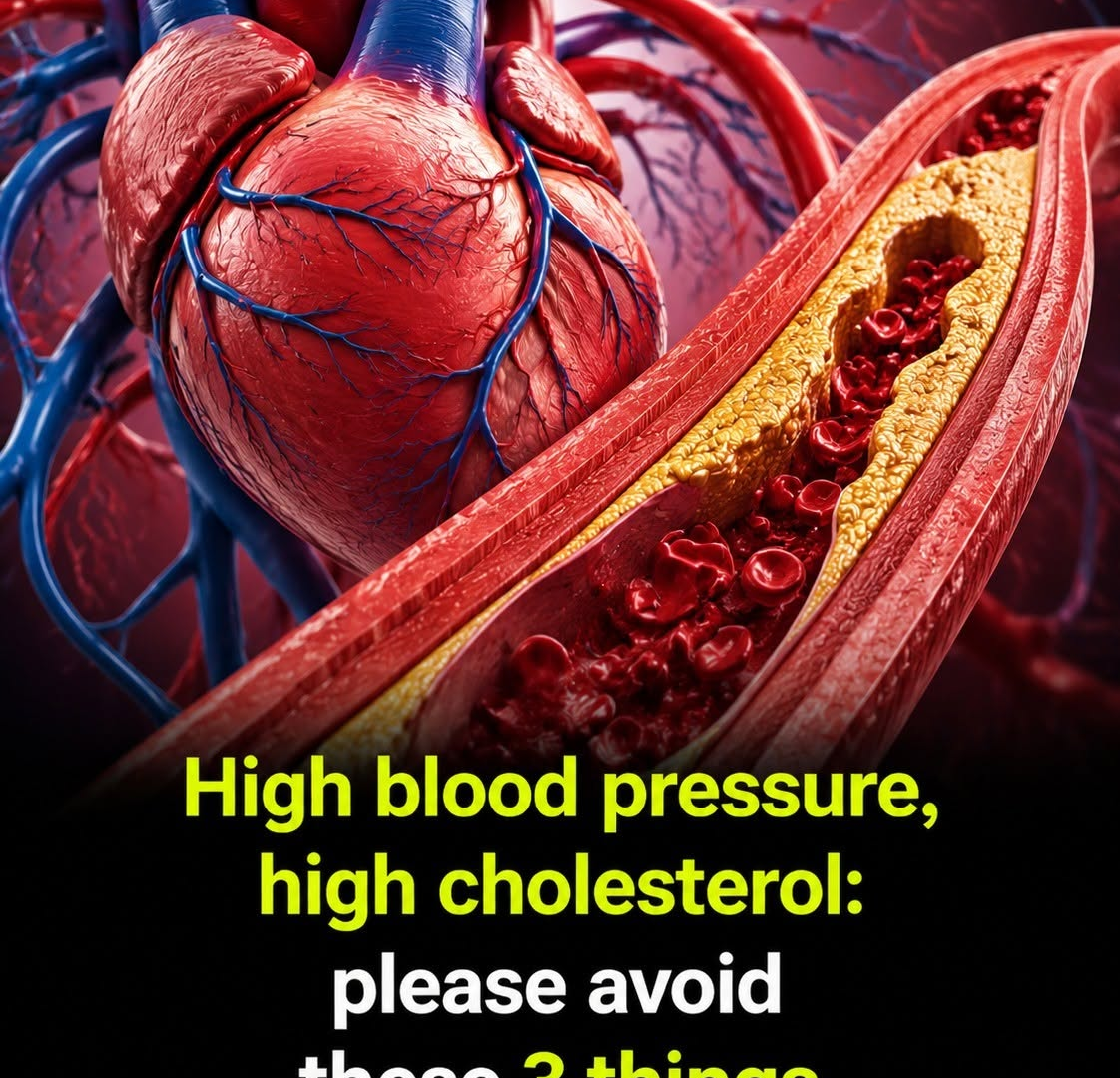
High Blood Pressure and High Cholesterol: 3 Morning Habits You Should Avoid for Better Heart Health
Smoking increases heart rate and blood pressure in the short term and damages blood vessels.
It also increases cardiovascular risk independently of cholesterol levels.
Avoiding tobacco is one of the most important steps you can take to protect your heart.
Quitting smoking provides substantial health benefits, even if you have smoked for many years.
Ignoring Physical Activity
Regular physical activity supports cardiovascular health, helps with blood pressure management, and can improve aspects of the blood lipid profile.
You do not have to complete an intense workout every morning to benefit.
A brisk walk, cycling, swimming, or another activity suited to your abilities can contribute to your weekly exercise total.
People who have been inactive or have significant cardiovascular disease should seek individualized advice before beginning vigorous exercise.
How to Measure Your Blood Pressure Correctly in the Morning
Home blood pressure monitoring can help you and your healthcare professional understand how well your treatment is working.
However, inaccurate measurements can produce misleading results.
Follow these steps:
Use a validated automatic upper-arm blood pressure monitor with the correct cuff size.
Avoid caffeine, smoking, and exercise for at least 30 minutes before measuring.
Empty your bladder.
Sit quietly for five minutes before taking a reading.
Keep your back supported and both feet flat on the floor.
Rest your arm on a surface so that the cuff is approximately level with your heart.
Take two readings about one minute apart.
Record the results and follow your healthcare professional’s monitoring instructions.
If you measure your blood pressure in the morning, try to do so at a consistent time, often before breakfast and before taking blood pressure medication, provided your clinician has recommended that schedule.
Do not delay or skip medication just to obtain a reading.
One high reading does not necessarily mean that your blood pressure is consistently uncontrolled. A series of properly taken measurements provides more useful information.
Which Foods Help Lower Cholesterol?
Dietary changes can make a meaningful difference, particularly when they replace foods rich in saturated fat with foods containing unsaturated fats and soluble fiber.
Consider including the following foods regularly.
Oats and Barley
Both contain beta-glucan, a soluble fiber that can help lower LDL cholesterol.
Beans and Lentils
These provide soluble fiber and plant protein while helping replace some foods higher in saturated fat.
Nuts
Walnuts, almonds, and other unsalted nuts provide unsaturated fats and useful nutrients.
Because nuts are calorie-dense, portion size still matters.
Olive Oil
Olive oil contains predominantly monounsaturated fat and can replace butter or other sources of saturated fat in many meals.
Fruits and Vegetables
These provide fiber, vitamins, minerals, and other beneficial plant compounds.
Eating a wide variety is more useful than relying on a single supposedly powerful fruit or vegetable.
Fish
Fish provides protein, and oily varieties such as sardines, salmon, and mackerel contain omega-3 fatty acids.
Omega-3 fats can help lower triglycerides, although the effect on LDL cholesterol varies.
Diet can improve cholesterol levels, but some people have inherited high cholesterol or other risk factors that require medication even when they eat well.
Can You Have High Blood Pressure and High Cholesterol Without Symptoms?
Yes.
High blood pressure frequently causes no noticeable symptoms, even when it is significantly elevated.
High LDL cholesterol also generally cannot be detected by how you feel.
A person may feel energetic and healthy while having both conditions.
This is why regular blood pressure checks and appropriate cholesterol testing are important.
Depending on your age, medical history, family history, and other risk factors, your healthcare professional may recommend different screening intervals and treatment targets.
Do not rely on headaches, dizziness, fatigue, or other nonspecific symptoms to determine whether your blood pressure or cholesterol is high.
When Is High Blood Pressure an Emergency?
Very high blood pressure can sometimes indicate a medical emergency, particularly when accompanied by symptoms suggesting damage to the brain, heart, or other organs.
If your blood pressure is higher than 180/120 mmHg, wait at least one minute and measure it again.
If it remains that high and you have chest pain, shortness of breath, weakness, numbness, difficulty speaking, a change in vision, or another new and concerning symptom, seek emergency medical care immediately.
Do not wait for the blood pressure to decrease on its own.
If the repeat reading remains above 180/120 mmHg but you have no concerning symptoms, contact a healthcare professional promptly for guidance.
Do not attempt to rapidly lower your blood pressure by taking extra medication unless specifically instructed by a qualified clinician.
A Simple Morning Routine for Better Heart Health
You do not need an elaborate wellness program to make a positive difference.
A practical morning routine might look like this:
After waking: Drink water if you are thirsty and follow any fluid guidance given by your healthcare professional.
Before breakfast: Measure your blood pressure if you have been advised to monitor it at home.
At medication time: Take prescribed medicines according to your treatment plan.
At breakfast: Choose a meal containing fiber and nutritious foods while limiting excessive sodium and saturated fat.
During the morning: Avoid smoking, moderate your caffeine intake if necessary, and take opportunities to move your body.
Before beginning work: Give yourself a few minutes to organize your priorities and reduce unnecessary rushing.
These habits may seem small, but consistent routines can support long-term cardiovascular health.
Final Thoughts
High blood pressure and high cholesterol require attention, but managing them does not mean living in constant fear of everyday activities.
The three habits worth reconsidering each morning are eating a breakfast consistently high in sodium and saturated fat, consuming excessive caffeine or energy drinks when they affect your blood pressure, and neglecting prescribed treatment while allowing preventable stress to dominate your routine.
The impact of each habit depends on the individual, and not everyone needs to avoid the same foods or beverages.
Focus on a balanced diet, regular physical activity, tobacco avoidance, appropriate medication use, and accurate blood pressure monitoring.
Most importantly, remember that healthy habits complement medical treatment rather than automatically replacing it.
Protecting your heart is not about finding one magical morning trick. It is about making practical, sustainable choices and working with your healthcare professional to keep your blood pressure and cholesterol under control.