Homemade Natural Collagen: What Happens When You Mix Vitamin E With Vaseline?
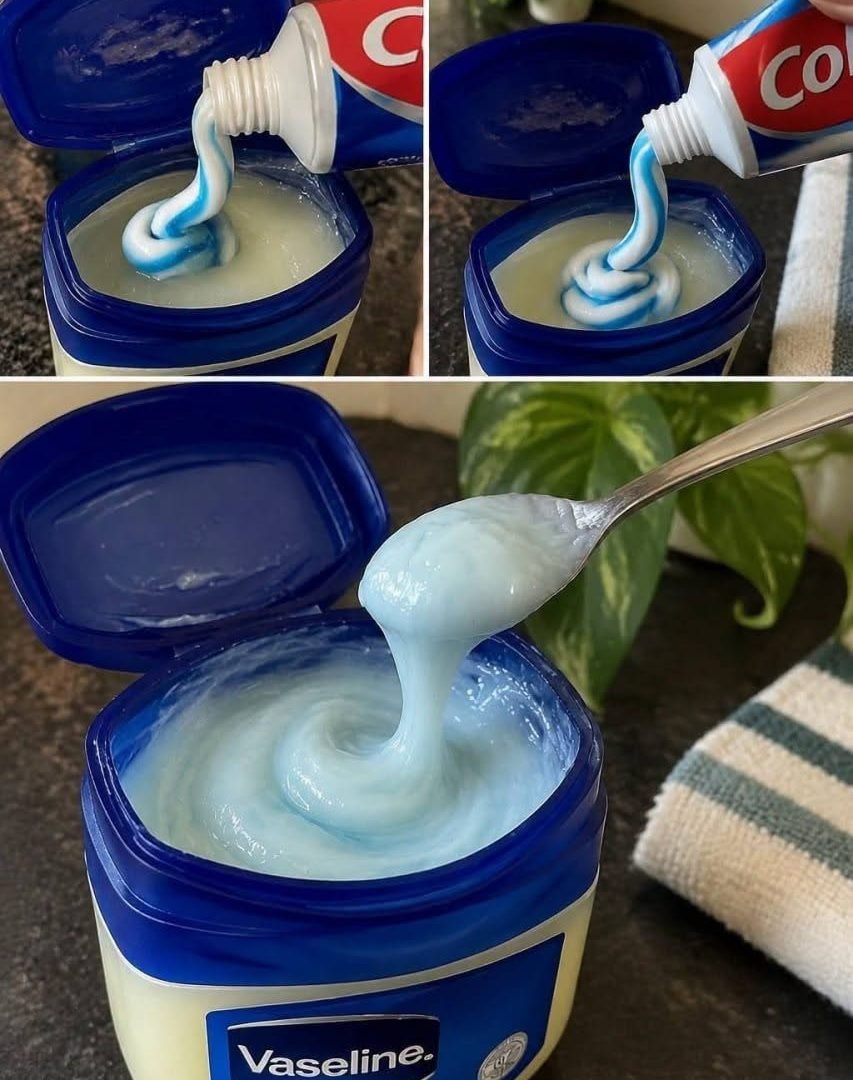
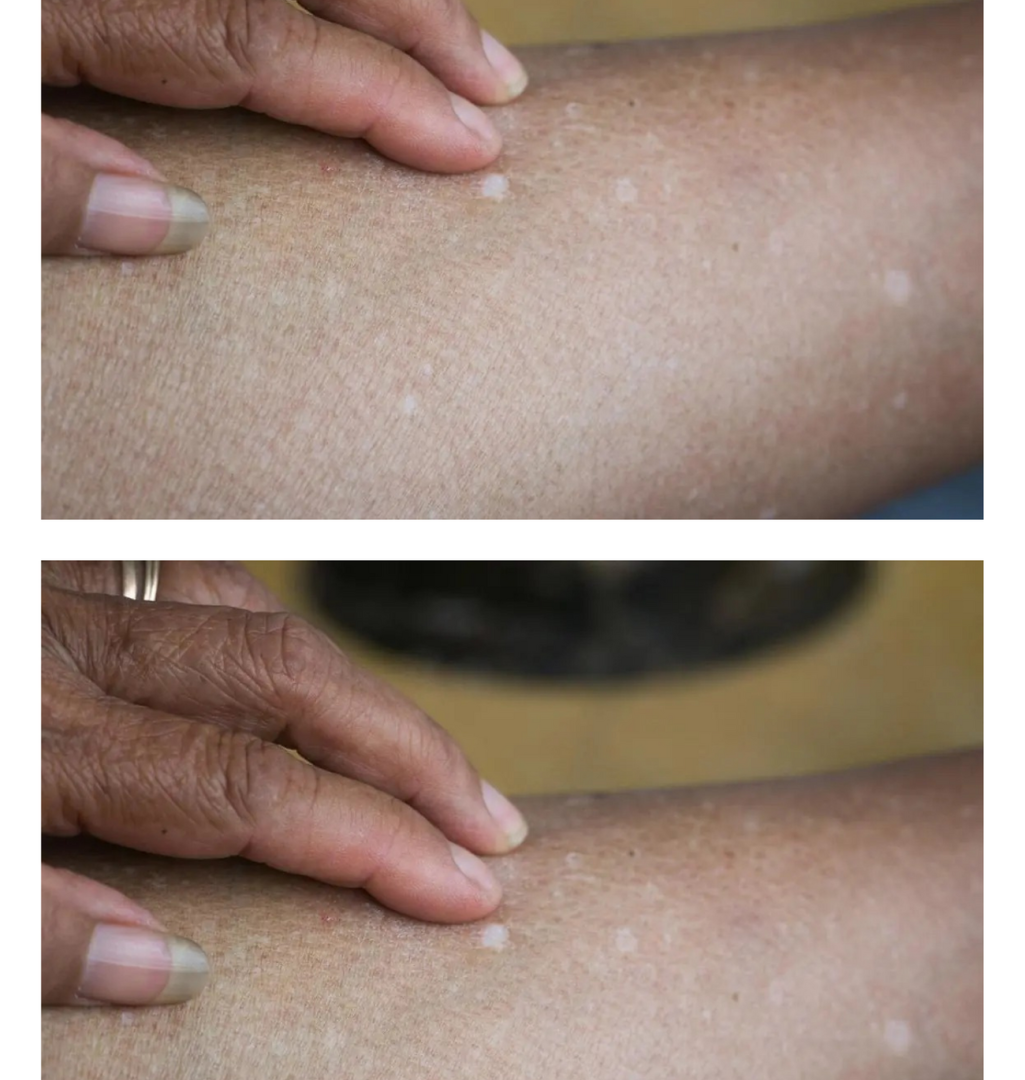
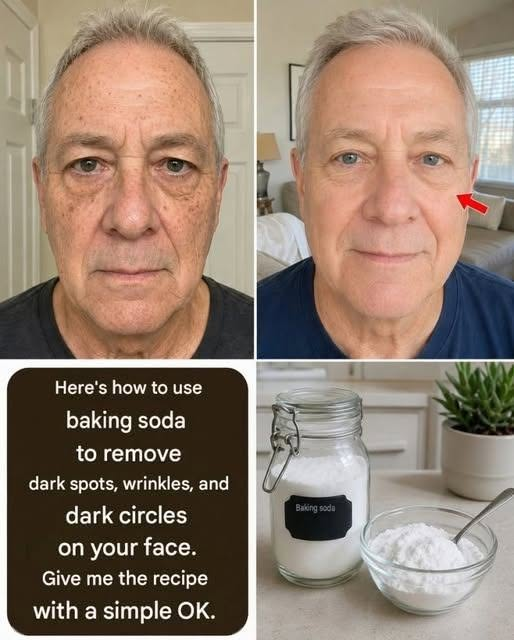
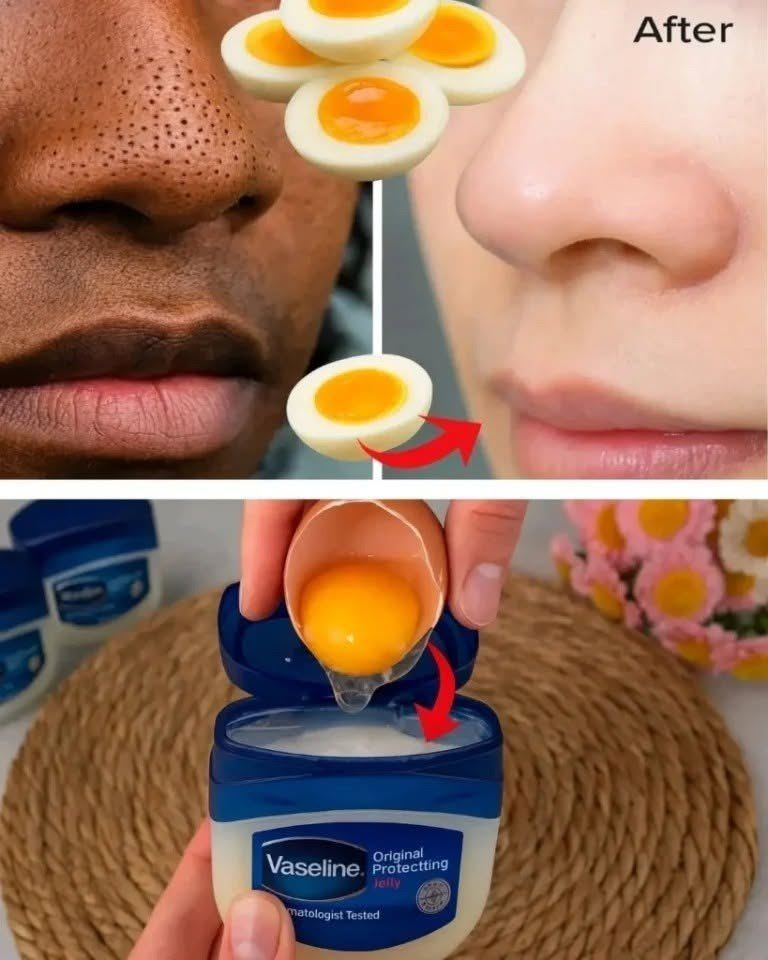
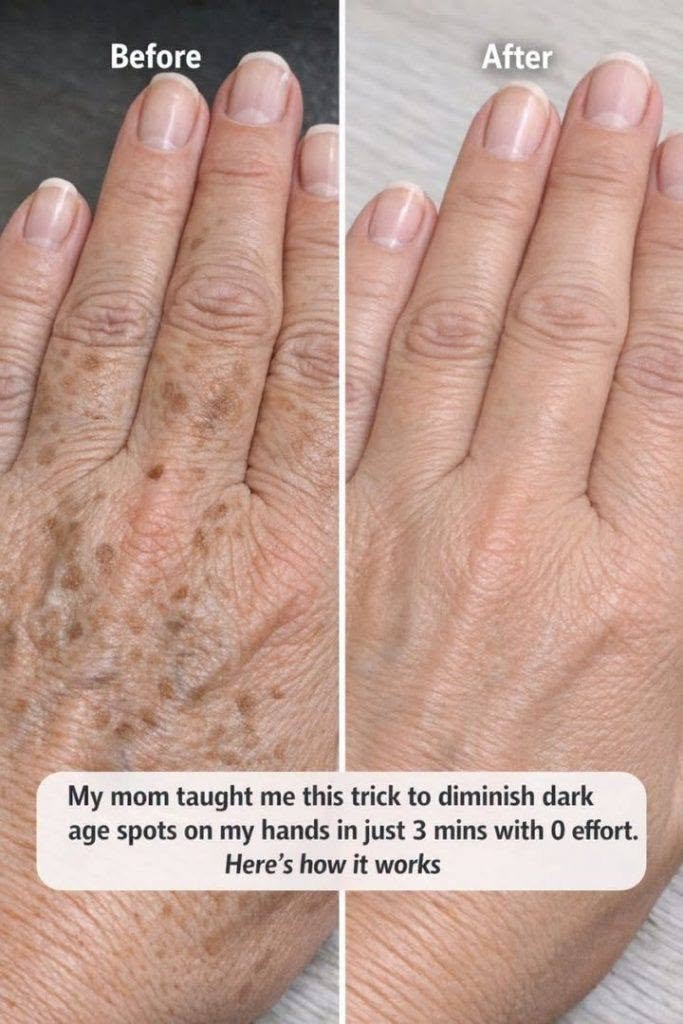
The image makes a dramatic promise: mix two simple ingredients with Vaseline and you will supposedly never need makeup again, while keeping your skin free of spots and wrinkles at any age.
That sounds appealing, especially because both petroleum jelly and vitamin E are familiar products that are commonly associated with skincare.
But there is an important distinction between a simple moisturizing treatment and a product that can actually create collagen, erase wrinkles, or remove pigmentation.
The mixture shown appears to involve Vaseline, or petroleum jelly, together with yellow vitamin E capsules. If that is what the image is referring to, the combination may act as an occlusive moisturizer, but it should not be described as homemade collagen.
Your skin can benefit from proper hydration and protection, but collagen production is a much more complicated biological process.
What Is Collagen?
Collagen is one of the major structural proteins in the human body.
It is found in:
Skin
Bones
Tendons
Ligaments
Cartilage
Blood vessels
Other connective tissues
In the skin, collagen helps provide structure, firmness, and support.
As people age, collagen production and the organization of the skin’s supporting structures change. Sun exposure, smoking, genetics, hormonal changes, and other environmental factors can also contribute to visible changes such as fine lines, loss of firmness, and uneven texture.
This is why the idea of putting something on the skin and calling it “homemade collagen” is misleading.
Petroleum jelly and vitamin E do not turn into collagen on the skin.
They may affect the skin’s surface and moisture barrier, but that is different from replacing lost collagen.
What Is Vaseline?
Vaseline is a common brand name associated with petroleum jelly.
Petroleum jelly is an occlusive substance.
That means it forms a protective layer over the skin and helps reduce water loss from the skin’s surface.
This is one reason petroleum jelly can be useful for dry or irritated skin.
When the skin loses too much water, it can become:
Dry
Rough
Flaky
Tight
More visibly lined
Applying an occlusive product can help keep moisture in.
This may make the skin look temporarily smoother and softer.
But smoother-looking skin caused by better hydration isn’t the same thing as rebuilding collagen.
What Does Vitamin E Do?
Vitamin E is a fat-soluble antioxidant that is important for normal body function.
Vitamin E is also widely used in skincare products.
Topical vitamin E can help moisturize the skin, particularly when it is incorporated into a properly formulated product.
However, the idea that rubbing vitamin E directly onto the face will dramatically rebuild collagen or erase wrinkles isn’t supported by the simple viral recipe shown in the image.
Some people also develop irritation or allergic contact dermatitis from topical vitamin E.
This is an important reason not to assume that a natural or familiar ingredient is automatically suitable for everyone.
Why Does the Mixture Sometimes Make Skin Look Better?
There is a reasonable explanation for why someone might see an immediate difference.
Petroleum jelly reduces water loss.
When the outer layer of the skin becomes better hydrated, fine lines can appear temporarily less noticeable.
The skin may look:
Smoother
Softer
More hydrated
Slightly more luminous
That visual improvement can be real.
But it doesn’t mean the mixture has created new collagen.
Think of it as improving the appearance and moisture level of the skin’s surface, rather than rebuilding the deeper structural layers.